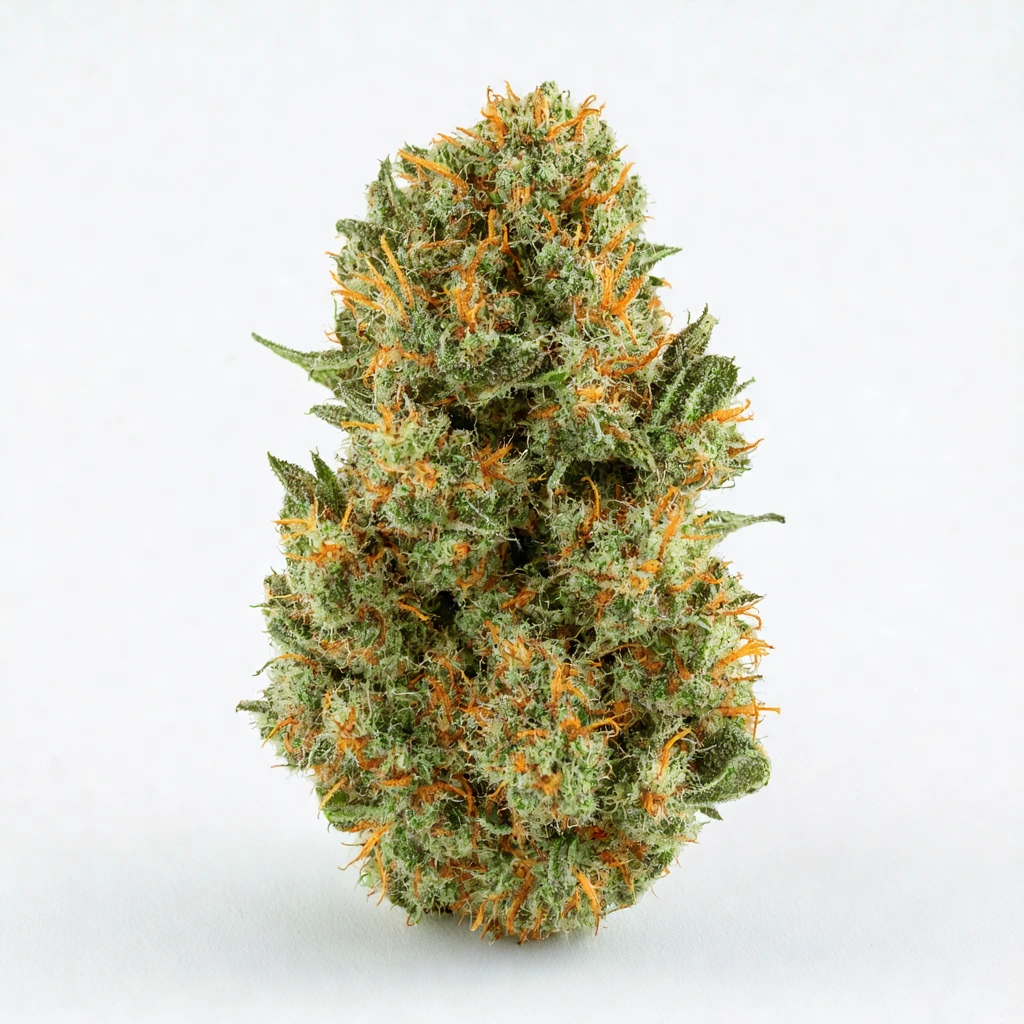
1995 Sensi Star Sativa
1995 Sensi Star Sativa
What is the 1995 Sensi Star Sativa strain?
1995 Sensi Star Sativa is a sativa cannabis strain, known for its euphoric effects and candy and citrus flavor profile.
1995 Sensi Star Sativa is a rare sativa-dominant version developed by Riot Seeds, representing a departure from the more famous indica-dominant Sensi Star created by Paradise Seeds in the same year. This strain emerged during an era when breeders were experimenting with traditional sativa profiles to deliver enhanced potency and aromatic complexity. The strain features classic sativa genetics with an emphasis on cerebral effects and uplifting qualities, distinguishing it from its indica-dominant counterpart. Riot Seeds has described this as a regular seed version that is no longer commonly available, making it a sought-after collector's item among cannabis enthusiasts.
The strain exhibits the characteristic sativa morphology with narrow, serrated leaves and a more elongated bud structure compared to typical indica varieties. The buds are noted for their crystalline trichome coverage that creates a shimmering appearance, indicative of a robust cannabinoid profile. The genetic lineage reflects a thoughtful selection of classic sativa traits, though the exact parentage remains proprietary to Riot Seeds. This strain represents the artistry of 1990s cannabis breeding when cultivators were pushing the boundaries of traditional strain profiles.
What are the effects of 1995 Sensi Star Sativa?
What are the medical benefits of 1995 Sensi Star Sativa?
- Users report relief from pain
- May help with stress
- Often used for depression
This is not medical advice. Consult a healthcare professional.
What are the side effects of 1995 Sensi Star Sativa?
- 💧 Dry Mouth
- 👁️ Dry Eyes
- Dry mouth
- Dry eyes
- Possible anxiety in sensitive users
How do you grow 1995 Sensi Star Sativa?
Flowering time of 9-10 weeks with a 1:1 male to female ratio. This strain requires more patience compared to faster-flowering indicas but rewards growers with unique phenotypic expressions. The plant exhibits typical sativa growth patterns with increased stretch during flowering. Growers report that this strain responds well to organic supplementation and careful environmental control. Harvest timing is critical, with trichomes monitored for optimal balance between potency and flavor. The strain is noted for its robust genetics and resistance to common pests and mold, making it suitable for both indoor and outdoor cultivation.
How should you use 1995 Sensi Star Sativa?
1995 Sensi Star Sativa is a sativa strain. As a sativa, it works well for daytime activities and creative sessions.
Beginners
Start with 1-2 small inhalations or 2.5-5mg if using edibles. Wait 15 minutes before taking more.
Regular Users
A standard session of 3-5 inhalations or 5-15mg edible dose. Effects typically onset within 5-15 minutes when inhaled, 30-90 minutes for edibles.
Experienced Users
Adjust to personal tolerance. Moderate doses should provide a satisfying experience.
Start low and go slow. This is not medical advice — consult a healthcare professional before using cannabis.
Frequently Asked Questions
How does 1995 Sensi Star Sativa make you feel?
1995 Sensi Star Sativa is a sativa strain that primarily produces euphoric effects, followed by uplifted. Users report the dominant effect at 85% intensity.
Is 1995 Sensi Star Sativa good for medical use?
1995 Sensi Star Sativa has been reported by users for users report relief from pain, may help with stress, often used for depression. As a sativa strain, it may be suitable for daytime use while managing symptoms.
This is not medical advice. Consult a healthcare professional.
Are there side effects with 1995 Sensi Star Sativa?
Some users have reported dry mouth, dry eyes, dry mouth, dry eyes, possible anxiety in sensitive users when using 1995 Sensi Star Sativa. Starting with a low dose and staying hydrated can help minimize these effects.
What does 1995 Sensi Star Sativa taste and smell like?
1995 Sensi Star Sativa features a flavor profile of candy, citrus, diesel, mint. The dominant terpenes are Limonene and Myrcene, which contribute to its distinctive aroma.
What do users say about 1995 Sensi Star Sativa?
Log in to write a review.
No reviews yet. Be the first to review 1995 Sensi Star Sativa!
What does the research say about 1995 Sensi Star Sativa?
1995 Sensi Star Sativa is a sativa cannabis strain, with a terpene profile dominated by Limonene and Myrcene. Below are authoritative resources for understanding the compounds in this strain.