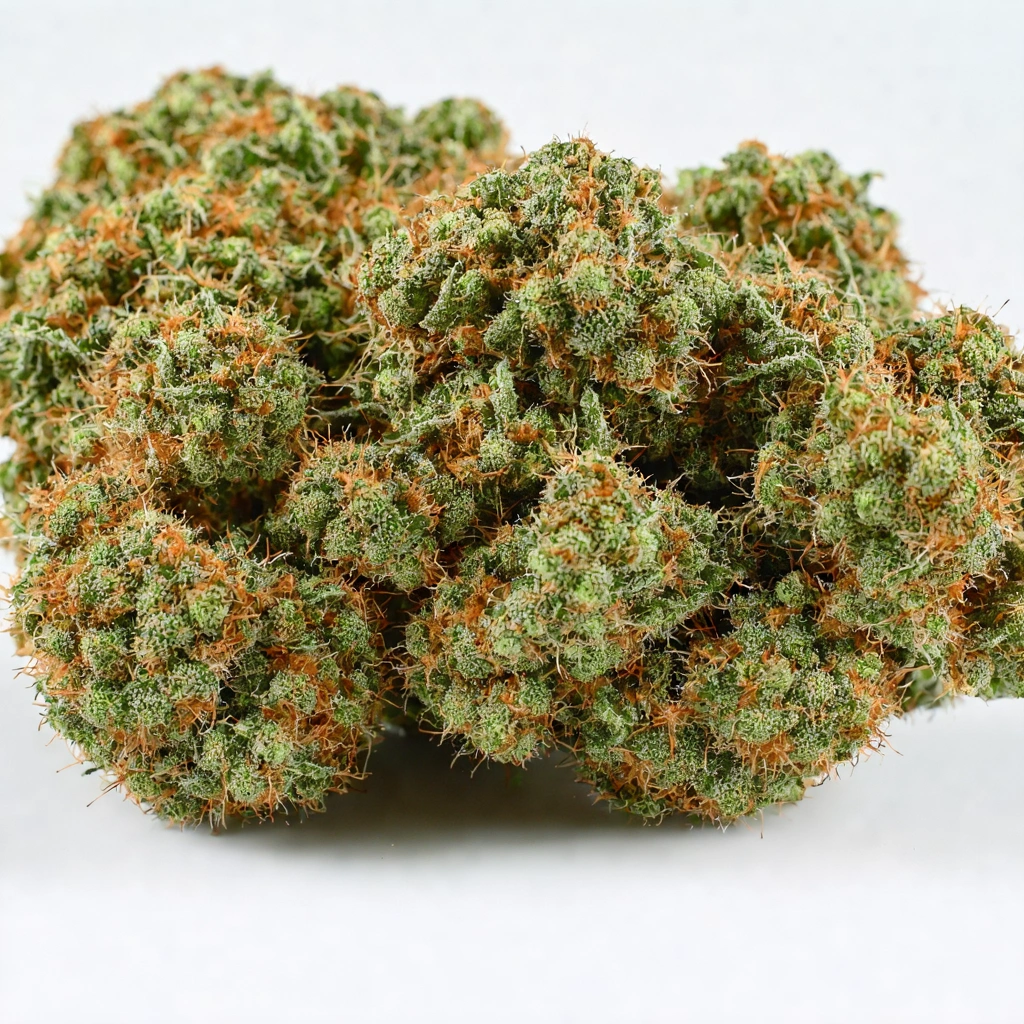
Afghan Landrace
Afghan Landrace
Also known as: Afghani, Afghan Kush, Pure Afghan, Hindu Kush
What is the Afghan Landrace strain?
Afghan Landrace is a indica cannabis strain with up to 26.0% THC, known for its relaxed effects and earthy and hash flavor profile.
Afghan landrace strains are ancient, pure indica varieties that evolved naturally in the harsh mountainous regions of Afghanistan and the Hindu Kush range over thousands of years. These strains represent some of the oldest cannabis genetics in the world, traditionally cultivated for hashish production by Afghan farmers using seeds passed down through generations. The isolation and unique growing conditions of Afghanistan's diverse climate zones have created multiple regional varieties, each adapted to specific environmental pressures. Afghan landraces are characterized by their exceptional hardiness, thick main stems, large seeds (up to 7 times larger than tropical varieties), and dense, resinous buds that produce extraordinary amounts of trichomes. These strains have been fundamental to modern cannabis breeding, serving as parent genetics for countless popular hybrids including Northern Lights, Skunk #1, and many Kush varieties. Despite decades of political instability, Afghanistan remains one of the world's largest hashish producers, with farmers continuing to cultivate these precious landrace genetics in remote valleys and mountains.
What are the effects of Afghan Landrace?
What are the medical benefits of Afghan Landrace?
- Users report relief from chronic pain
- May help with severe insomnia
- Often used for stress and anxiety reduction
- Users report appetite stimulation
- May help with muscle tension and spasms
- Often used for depression symptoms
This is not medical advice. Consult a healthcare professional.
What are the side effects of Afghan Landrace?
- 💧 Dry Mouth
- 👁️ Dry Eyes
- 💫 Dizziness
- Dry mouth
- Dry eyes
- Possible dizziness in novice users
- Heavy sedation and couch lock
- May cause drowsiness
How do you grow Afghan Landrace?
Afghan landrace strains are exceptionally hardy and well-suited for both indoor and outdoor cultivation. These plants typically flower in 7-9 weeks indoors, with Hindu Kush mountain varieties finishing faster (8-9 weeks) than northern lowland varieties (9-11 weeks). Plants grow short and bushy (under 1-2 meters), with thick main stems and broad, dark green leaves. They thrive in dry, mountainous climates and are highly resistant to pests, mold, and environmental stress. Indoor yields range from 400-500g/m², while outdoor plants can produce 450-500g per plant. Temperature should be maintained at 68-78°F during vegetation and slightly cooler during flowering. Humidity should be kept low (30-40%) during flowering to prevent mold on dense buds. These strains prefer rich, well-draining soil and can tolerate nutrient fluctuations better than modern hybrids. Beginner-friendly due to their resilience and stability.
How should you use Afghan Landrace?
Afghan Landrace is a indica strain with 26.0% THC, which is considered high potency. As an indica, it is best suited for evening or nighttime use.
Beginners
Start with 1-2 small inhalations or 2.5-5mg if using edibles. Wait 15 minutes before taking more. This strain is potent — start very low.
Regular Users
A standard session of 3-5 inhalations or 5-15mg edible dose. Effects typically onset within 5-15 minutes when inhaled, 30-90 minutes for edibles.
Experienced Users
Adjust to personal tolerance. At 26.0% THC, even experienced users should respect this strain's potency.
Start low and go slow. This is not medical advice — consult a healthcare professional before using cannabis.
What is the genetic lineage of Afghan Landrace?
What strains were bred from Afghan Landrace? (55)
- AFG-7
- Affie OG
- Afghan 1
- Afghan Blue
- Afghan Cherries
- Afghan Helmand
- Afghan Rose Tea
- Afghan Unicorn
- AfghangBang
- Black Afghani
- Chimtal
- Diablo's Afghan
- Ghazni
- HTAF
- Hashghan
- Helmand Glue
- Jalalabad Pine
- Kabul Fast
- Kabul Kandy
- Kandahar Kreeper
- Kunduz Afghanistan
- Lapis Mountain Indica
- Legends Ultimate Indica
- Maruf Kandahar
- Mazari
- Meat The Afghan
- NL5 x Afghan
- Narkush
- Nigerian x Afghan
- Old Afghani
- Orghani
- Original Afghani No1
- Oruzgan Zala
- Panjshir
- Point of No Return
- Purest Indica
- Purest Indica IBL
- Purple Dasht
- Qandahar South
- Red Pomegranate Afghan
- Royal Jalalabad
- Shanti Devi
- Shiva Afghani
- Sholgar
- Strawberry Jacuzzi
- Super Afghan
- Talk of Kabul
- Tashkurgan
- Tashquarghan
- The Kali
- Toxic Cherry Bomb
- Turkman Valley
- Twilight
- Vertigo
- Viking
Frequently Asked Questions
How does Afghan Landrace make you feel?
Afghan Landrace is a indica strain that primarily produces relaxed effects, followed by body high. Users report the dominant effect at 95% intensity. With 26.0% THC, this strain is considered potent and best suited for experienced users.
Is Afghan Landrace good for medical use?
Afghan Landrace has been reported by users for users report relief from chronic pain, may help with severe insomnia, often used for stress and anxiety reduction, users report appetite stimulation, may help with muscle tension and spasms, often used for depression symptoms. As an indica strain, it may be particularly suited for evening or nighttime use.
This is not medical advice. Consult a healthcare professional.
Are there side effects with Afghan Landrace?
Some users have reported dry mouth, dry eyes, dizziness, dry mouth, dry eyes, possible dizziness in novice users, heavy sedation and couch lock, may cause drowsiness when using Afghan Landrace. Starting with a low dose and staying hydrated can help minimize these effects.
What does Afghan Landrace taste and smell like?
Afghan Landrace features a flavor profile of earthy, hash, herbal, pine, spicy, sweet, woody. The dominant terpenes are Myrcene and Caryophyllene, which contribute to its distinctive aroma.
What do users say about Afghan Landrace?
Log in to write a review.
No reviews yet. Be the first to review Afghan Landrace!
What does the research say about Afghan Landrace?
Afghan Landrace is a indica cannabis strain containing up to 26.0% THC, with a terpene profile dominated by Myrcene and Caryophyllene. Below are authoritative resources for understanding the compounds in this strain.
Cannabinoid Information
Cannabis Regulations & Safety
What strains are similar to Afghan Landrace?
(G13 Hashplant x Chitral) F3 x Taskenti F2
IndicaTHC: Unknown
00 Kush
IndicaTHC: 15.0% - 22.0%
00 Kush Fast
IndicaTHC: 20.0% - 24.0%
12 Star
IndicaTHC: 20.0% - 25.0%
12lb Hammer
IndicaTHC: 20.0% - 28.0%
1979 Xmas Bud
IndicaTHC: Unknown
1984
IndicaTHC: 18.0% - 22.0%
2 Fast 2 Vast
IndicaTHC: 18.0% - 20.0%