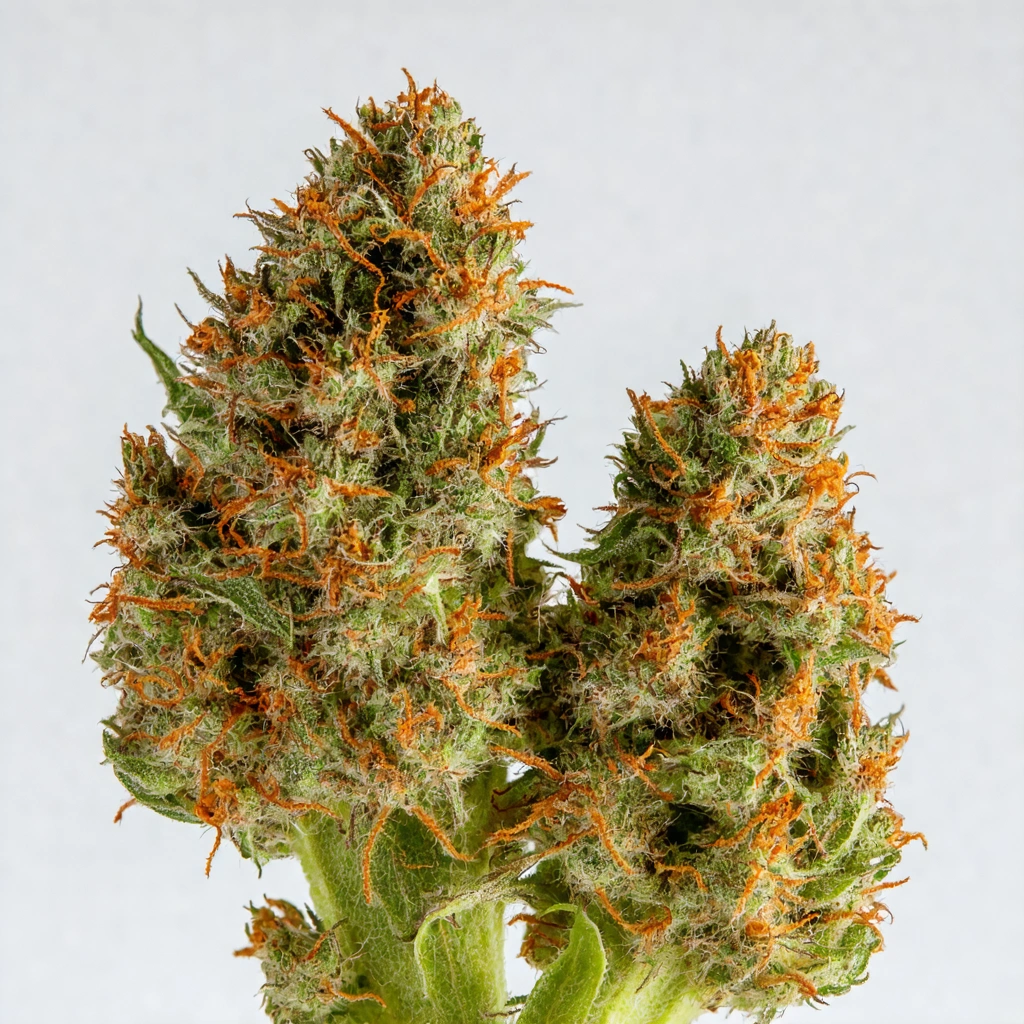
Africa - Sativa
Africa - Sativa
Also known as: African Landrace, African Sativa
What is the Africa - Sativa strain?
Africa - Sativa is a sativa cannabis strain with up to 24.0% THC, known for its energetic effects and citrus and earthy flavor profile.
Africa - Sativa represents the diverse collection of landrace cannabis strains indigenous to the African continent. These pure sativa varieties have evolved naturally over centuries in their native African climates, developing unique characteristics adapted to the continent's hot, dry conditions and equatorial latitude. African landrace strains are among the oldest cannabis genetics in the world, with documented cultivation dating back to the 14th century by indigenous tribes including the Khoikhoi, San, and Bantu peoples. These strains are characterized by their tall, Christmas tree-like structure with elongated branches, widely-spaced buds, and distinctive terpene profiles that often include high levels of THCV (tetrahydrocannabivarin) - a rare cannabinoid known for appetite suppression and energizing effects. Notable African landrace varieties include Durban Poison, Malawi Gold, Swazi Gold, Kilimanjaro, Ethiopian, and Angola Gold. The buds typically display bright green coloration with orange hairs and produce complex aromas ranging from sweet and spicy to earthy and herbal. These strains are prized for their pure genetics, having never been crossed with other varieties, making them valuable for breeding programs and offering users an authentic cannabis experience that has remained largely unchanged for generations.
What are the effects of Africa - Sativa?
What are the medical benefits of Africa - Sativa?
- Users report relief from chronic fatigue
- May help with depression
- Often used for stress management
- Users report benefits for appetite stimulation
- May help with focus and attention disorders
This is not medical advice. Consult a healthcare professional.
What are the side effects of Africa - Sativa?
- 💧 Dry Mouth
- 👁️ Dry Eyes
- 😰 Anxiety
- Dry mouth
- Dry eyes
- Possible anxiety at high doses
- May cause overstimulation in sensitive users
How do you grow Africa - Sativa?
African landrace varieties require experienced cultivation due to their adaptation to hot, dry African climates. These strains thrive in temperatures up to 100°F with low humidity conditions that can be challenging for novice growers. Flowering time varies significantly from 8-14 weeks depending on specific genetics, with some varieties requiring up to 16 weeks. Plants can grow extremely tall, often reaching 8+ feet, making height management crucial for indoor cultivation. They produce above-average yields when grown successfully. Outdoor cultivation is preferred in warm, dry climates similar to their native African environment. These strains are naturally resistant to pests and mold, making them hardy choices for experienced growers who can provide appropriate environmental conditions.
How should you use Africa - Sativa?
Africa - Sativa is a sativa strain with 24.0% THC, which is moderate potency. As a sativa, it works well for daytime activities and creative sessions.
Beginners
Start with 1-2 small inhalations or 2.5-5mg if using edibles. Wait 15 minutes before taking more. This strain is potent — start very low.
Regular Users
A standard session of 3-5 inhalations or 5-15mg edible dose. Effects typically onset within 5-15 minutes when inhaled, 30-90 minutes for edibles.
Experienced Users
Adjust to personal tolerance. Moderate doses should provide a satisfying experience.
Start low and go slow. This is not medical advice — consult a healthcare professional before using cannabis.
Frequently Asked Questions
How does Africa - Sativa make you feel?
Africa - Sativa is a sativa strain that primarily produces energetic effects, followed by uplifted. Users report the dominant effect at 85% intensity. With 24.0% THC, this strain is moderately strong and suitable for regular consumers.
Is Africa - Sativa good for medical use?
Africa - Sativa has been reported by users for users report relief from chronic fatigue, may help with depression, often used for stress management, users report benefits for appetite stimulation, may help with focus and attention disorders. As a sativa strain, it may be suitable for daytime use while managing symptoms.
This is not medical advice. Consult a healthcare professional.
Are there side effects with Africa - Sativa?
Some users have reported dry mouth, dry eyes, anxiety, dry mouth, dry eyes, possible anxiety at high doses, may cause overstimulation in sensitive users when using Africa - Sativa. Starting with a low dose and staying hydrated can help minimize these effects.
What does Africa - Sativa taste and smell like?
Africa - Sativa features a flavor profile of citrus, earthy, herbal, pine, spicy, sweet. The dominant terpenes are Caryophyllene and Myrcene, which contribute to its distinctive aroma.
What do users say about Africa - Sativa?
Log in to write a review.
No reviews yet. Be the first to review Africa - Sativa!
What does the research say about Africa - Sativa?
Africa - Sativa is a sativa cannabis strain containing up to 24.0% THC, with a terpene profile dominated by Caryophyllene and Myrcene. Below are authoritative resources for understanding the compounds in this strain.