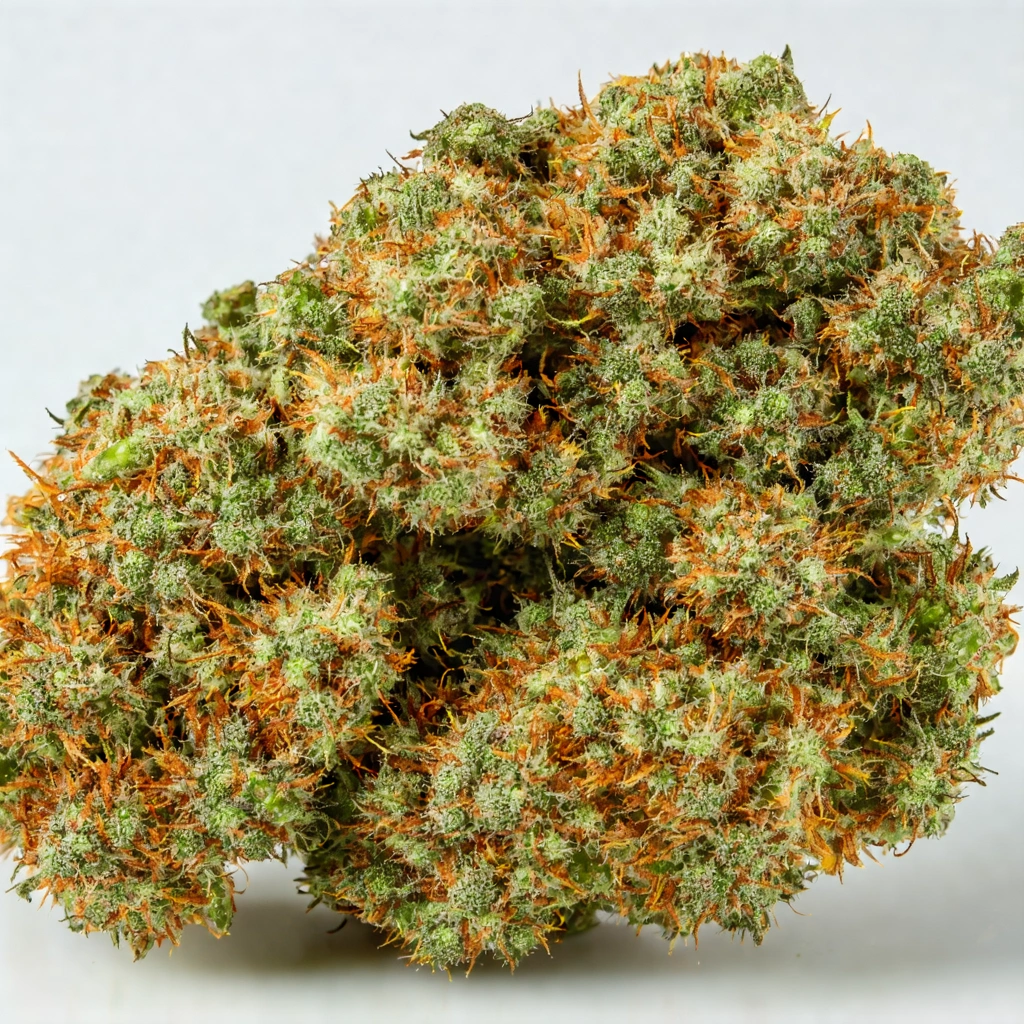
African Nectar
African Nectar
Also known as: African Nectar by Equilibrium Genetics
What is the African Nectar strain?
African Nectar is a hybrid cannabis strain with up to 25.0% THC, known for its happy effects and banana and citrus flavor profile.
African Nectar is a sativa-dominant hybrid developed by Equilibrium Genetics and can be cultivated indoors and outdoors (where the plants need a flowering time of approximately 63 days). This strain was created by crossing Strawberry Banana (female) with African Orange F2 (male). The strain represents a fascinating fusion of modern cannabis genetics with traditional African landrace influence. The Strawberry Banana parent brings heavy resin production and high-THC content with happy, peaceful effects that sharpen creativity and sensory awareness, while the African Orange lineage contributes Agent Orange (Orange Velvet x Jack the Ripper) crossed with Heirloom Malawi genetics. The strain has a distinctive aroma profile featuring banana, orange, and sour fruit notes, reflecting its complex parentage that blends tropical fruit flavors with the energizing clarity associated with African sativa genetics. African Nectar has been archived by Equilibrium Genetics, making it a sought-after cultivar among collectors and connoisseurs.
What are the effects of African Nectar?
What are the medical benefits of African Nectar?
- Users report relief from stress
- May help with depression
- Often used for fatigue
- May enhance creativity and focus
- Users report mood elevation
This is not medical advice. Consult a healthcare professional.
What are the side effects of African Nectar?
- 💧 Dry Mouth
- 👁️ Dry Eyes
- 😰 Anxiety
- Dry mouth
- Dry eyes
- Possible anxiety in sensitive users or high doses
How do you grow African Nectar?
African Nectar can be cultivated indoors and outdoors with a flowering time of approximately 63 days (9 weeks). The strain is sativa-dominant and flowers in mid-October outdoors. Given its African Orange genetics, it likely thrives in various environments including indoor, outdoor, and greenhouse settings, and typically develops tall heights with hollow stems, light green leaves, and medium-dense buds. The Strawberry Banana parent contributes approximately 63-day flowering time and responds well to topping, producing big yields with ample feeding. Seeds were never available as feminized, indicating this strain was primarily propagated through regular seeds. Given the African genetics, it likely requires warm conditions and may show good mold resistance. Intermediate to advanced growing experience recommended due to potential height and longer flowering times typical of sativa-dominant strains.
How should you use African Nectar?
African Nectar is a hybrid strain with 25.0% THC, which is considered high potency. As a hybrid, it offers versatility for both daytime and evening use.
Beginners
Start with 1-2 small inhalations or 2.5-5mg if using edibles. Wait 15 minutes before taking more. This strain is potent — start very low.
Regular Users
A standard session of 3-5 inhalations or 5-15mg edible dose. Effects typically onset within 5-15 minutes when inhaled, 30-90 minutes for edibles.
Experienced Users
Adjust to personal tolerance. At 25.0% THC, even experienced users should respect this strain's potency.
Start low and go slow. This is not medical advice — consult a healthcare professional before using cannabis.
What is the genetic lineage of African Nectar?
What are African Nectar's parent strains?
Frequently Asked Questions
How does African Nectar make you feel?
African Nectar is a hybrid strain that primarily produces happy effects, followed by euphoric. Users report the dominant effect at 85% intensity. With 25.0% THC, this strain is considered potent and best suited for experienced users.
Is African Nectar good for medical use?
African Nectar has been reported by users for users report relief from stress, may help with depression, often used for fatigue, may enhance creativity and focus, users report mood elevation. As a hybrid, it offers a balanced profile that may work throughout the day.
This is not medical advice. Consult a healthcare professional.
Are there side effects with African Nectar?
Some users have reported dry mouth, dry eyes, anxiety, dry mouth, dry eyes, possible anxiety in sensitive users or high doses when using African Nectar. Starting with a low dose and staying hydrated can help minimize these effects.
What does African Nectar taste and smell like?
African Nectar features a flavor profile of banana, citrus, fruity, orange, sour, sweet, tropical. The dominant terpenes are Limonene and Myrcene, which contribute to its distinctive aroma.
What do users say about African Nectar?
Log in to write a review.
No reviews yet. Be the first to review African Nectar!
What does the research say about African Nectar?
African Nectar is a hybrid cannabis strain containing up to 25.0% THC, with a terpene profile dominated by Limonene and Myrcene. Below are authoritative resources for understanding the compounds in this strain.
Cannabinoid Information
Cannabis Regulations & Safety
What strains are similar to African Nectar?
#1 Stunna
HybridTHC: 20.0% - 30.0%
#41 Zi
HybridTHC: Unknown
$.i.N.G
HybridTHC: 18.0% - 24.0%
'78 LA OG Affie
HybridTHC: 22.0% - 23.0%
'78 Skunk 'D' x Gorilla Grape
HybridTHC: Unknown
'78 Skunk 'M' x Gorilla Grape
HybridTHC: Unknown
'87 Firebird
HybridTHC: 18.0% - 23.0%
'98 Aloha White Widow
HybridTHC: 20.0% - 25.0%