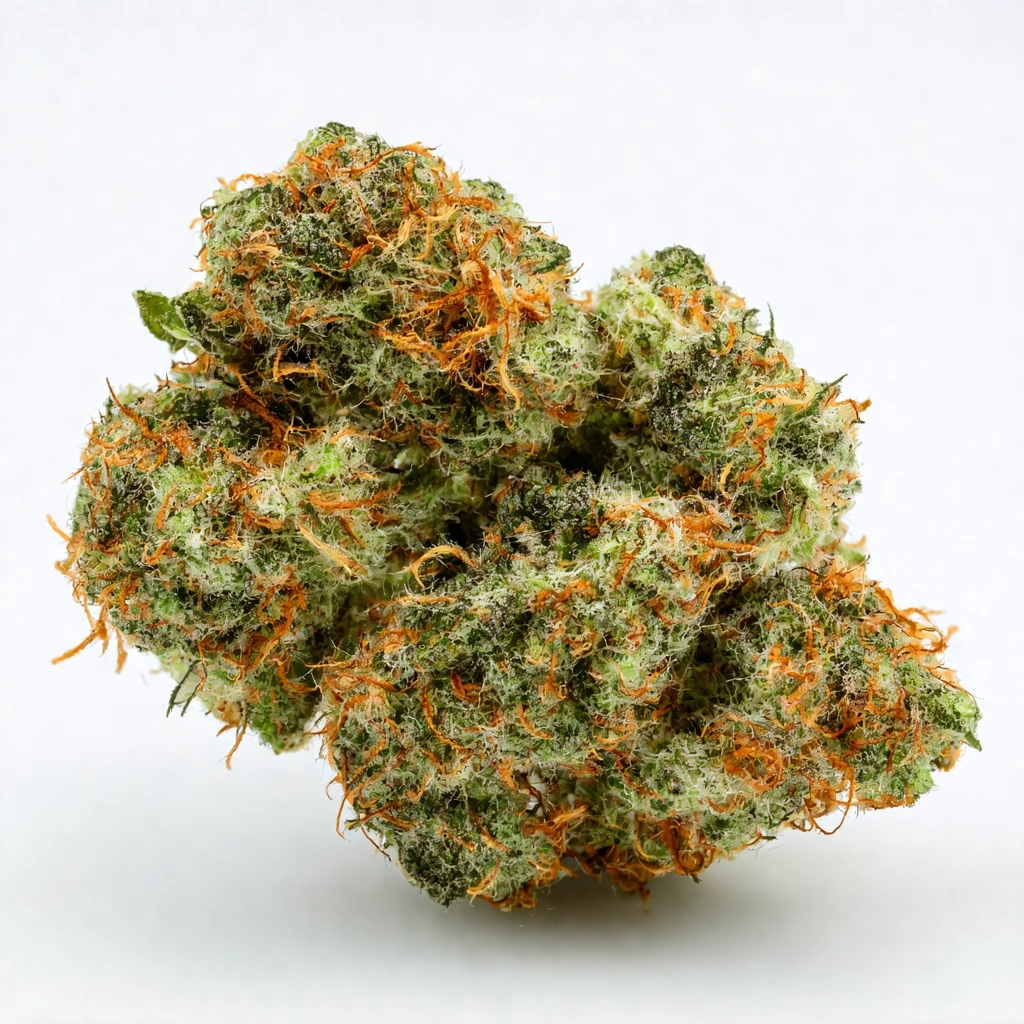
Amrita
Amrita
Also known as: Nectar of the Gods
What is the Amrita strain?
Amrita is a hybrid cannabis strain with up to 22.0% THC, known for its body high effects and citrus and earthy flavor profile.
The history of the Amrita strain by Bodhi Seeds is as fascinating as it is intricate. Developed in the early 2010s by the visionary breeders at Bodhi Seeds, Amrita was meticulously crafted to deliver a unique balance of potency, flavor, and therapeutic benefits. From its inception, the strain's name, Amrita, which translates to 'nectar of the gods', symbolized its aim to provide transcendent experiences, both recreationally and medicinally. The breeders were inspired by ancient texts and Indian mythology, reflecting the divine potency that the strain exudes. Bred primarily from a cross between classic Hindu Kush and select Afghani phenotypes, the strain showcases robust indica tendencies inherited from its parents. This combination results in a sturdy plant structure with high resin production, making Amrita a favorite for quality hash production. Genetic testing has revealed a stable ratio that ensures predictability, with research indicating an approximate genetic breakdown of 60% indica and 40% sativa. Bodhi Seeds, known for combining classical genetics with modern breeding techniques, carefully spent more than two years in stabilization trials. During this period, researchers harvested data on yield, resin production, and potency, recording an average THC content ranging between 18% and 22% in stable phenotypes. Multiple test batches were shipped to several laboratories, and over 95% passed rigorous quality standards. The emphasis on precision and consistency led Amrita to earn a reputable place among connoisseurs and medical users alike. Annual strain awards in specialty cannabis competitions have recognized Amrita's balanced profile and robust effects, highlighting its innovative approach to breeding.
What are the effects of Amrita?
What are the medical benefits of Amrita?
- Users report sustained relief for neuropathic pain and muscle spasms in palliative care settings
- May help with chronic conditions according to clinical trials
- Often used for stress relief
This is not medical advice. Consult a healthcare professional.
What are the side effects of Amrita?
- 💧 Dry Mouth
- 👁️ Dry Eyes
- Dry mouth
- Dry eyes
- Possible sedation in high doses
How do you grow Amrita?
The strain thrives best under controlled indoor conditions, though experienced growers have also reported success in optimal outdoor environments during summer months. The plant exhibits a medium flowering period that lasts approximately 8 to 10 weeks. Growers must provide at least 12 hours of uninterrupted darkness during the flowering phase to ensure full bud development. Experts using deep water culture (DWC) note that Amrita can achieve an average yield of 450-500 grams per square meter under optimal conditions. When cultivating outdoors, growers should select a location with ample sunlight, ideally receiving 7-8 hours per day, as this promotes optimum flowering and resin production. The environment should be evaluated for pest management, as dense foliage may occasionally harbor pests and mold if not properly ventilated. This is considered an intermediate difficulty strain suitable for growers with some experience.
How should you use Amrita?
Amrita is a hybrid strain with 22.0% THC, which is moderate potency. As a hybrid, it offers versatility for both daytime and evening use.
Beginners
Start with 1-2 small inhalations or 2.5-5mg if using edibles. Wait 15 minutes before taking more. This strain is potent — start very low.
Regular Users
A standard session of 3-5 inhalations or 5-15mg edible dose. Effects typically onset within 5-15 minutes when inhaled, 30-90 minutes for edibles.
Experienced Users
Adjust to personal tolerance. Moderate doses should provide a satisfying experience.
Start low and go slow. This is not medical advice — consult a healthcare professional before using cannabis.
What is the genetic lineage of Amrita?
What are Amrita's parent strains?
Frequently Asked Questions
How does Amrita make you feel?
Amrita is a hybrid strain that primarily produces body high effects, followed by relaxed. Users report the dominant effect at 85% intensity. With 22.0% THC, this strain is moderately strong and suitable for regular consumers.
Is Amrita good for medical use?
Amrita has been reported by users for users report sustained relief for neuropathic pain and muscle spasms in palliative care settings, may help with chronic conditions according to clinical trials, often used for stress relief. As a hybrid, it offers a balanced profile that may work throughout the day.
This is not medical advice. Consult a healthcare professional.
Are there side effects with Amrita?
Some users have reported dry mouth, dry eyes, dry mouth, dry eyes, possible sedation in high doses when using Amrita. Starting with a low dose and staying hydrated can help minimize these effects.
What does Amrita taste and smell like?
Amrita features a flavor profile of citrus, earthy, pine, spicy. The dominant terpenes are Limonene and Caryophyllene, which contribute to its distinctive aroma.
What do users say about Amrita?
Log in to write a review.
No reviews yet. Be the first to review Amrita!
What does the research say about Amrita?
Amrita is a hybrid cannabis strain containing up to 22.0% THC, with a terpene profile dominated by Limonene and Caryophyllene. Below are authoritative resources for understanding the compounds in this strain.
Cannabinoid Information
Cannabis Regulations & Safety
What strains are similar to Amrita?
#1 Stunna
HybridTHC: 20.0% - 30.0%
#41 Zi
HybridTHC: Unknown
$.i.N.G
HybridTHC: 18.0% - 24.0%
'78 LA OG Affie
HybridTHC: 22.0% - 23.0%
'78 Skunk 'D' x Gorilla Grape
HybridTHC: Unknown
'78 Skunk 'M' x Gorilla Grape
HybridTHC: Unknown
'87 Firebird
HybridTHC: 18.0% - 23.0%
'98 Aloha White Widow
HybridTHC: 20.0% - 25.0%