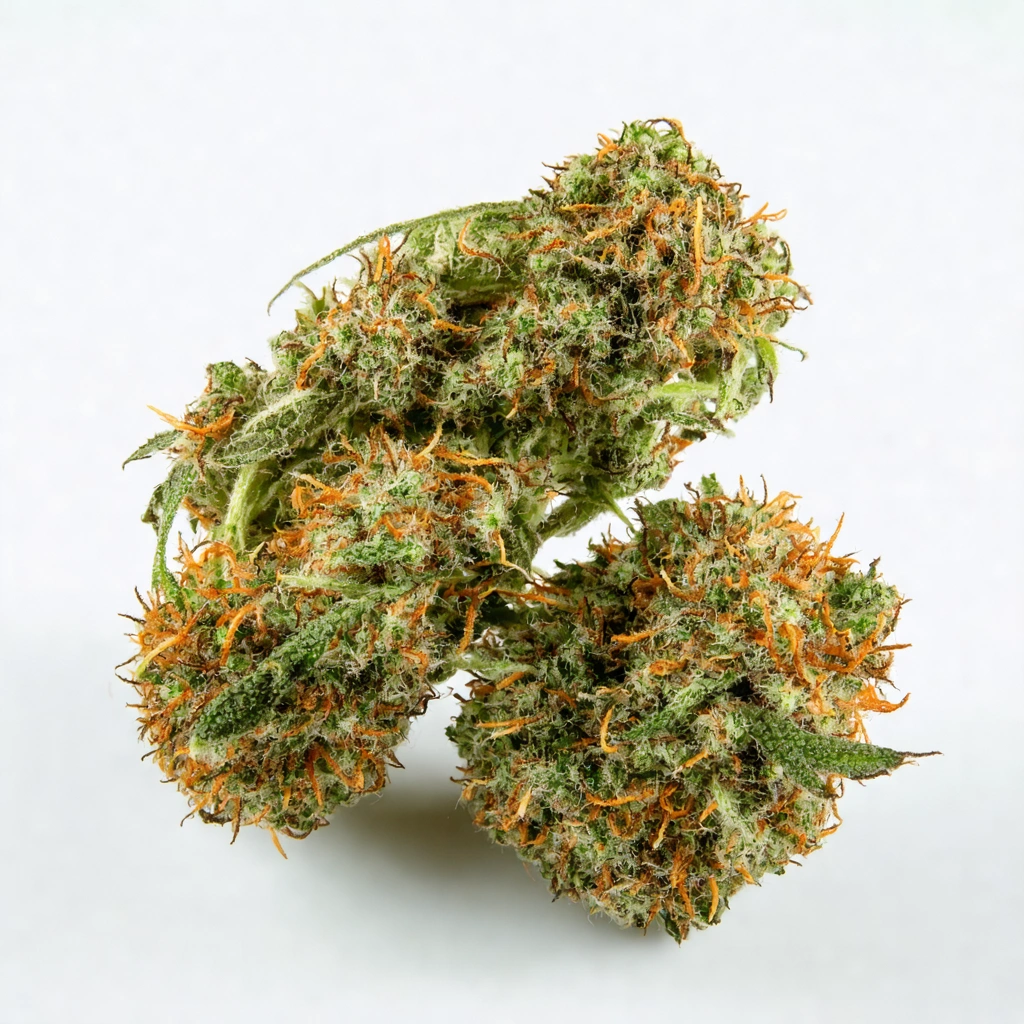
Andhra Bhang
Andhra Bhang
Also known as: Jungli
What is the Andhra Bhang strain?
Andhra Bhang is a sativa cannabis strain with up to 12.0% THC, known for its cerebral effects and earthy and floral flavor profile.
Andhra Bhang is a pure sativa landrace strain originating from Andhra Pradesh, a state situated in southeast India between the Tropic of Cancer and the equator, and is recognized as one of the oldest and most traditional marijuana strains in India. This strain represents the infamous bhang variety, also referred to as "jungli," which is widely used for making traditional bhang edibles and beverages as well as for smoking. This particular landrace sativa originates from the Bay of Bengal coastal region, where the seeds were sourced directly on location. The strain's historical significance is deeply rooted in Indian culture, where bhang has been consumed for centuries as part of Hindu traditions, particularly during festivals like Holi and Maha Shivaratri.
Physically, Andhra Bhang produces very fast-growing vigorous plants that grow horizontally as much as vertically, creating a distinctive growth pattern typical of equatorial sativas. Like other tropical strains, it demonstrates high resistance to heat, rain, mold, and pests, making it well-adapted to its native humid, tropical climate. The preservation of this landrace strain is considered invaluable, as thousands of acres of cannabis plantations and wild plants continue to be destroyed in eradication campaigns, with 650 acres destroyed in 2022 alone in efforts to make Andhra Pradesh cannabis-free.
What are the effects of Andhra Bhang?
What are the medical benefits of Andhra Bhang?
- Users report relief from stress and anxiety
- May help with pain management
- Traditional use for digestive issues
- May assist with appetite stimulation
- Users report help with muscle spasms
This is not medical advice. Consult a healthcare professional.
What are the side effects of Andhra Bhang?
- 💧 Dry Mouth
- 👁️ Dry Eyes
- 😰 Anxiety
- Dry mouth
- Dry eyes
- Possible anxiety in high doses
- Potential paranoia with excessive consumption
How do you grow Andhra Bhang?
This sativa is best suited for outdoor cultivation and greenhouses, although with proper training it can be grown indoors. The plants require an extended flowering period of more than 20 weeks (minimum 18-20 weeks on average) to produce moderate yields. For outdoor cultivation, harvest time typically occurs in December-January. Growing difficulty is considered moderate to advanced due to the extremely long flowering time. The strain demonstrates high resistance to heat, rain, mold, and pests, making it suitable for tropical climates. Plant height is typically tall, characteristic of equatorial sativa landraces. The native climate features year-round humidity with major rainfall spikes during July-September monsoon seasons, with temperatures ranging from 25-40°C before monsoons, cooling to 24-32°C during the wet season.
How should you use Andhra Bhang?
Andhra Bhang is a sativa strain with 12.0% THC, which is low potency. As a sativa, it works well for daytime activities and creative sessions.
Beginners
Start with 1-2 small inhalations or 2.5-5mg if using edibles. Wait 15 minutes before taking more.
Regular Users
A standard session of 3-5 inhalations or 5-15mg edible dose. Effects typically onset within 5-15 minutes when inhaled, 30-90 minutes for edibles.
Experienced Users
Adjust to personal tolerance. Moderate doses should provide a satisfying experience.
Start low and go slow. This is not medical advice — consult a healthcare professional before using cannabis.
Frequently Asked Questions
How does Andhra Bhang make you feel?
Andhra Bhang is a sativa strain that primarily produces cerebral effects, followed by uplifted. Users report the dominant effect at 85% intensity. With 12.0% THC, this strain is mild and beginner-friendly.
Is Andhra Bhang good for medical use?
Andhra Bhang has been reported by users for users report relief from stress and anxiety, may help with pain management, traditional use for digestive issues, may assist with appetite stimulation, users report help with muscle spasms. As a sativa strain, it may be suitable for daytime use while managing symptoms.
This is not medical advice. Consult a healthcare professional.
Are there side effects with Andhra Bhang?
Some users have reported dry mouth, dry eyes, anxiety, dry mouth, dry eyes, possible anxiety in high doses, potential paranoia with excessive consumption when using Andhra Bhang. Starting with a low dose and staying hydrated can help minimize these effects.
What does Andhra Bhang taste and smell like?
Andhra Bhang features a flavor profile of earthy, floral, hash, sour, spicy. The dominant terpenes are Myrcene and Limonene, which contribute to its distinctive aroma.
What do users say about Andhra Bhang?
Log in to write a review.
No reviews yet. Be the first to review Andhra Bhang!
What does the research say about Andhra Bhang?
Andhra Bhang is a sativa cannabis strain containing up to 12.0% THC, with a terpene profile dominated by Myrcene and Limonene. Below are authoritative resources for understanding the compounds in this strain.