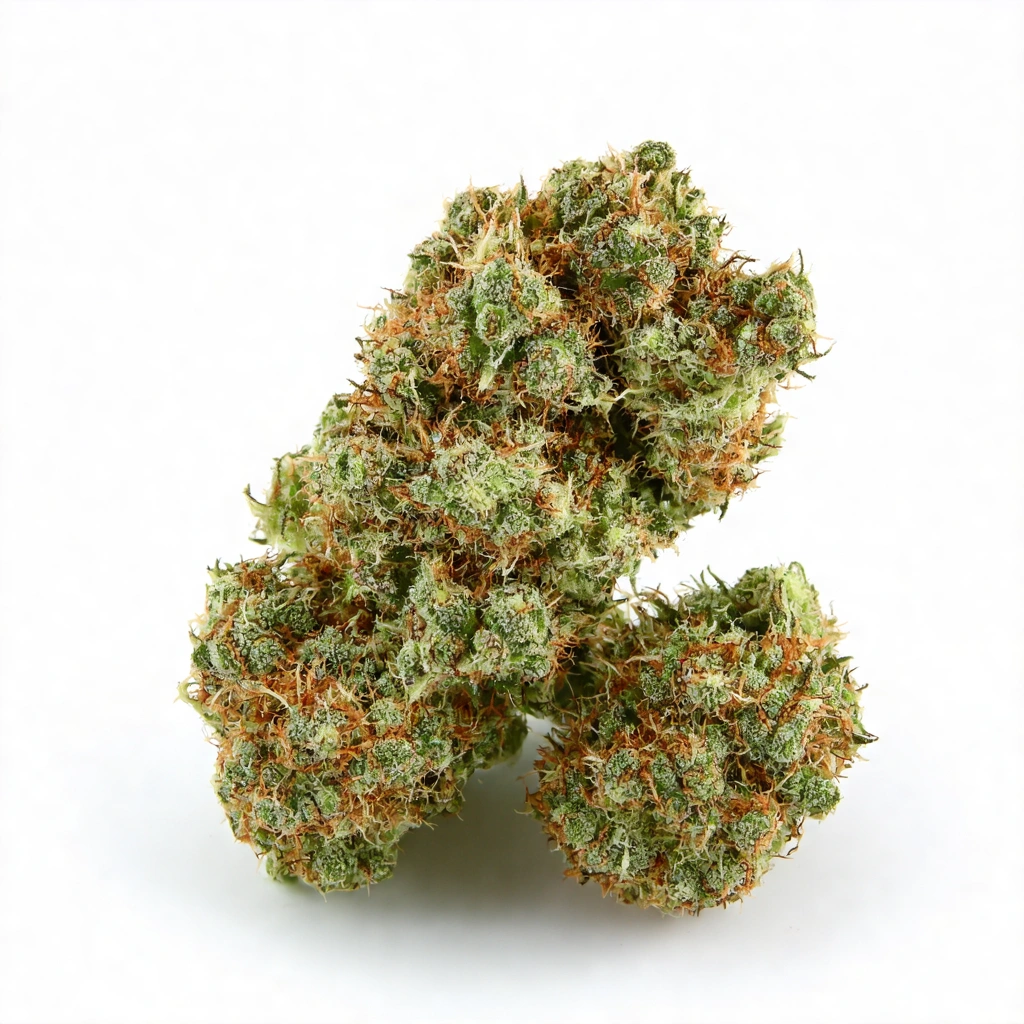
Arjan's Haze #3
Arjan's Haze #3
Also known as: Arjan's Haze Number 3, Arjans Haze 3
What is the Arjan's Haze #3 strain?
Arjan's Haze #3 is a hybrid cannabis strain with up to 23.0% THC, known for its euphoric effects and citrus and floral flavor profile.
Arjan's Haze #3 is a sativa-dominant hybrid strain consisting of 70% sativa and 30% indica genetics, bred by Green House Seeds. The strain is an original cross of Haze and Laos genetics, though some sources indicate a more complex lineage including Neville's Haze, Super Silver Haze, and Laos plant strains. Marketed as the "shortest, fastest haze plant in history", this strain was specifically developed to address common issues with traditional Haze varieties.
Arjan's Haze #3 was engineered to provide the classic Haze experience in a more manageable format for growers. The strain has been designed to deliver impressive yields without the stretch of typical Haze trees, achieving a short fast-blooming Haze without losing the trademark clear soaring sativa high. The plant exhibits a keen, flexible, small and bushy structure, making it ideal for SoG (Sea of Green) and ScrOG (Screen of Green) cultivation methods. The strain produces big, long flowers covered by a good number of trichomes with high pistil production, and features dark green leaves.
What are the effects of Arjan's Haze #3?
What are the medical benefits of Arjan's Haze #3?
- Users report relief from chronic pain
- May help with muscle spasms
- Often used for Multiple Sclerosis symptoms
- Users report help with fatigue
- May assist with back pain
This is not medical advice. Consult a healthcare professional.
What are the side effects of Arjan's Haze #3?
- 💧 Dry Mouth
- 👁️ Dry Eyes
- 😰 Anxiety
- Dry mouth
- Dry eyes
- Possible mild anxiety
- May cause headaches with overuse
How do you grow Arjan's Haze #3?
Arjan's Haze #3 can be cultivated both indoors and outdoors with a flowering time of approximately 74 days (10-11 weeks). Ideally suited to intermediate level growers, this strain is considered easier to manage than typical Haze varieties. Indoor cultivation yields 500-700 grams per square meter, while outdoor grows can produce up to 1000 grams per plant. Plants can reach up to 200cm in height outdoors and are ready for harvest by mid-October in the Northern Hemisphere. The strain may require support for bud-laden branches due to thick branch development. It's ideal for equatorial, tropical, subtropical and temperate climates.
How should you use Arjan's Haze #3?
Arjan's Haze #3 is a hybrid strain with 23.0% THC, which is moderate potency. As a hybrid, it offers versatility for both daytime and evening use.
Beginners
Start with 1-2 small inhalations or 2.5-5mg if using edibles. Wait 15 minutes before taking more. This strain is potent — start very low.
Regular Users
A standard session of 3-5 inhalations or 5-15mg edible dose. Effects typically onset within 5-15 minutes when inhaled, 30-90 minutes for edibles.
Experienced Users
Adjust to personal tolerance. Moderate doses should provide a satisfying experience.
Start low and go slow. This is not medical advice — consult a healthcare professional before using cannabis.
What is the genetic lineage of Arjan's Haze #3?
What are Arjan's Haze #3's parent strains?
Frequently Asked Questions
How does Arjan's Haze #3 make you feel?
Arjan's Haze #3 is a hybrid strain that primarily produces euphoric effects, followed by creative. Users report the dominant effect at 85% intensity. With 23.0% THC, this strain is moderately strong and suitable for regular consumers.
Is Arjan's Haze #3 good for medical use?
Arjan's Haze #3 has been reported by users for users report relief from chronic pain, may help with muscle spasms, often used for multiple sclerosis symptoms, users report help with fatigue, may assist with back pain. As a hybrid, it offers a balanced profile that may work throughout the day.
This is not medical advice. Consult a healthcare professional.
Are there side effects with Arjan's Haze #3?
Some users have reported dry mouth, dry eyes, anxiety, dry mouth, dry eyes, possible mild anxiety, may cause headaches with overuse when using Arjan's Haze #3. Starting with a low dose and staying hydrated can help minimize these effects.
What does Arjan's Haze #3 taste and smell like?
Arjan's Haze #3 features a flavor profile of citrus, floral, fruity, lemon, pine, sweet, tropical. The dominant terpenes are Pinene and Terpinolene, which contribute to its distinctive aroma.
What do users say about Arjan's Haze #3?
Log in to write a review.
No reviews yet. Be the first to review Arjan's Haze #3!
What does the research say about Arjan's Haze #3?
Arjan's Haze #3 is a hybrid cannabis strain containing up to 23.0% THC, with a terpene profile dominated by Pinene and Terpinolene. Below are authoritative resources for understanding the compounds in this strain.
Terpene Research
Cannabinoid Information
Cannabis Regulations & Safety
What strains are similar to Arjan's Haze #3?
#1 Stunna
HybridTHC: 20.0% - 30.0%
#41 Zi
HybridTHC: Unknown
$.i.N.G
HybridTHC: 18.0% - 24.0%
'78 LA OG Affie
HybridTHC: 22.0% - 23.0%
'78 Skunk 'D' x Gorilla Grape
HybridTHC: Unknown
'78 Skunk 'M' x Gorilla Grape
HybridTHC: Unknown
'87 Firebird
HybridTHC: 18.0% - 23.0%
'98 Aloha White Widow
HybridTHC: 20.0% - 25.0%