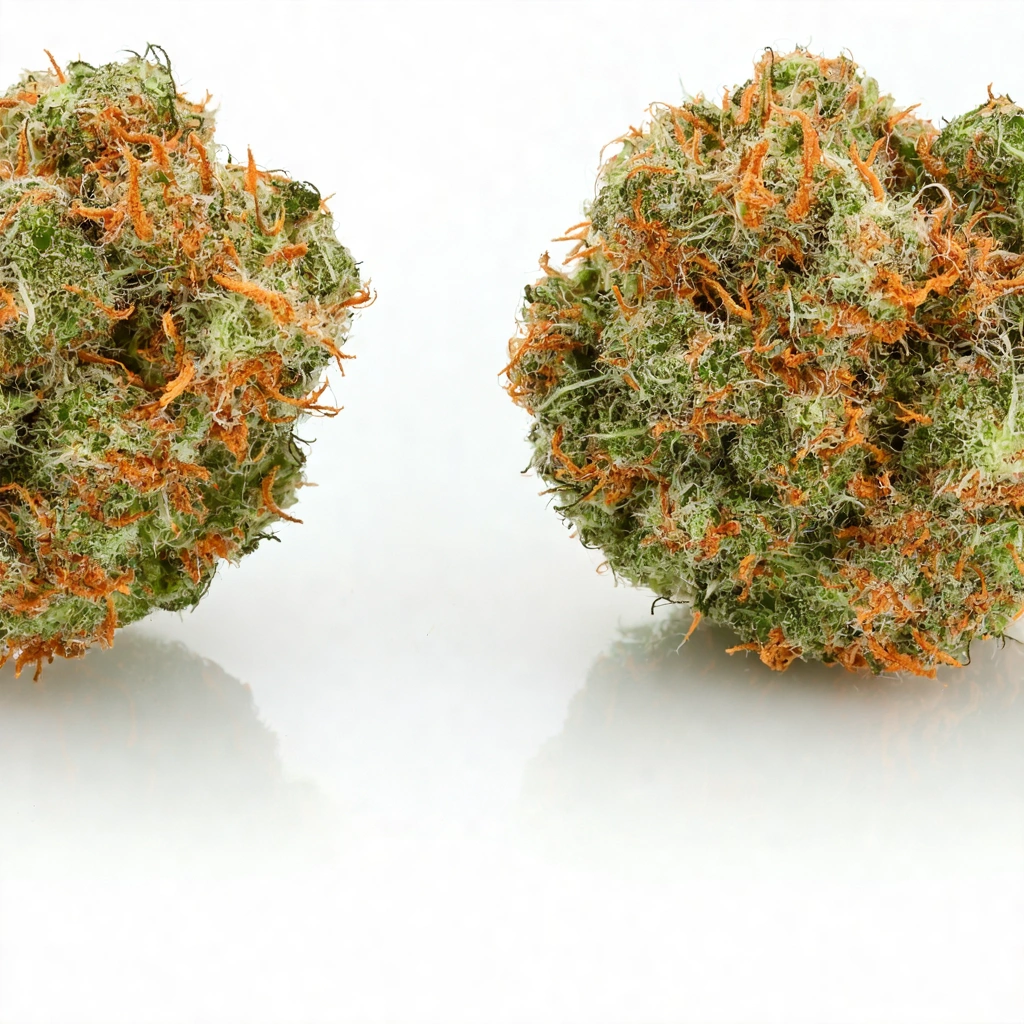
Australian Bastard Cannabis (ABC)
Australian Bastard Cannabis (ABC)
Also known as: ABC, Bindi Buds
What is the Australian Bastard Cannabis (ABC) strain?
Australian Bastard Cannabis (ABC) is a sativa cannabis strain with up to 20.0% THC, known for its uplifted effects and citrus and floral flavor profile.
Australian Bastard Cannabis (ABC) is a rare and unique landrace strain that originated in the wild landscapes of Australia, first documented in the 1970s. This strain represents one of cannabis's most distinctive mutations, featuring drastically altered leaf morphology that makes it virtually unrecognizable as cannabis. Instead of the typical serrated fan leaves, ABC produces small, glossy, rounded leaflets that resemble parsley or succulent plants, making it an exceptional stealth strain for discrete cultivation. The mutation is believed to have developed as an adaptation to Australia's harsh environmental conditions, possibly arising from cannabis plants that became genetically isolated or through natural hybridization with introduced strains. While pure ABC landrace plants typically contain low THC levels (around 5%), modern breeding programs have successfully crossed ABC genetics with high-potency strains, creating hybrids that maintain the distinctive leaf structure while achieving THC levels of 14-20%. The strain exhibits remarkable hardiness and drought resistance due to its thick, waxy leaves and compact growth structure.
What are the effects of Australian Bastard Cannabis (ABC)?
What are the medical benefits of Australian Bastard Cannabis (ABC)?
- Users report mild relief from anxiety
- May provide gentle mood elevation
- Often used for social settings without heavy sedation
This is not medical advice. Consult a healthcare professional.
What are the side effects of Australian Bastard Cannabis (ABC)?
- 💧 Dry Mouth
- 👁️ Dry Eyes
- Dry mouth
- Dry eyes
- May be too mild for users seeking strong effects
How do you grow Australian Bastard Cannabis (ABC)?
ABC is considered moderately challenging to grow due to its unique characteristics. Seeds often have low germination rates and may require hydrogen peroxide treatment or scarification. Growth is initially slow due to reduced leaf surface area for photosynthesis. Vegetative period is extended (16-18 weeks) with flowering taking 13-14 weeks. Plants remain compact (1-1.8 meters) with flexible branches that resist wind damage. Highly resistant to drought and cold temperatures, with buds turning purple in cool weather. Suitable for both indoor and outdoor cultivation, with outdoor harvest typically in December at northern latitudes. The strain produces many foxtails and achieves best quality at the very end of the flowering cycle. Yields are generally lower than conventional strains.
How should you use Australian Bastard Cannabis (ABC)?
Australian Bastard Cannabis (ABC) is a sativa strain with 20.0% THC, which is moderate potency. As a sativa, it works well for daytime activities and creative sessions.
Beginners
Start with 1-2 small inhalations or 2.5-5mg if using edibles. Wait 15 minutes before taking more. This strain is potent — start very low.
Regular Users
A standard session of 3-5 inhalations or 5-15mg edible dose. Effects typically onset within 5-15 minutes when inhaled, 30-90 minutes for edibles.
Experienced Users
Adjust to personal tolerance. Moderate doses should provide a satisfying experience.
Start low and go slow. This is not medical advice — consult a healthcare professional before using cannabis.
Frequently Asked Questions
How does Australian Bastard Cannabis (ABC) make you feel?
Australian Bastard Cannabis (ABC) is a sativa strain that primarily produces uplifted effects, followed by energetic. Users report the dominant effect at 70% intensity. With 20.0% THC, this strain is moderately strong and suitable for regular consumers.
Is Australian Bastard Cannabis (ABC) good for medical use?
Australian Bastard Cannabis (ABC) has been reported by users for users report mild relief from anxiety, may provide gentle mood elevation, often used for social settings without heavy sedation. As a sativa strain, it may be suitable for daytime use while managing symptoms.
This is not medical advice. Consult a healthcare professional.
Are there side effects with Australian Bastard Cannabis (ABC)?
Some users have reported dry mouth, dry eyes, dry mouth, dry eyes, may be too mild for users seeking strong effects when using Australian Bastard Cannabis (ABC). Starting with a low dose and staying hydrated can help minimize these effects.
What does Australian Bastard Cannabis (ABC) taste and smell like?
Australian Bastard Cannabis (ABC) features a flavor profile of citrus, floral, lemon, licorice, pine. The dominant terpenes are Myrcene and Limonene, which contribute to its distinctive aroma.
What do users say about Australian Bastard Cannabis (ABC)?
Log in to write a review.
No reviews yet. Be the first to review Australian Bastard Cannabis (ABC)!
What does the research say about Australian Bastard Cannabis (ABC)?
Australian Bastard Cannabis (ABC) is a sativa cannabis strain containing up to 20.0% THC, with a terpene profile dominated by Myrcene and Limonene. Below are authoritative resources for understanding the compounds in this strain.