Auto Zkittlez
Auto Zkittlez
Also known as: Zkittlez Auto, Z Auto, Zkittlez Autoflower
What is the Auto Zkittlez strain?
Auto Zkittlez is a hybrid cannabis strain with up to 25.0% THC, known for its happy effects and berry and candy flavor profile.
Auto Zkittlez is an autoflowering cannabis strain created by hybridizing the famous Zkittlez strain with ruderalis genetics. Zkittlez itself was originally developed by 3rd Gen Family and Terp Hogz in Northern California during the early 2010s and won first place at the 2016 Emerald Cup, establishing its reputation as a significant strain in modern cannabis culture. Fast Buds created their Auto Zkittlez version by crossing their signature autoflowering genetics with their Grapefruit autoflower and a Zkittlez backcross Z3, while other breeders have developed versions using genetics from Grape Ape and Grapefruit crossed with ruderalis.
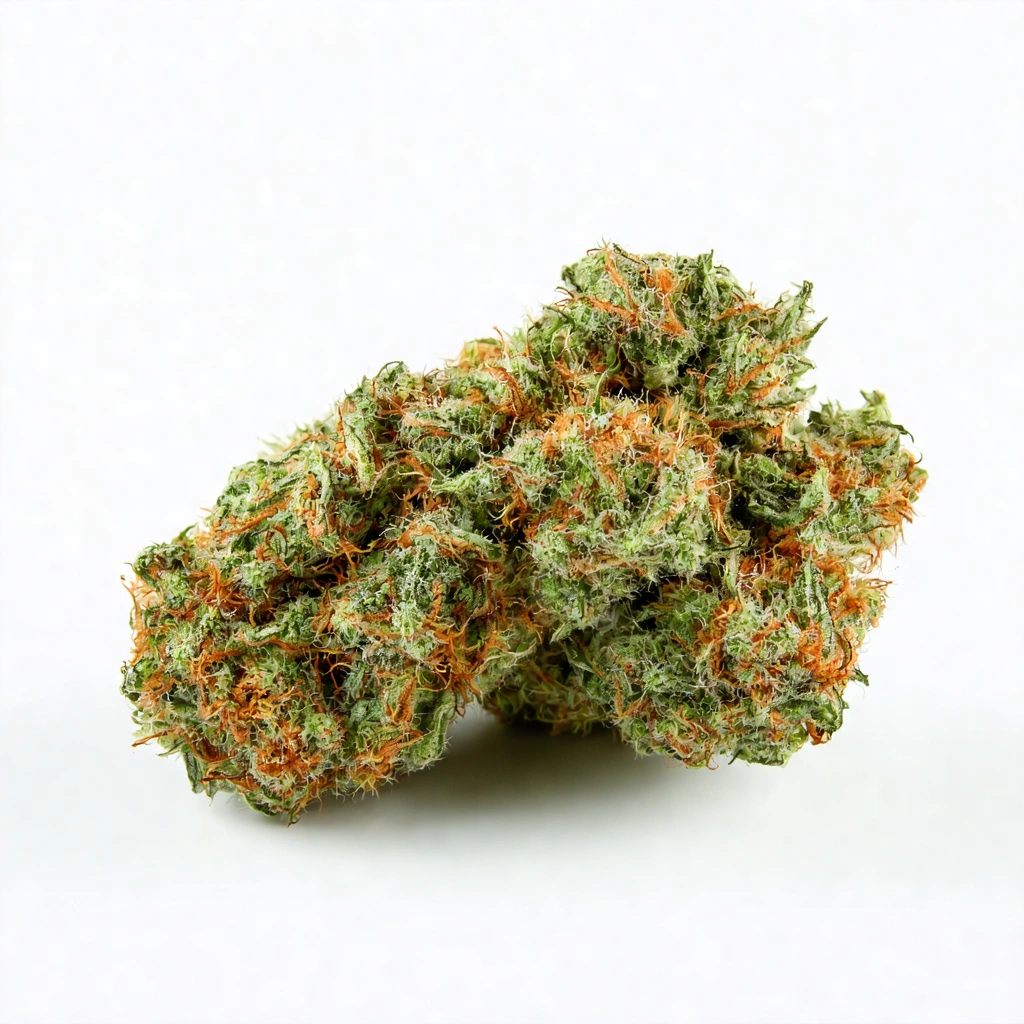
Auto Zkittlez is an indica-dominant hybrid with a 60% indica and 40% sativa split. THC levels typically range from 16-25%, with most sources citing around 23% THC. The flowers feature dense, light green, rounded buds with continuous reddish-orange hairs, producing an intense terpene profile that creates a deliciously pleasant blend of sweet citrus fruits and tropical candy flavors. The strain completes its lifecycle in 65-70 days from germination and can yield 450-550 grams per square meter indoors and up to 150 grams per plant outdoors.
What are the effects of Auto Zkittlez?
What are the medical benefits of Auto Zkittlez?
- Users report relief from stress
- May help with anxiety
- Often used for pain management
- Potentially aids with insomnia
This is not medical advice. Consult a healthcare professional.
What are the side effects of Auto Zkittlez?
- 💧 Dry Mouth
- 👁️ Dry Eyes
- Dry mouth
- Dry eyes
- Possible anxiety in sensitive users
How do you grow Auto Zkittlez?
Auto Zkittlez is easy to grow and suitable for beginners. Plants complete their lifecycle in 65-70 days from germination with a flowering period of 8-10 weeks. Indoor plants reach 70-100cm in height while outdoor plants can grow 100-150cm. Expected yields are 450-550 grams per square meter indoors and up to 150 grams per plant outdoors. Indoor cultivation requires plenty of fresh air and cooler temperatures around 20-24°C. The strain is nutrient-hungry and responds well to high-quality nutrients. Impressive resin production requires carbon filtration for indoor grows due to the strong aroma. Plants respond well to LST (Low Stress Training) and other light training methods.
How should you use Auto Zkittlez?
Auto Zkittlez is a hybrid strain with 25.0% THC, which is considered high potency. As a hybrid, it offers versatility for both daytime and evening use.
Beginners
Start with 1-2 small inhalations or 2.5-5mg if using edibles. Wait 15 minutes before taking more. This strain is potent — start very low.
Regular Users
A standard session of 3-5 inhalations or 5-15mg edible dose. Effects typically onset within 5-15 minutes when inhaled, 30-90 minutes for edibles.
Experienced Users
Adjust to personal tolerance. At 25.0% THC, even experienced users should respect this strain's potency.
Start low and go slow. This is not medical advice — consult a healthcare professional before using cannabis.
What is the genetic lineage of Auto Zkittlez?
What are Auto Zkittlez's parent strains?
Frequently Asked Questions
How does Auto Zkittlez make you feel?
Auto Zkittlez is a hybrid strain that primarily produces happy effects, followed by relaxed. Users report the dominant effect at 85% intensity. With 25.0% THC, this strain is considered potent and best suited for experienced users.
Is Auto Zkittlez good for medical use?
Auto Zkittlez has been reported by users for users report relief from stress, may help with anxiety, often used for pain management, potentially aids with insomnia. As a hybrid, it offers a balanced profile that may work throughout the day.
This is not medical advice. Consult a healthcare professional.
Are there side effects with Auto Zkittlez?
Some users have reported dry mouth, dry eyes, dry mouth, dry eyes, possible anxiety in sensitive users when using Auto Zkittlez. Starting with a low dose and staying hydrated can help minimize these effects.
What does Auto Zkittlez taste and smell like?
Auto Zkittlez features a flavor profile of berry, candy, citrus, fruity, sweet, tropical. The dominant terpenes are Myrcene and Limonene, which contribute to its distinctive aroma.
What do users say about Auto Zkittlez?
Log in to write a review.
No reviews yet. Be the first to review Auto Zkittlez!
What does the research say about Auto Zkittlez?
Auto Zkittlez is a hybrid cannabis strain containing up to 25.0% THC, with a terpene profile dominated by Myrcene and Limonene. Below are authoritative resources for understanding the compounds in this strain.
Cannabinoid Information
Cannabis Regulations & Safety
What strains are similar to Auto Zkittlez?
#1 Stunna
HybridTHC: 20.0% - 30.0%
#41 Zi
HybridTHC: Unknown
$.i.N.G
HybridTHC: 18.0% - 24.0%
'78 LA OG Affie
HybridTHC: 22.0% - 23.0%
'78 Skunk 'D' x Gorilla Grape
HybridTHC: Unknown
'78 Skunk 'M' x Gorilla Grape
HybridTHC: Unknown
'87 Firebird
HybridTHC: 18.0% - 23.0%
'98 Aloha White Widow
HybridTHC: 20.0% - 25.0%