Bacio Belts
Bacio Belts
Also known as: Bacio Belts #21
What is the Bacio Belts strain?
Bacio Belts is a hybrid cannabis strain with up to 30.0% THC, known for its relaxed effects and berry and candy flavor profile.
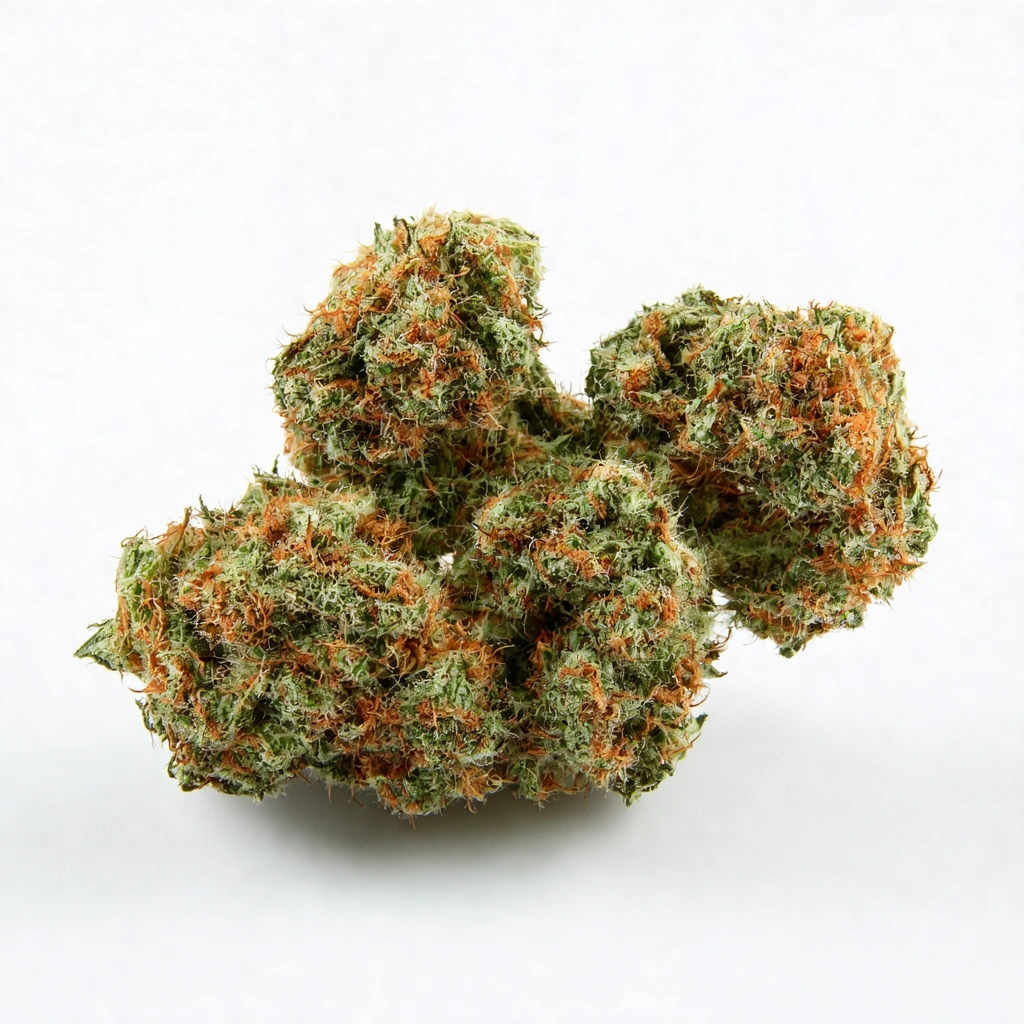
Bacio Belts is a modern hybrid strain created by crossing Gelato 41 (also known as Bacio Gelato) with Rainbow Belts 2.0. This dessert-forward hybrid emerged from the 2018-2023 era of West Coast breeding, representing a deliberate fusion of gas, cream, and fruit-candy aromatics into a single, high-potency package. The strain was developed by Raw Genetics in collaboration with Zephyr Seeds and quickly gained traction across California, Oregon, and Nevada dispensaries before spreading nationally through clone exchanges and limited seed drops. Bacio Belts is an indica-dominant hybrid with approximately 70% indica and 30% sativa genetics, delivering a balanced combination of relaxing body effects with uplifting cerebral stimulation. The strain produces dense, frosty buds with vibrant colors ranging from light green to deep purple, showcasing the heavy resin production that makes it popular among both recreational users and hash makers. Its lineage traces back to legendary strains including Sunset Sherbet, Thin Mint Cookies, Moonbow, and Original Z, creating a genetic foundation that emphasizes both potency and flavor complexity.
What are the effects of Bacio Belts?
What are the medical benefits of Bacio Belts?
- Users report relief from stress and anxiety
- May help with chronic pain management
- Often used for insomnia and sleep onset
- Users report appetite stimulation
- May help with depression and mood disorders
- Often used for tension and inflammation relief
This is not medical advice. Consult a healthcare professional.
What are the side effects of Bacio Belts?
- 💧 Dry Mouth
- 👁️ Dry Eyes
- 😰 Anxiety
- Dry mouth
- Dry eyes
- Possible anxiety in high doses
- May cause couch lock at higher doses
- Potential dizziness for inexperienced users
How do you grow Bacio Belts?
Bacio Belts is considered a moderate difficulty strain suitable for both novice and experienced growers. Indoor flowering time ranges from 8-9 weeks (56-63 days), while outdoor harvest typically occurs in late September to early October. The strain can be cultivated both indoors and outdoors, with indoor yields averaging 450-600 grams per square meter and outdoor plants capable of producing up to 3kg per plant under optimal conditions. Plants develop into tall, robust structures with strong horizontal branches and tight nodal spacing. During vegetation, growth is initially slow and stocky, but the strain exhibits significant stretch during flowering. Dense, resinous buds form at branch tips, requiring support systems like trellising or stakes to prevent branch breakage. The strain thrives in various climates and shows good resistance to common pests and diseases. Growers should maintain proper light exposure, moderate humidity levels, and provide adequate nutrition, particularly nitrogen during vegetative growth.
How should you use Bacio Belts?
Bacio Belts is a hybrid strain with 30.0% THC, which is considered high potency. As a hybrid, it offers versatility for both daytime and evening use.
Beginners
Start with 1-2 small inhalations or 2.5-5mg if using edibles. Wait 15 minutes before taking more. This strain is potent — start very low.
Regular Users
A standard session of 3-5 inhalations or 5-15mg edible dose. Effects typically onset within 5-15 minutes when inhaled, 30-90 minutes for edibles.
Experienced Users
Adjust to personal tolerance. At 30.0% THC, even experienced users should respect this strain's potency.
Start low and go slow. This is not medical advice — consult a healthcare professional before using cannabis.
What is the genetic lineage of Bacio Belts?
What are Bacio Belts's parent strains?
What strains were bred from Bacio Belts?
Frequently Asked Questions
How does Bacio Belts make you feel?
Bacio Belts is a hybrid strain that primarily produces relaxed effects, followed by euphoric. Users report the dominant effect at 85% intensity. With 30.0% THC, this strain is considered potent and best suited for experienced users.
Is Bacio Belts good for medical use?
Bacio Belts has been reported by users for users report relief from stress and anxiety, may help with chronic pain management, often used for insomnia and sleep onset, users report appetite stimulation, may help with depression and mood disorders, often used for tension and inflammation relief. As a hybrid, it offers a balanced profile that may work throughout the day.
This is not medical advice. Consult a healthcare professional.
Are there side effects with Bacio Belts?
Some users have reported dry mouth, dry eyes, anxiety, dry mouth, dry eyes, possible anxiety in high doses, may cause couch lock at higher doses, potential dizziness for inexperienced users when using Bacio Belts. Starting with a low dose and staying hydrated can help minimize these effects.
What does Bacio Belts taste and smell like?
Bacio Belts features a flavor profile of berry, candy, citrus, creamy, diesel, gelato, hash, sweet. The dominant terpenes are Limonene and Linalool, which contribute to its distinctive aroma.
What do users say about Bacio Belts?
Log in to write a review.
No reviews yet. Be the first to review Bacio Belts!
What does the research say about Bacio Belts?
Bacio Belts is a hybrid cannabis strain containing up to 30.0% THC, with a terpene profile dominated by Limonene and Linalool. Below are authoritative resources for understanding the compounds in this strain.
Terpene Research
Cannabinoid Information
Cannabis Regulations & Safety
What strains are similar to Bacio Belts?
#1 Stunna
HybridTHC: 20.0% - 30.0%
#41 Zi
HybridTHC: Unknown
$.i.N.G
HybridTHC: 18.0% - 24.0%
'78 LA OG Affie
HybridTHC: 22.0% - 23.0%
'78 Skunk 'D' x Gorilla Grape
HybridTHC: Unknown
'78 Skunk 'M' x Gorilla Grape
HybridTHC: Unknown
'87 Firebird
HybridTHC: 18.0% - 23.0%
'98 Aloha White Widow
HybridTHC: 20.0% - 25.0%