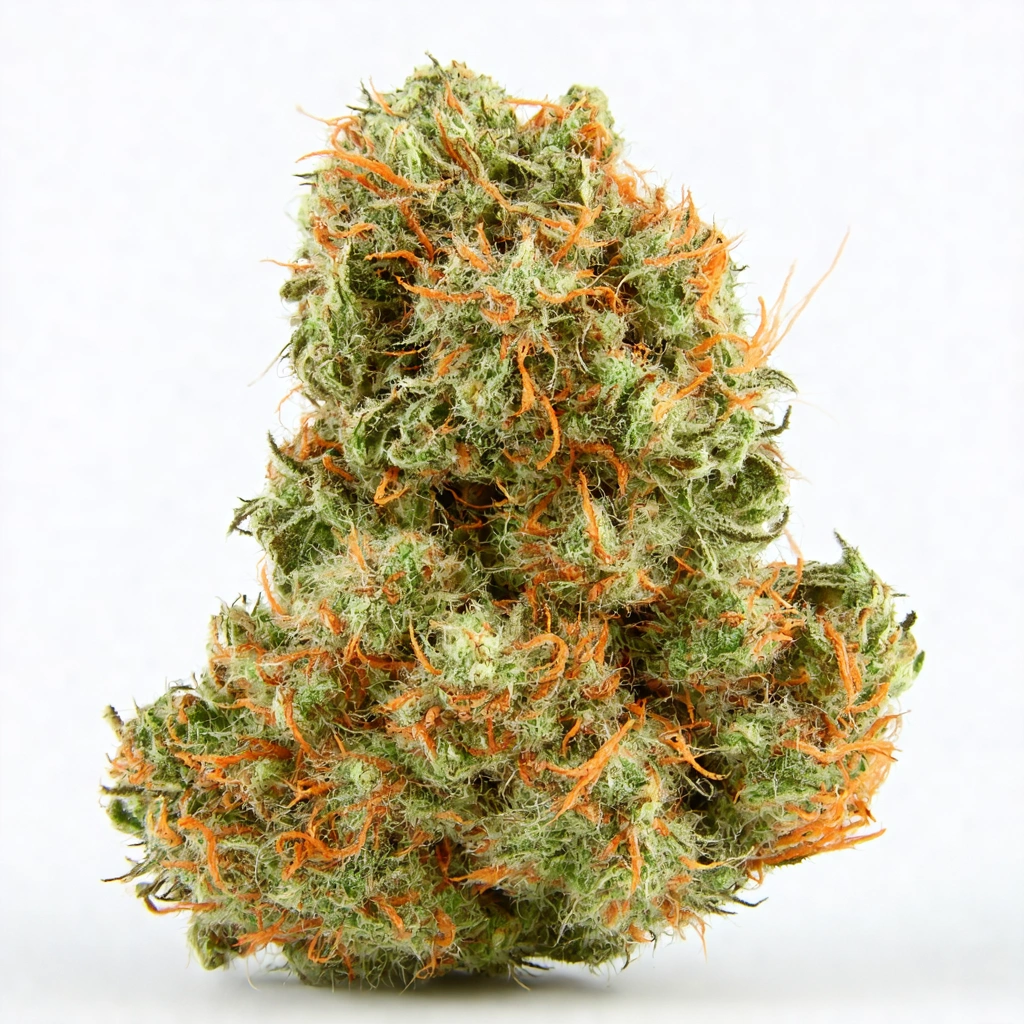
Baglung Nepalese
Baglung Nepalese
Also known as: Nepalese Baglung, Baglung Nepali, Nepali
What is the Baglung Nepalese strain?
Baglung Nepalese is a sativa cannabis strain with up to 14.0% THC, known for its euphoric effects and berry and citrus flavor profile.
Baglung Nepalese is a pure sativa landrace strain originating from the Baglung region of central-western Nepal, situated between 1,000 and 2,000 meters elevation in the mid-Himalayas. This hardy, genetically stable cannabis variety evolved over generations through natural selection and centuries of local cultivation in harsh mountainous conditions characterized by terraced mountain slopes, strong monsoon winds, and cool nights. The strain was traditionally used in the production of hand-rolled charas and has been a cultural center of traditional Nepali cannabis use for centuries. The original line was documented in the early 2000s by the Swiss breeding group Blue Hemp, who adapted it to northern climates through careful cultivation under controlled conditions in the Alpine region. The strain was later preserved and reproduced by various collectives including Derg Corra Collective (through Bald Monkey in Denmark) and further developed by Magic Herbs over five generations of outdoor cultivation at 48.5°N latitude. Modern versions are maintained through careful selection and controlled backcrossing to preserve genetic integrity while enhancing adaptation to European growing conditions.
What are the effects of Baglung Nepalese?
What are the medical benefits of Baglung Nepalese?
- Users report relief from chronic fatigue
- May help with depression
- Often used for stress and anxiety management
- Users report benefit for headaches and migraines
This is not medical advice. Consult a healthcare professional.
What are the side effects of Baglung Nepalese?
- 💧 Dry Mouth
- 👁️ Dry Eyes
- Dry mouth
- Dry eyes
- Possible anxiety in sensitive users
How do you grow Baglung Nepalese?
Baglung Nepalese is considered an excellent outdoor strain with exceptional cold and mold resistance. Plants grow tall and slender, reaching heights of 1.5-2.5 meters (up to 4 meters when planted in May) with moderate internodes and strong side branching. Flowering begins mid-August to early September (male plants may start in July at 52°N) with a flowering period of 8-12 weeks (60-70 days), typically finishing mid-September to early October, making it ideal for avoiding early frosts. The strain is particularly suitable for outdoor cultivation in cooler northern climates and shows remarkable vigor and resilience. Indoor cultivation is possible but may show slower initial growth under artificial light. Plants develop loose, finger-shaped floral structures typical of highland sativas and can display beautiful color variations from deep green to purple and pink phenotypes, especially under cooler temperatures. Regular, non-feminized seeds only.
How should you use Baglung Nepalese?
Baglung Nepalese is a sativa strain with 14.0% THC, which is low potency. As a sativa, it works well for daytime activities and creative sessions.
Beginners
Start with 1-2 small inhalations or 2.5-5mg if using edibles. Wait 15 minutes before taking more.
Regular Users
A standard session of 3-5 inhalations or 5-15mg edible dose. Effects typically onset within 5-15 minutes when inhaled, 30-90 minutes for edibles.
Experienced Users
Adjust to personal tolerance. Moderate doses should provide a satisfying experience.
Start low and go slow. This is not medical advice — consult a healthcare professional before using cannabis.
Frequently Asked Questions
How does Baglung Nepalese make you feel?
Baglung Nepalese is a sativa strain that primarily produces euphoric effects, followed by energetic. Users report the dominant effect at 80% intensity. With 14.0% THC, this strain is mild and beginner-friendly.
Is Baglung Nepalese good for medical use?
Baglung Nepalese has been reported by users for users report relief from chronic fatigue, may help with depression, often used for stress and anxiety management, users report benefit for headaches and migraines. As a sativa strain, it may be suitable for daytime use while managing symptoms.
This is not medical advice. Consult a healthcare professional.
Are there side effects with Baglung Nepalese?
Some users have reported dry mouth, dry eyes, dry mouth, dry eyes, possible anxiety in sensitive users when using Baglung Nepalese. Starting with a low dose and staying hydrated can help minimize these effects.
What does Baglung Nepalese taste and smell like?
Baglung Nepalese features a flavor profile of berry, citrus, fruity, herbal, strawberry, sweet. The dominant terpenes are Limonene and Pinene, which contribute to its distinctive aroma.
What do users say about Baglung Nepalese?
Log in to write a review.
No reviews yet. Be the first to review Baglung Nepalese!
What does the research say about Baglung Nepalese?
Baglung Nepalese is a sativa cannabis strain containing up to 14.0% THC, with a terpene profile dominated by Limonene and Pinene. Below are authoritative resources for understanding the compounds in this strain.