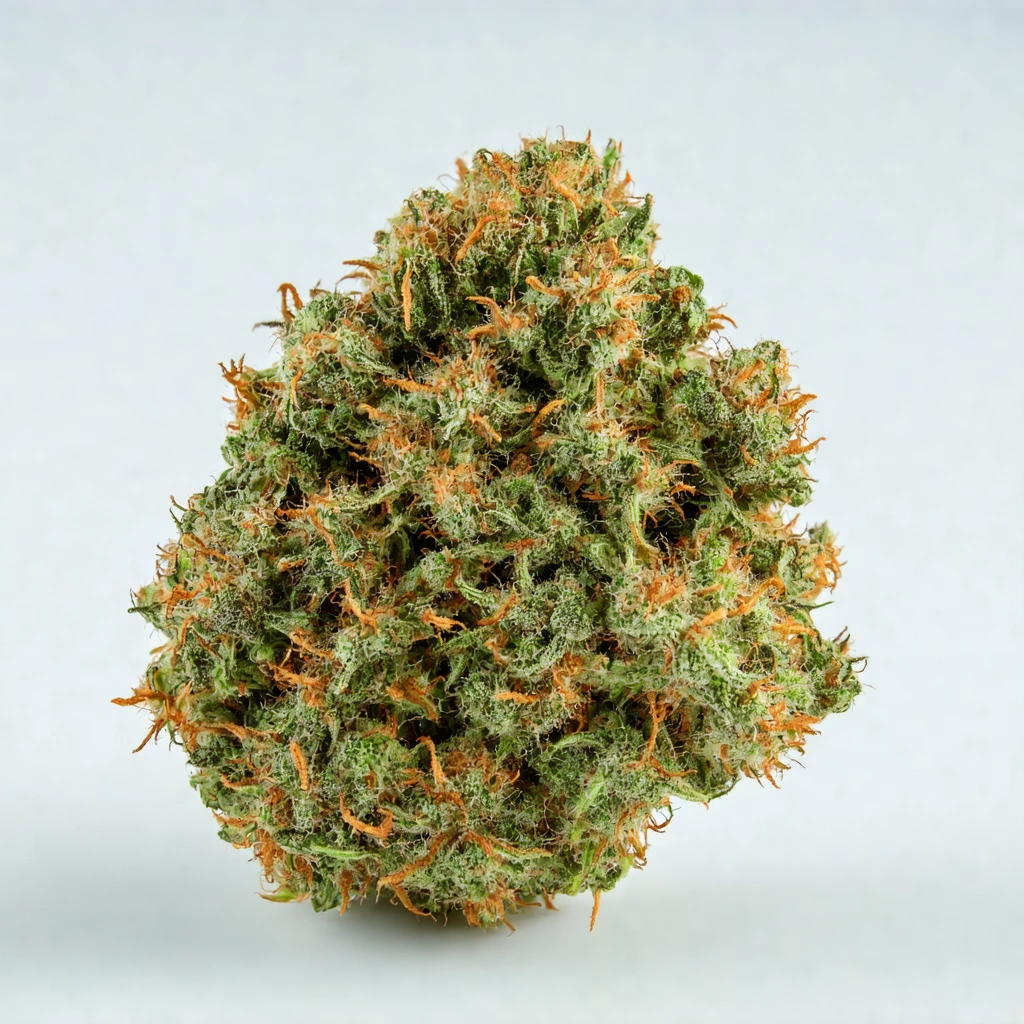
Banana Haze
Banana Haze
Also known as: Antenna Banana Haze, Old School Genetics Banana Haze
What is the Banana Haze strain?
Banana Haze is a sativa cannabis strain with up to 24.0% THC, known for its happy effects and banana and citrus flavor profile.
Banana Haze is a predominantly sativa cannabis strain that represents a masterful fusion of classic Haze genetics with tropical banana-forward aromatics. This strain emerged as a targeted breeding project to combine the candy-like banana notes and creamy tropical sweetness of Banana-family genetics with the bright, cerebral effects of traditional Haze varieties. The strain showcases the evolution of modern cannabis breeding, merging time-tested sativa characteristics with innovative flavor profiles. Banana Haze exhibits small, dense cone-shaped buds with bright neon green coloration, sparse orange hairs, and a thick coating of frosty white crystal trichomes. The strain's resin-rich appearance sparkles under light, contributing to its appeal on both aesthetic and functional levels. Its complex terpene architecture centers around limonene, myrcene, caryophyllene, and terpinolene, creating a multifaceted aroma profile that balances sweet banana essence with citrus, herbs, pepper, and floral high-notes. Because Banana Haze is not standardized by a single breeder, exact specifications can vary by phenotype and seed line, though its consistent reputation for potency and flavor remains across different expressions.
What are the effects of Banana Haze?
What are the medical benefits of Banana Haze?
- Users report relief from chronic pain
- May help with inflammation
- Often used for gastrointestinal disorders
- Users report appetite stimulation
- May help with depression symptoms
- Often used for stress relief
This is not medical advice. Consult a healthcare professional.
What are the side effects of Banana Haze?
- 💧 Dry Mouth
- 👁️ Dry Eyes
- 😰 Anxiety
- Dry mouth
- Dry eyes
- Possible anxiety in sensitive users
- Potential jitters if combined with caffeine
How do you grow Banana Haze?
Banana Haze can be cultivated both indoors and outdoors with a flowering time of approximately 9-11 weeks (63-77 days), with some Haze-leaning phenotypes requiring up to 12 weeks. Indoor yields typically range from 450-600 g/m² in soil and 500-700 g/m² in hydroponic setups with CO2 enrichment. Outdoor cultivation in warm, dry climates can produce 500-900 grams per plant, with larger trained plants potentially exceeding 1 kg in long-season regions. The strain shows vigorous vegetative growth with medium internodal spacing and significant stretch during the flowering transition. It performs well in controlled indoor environments where temperature, humidity, and light intensity can be optimized for maximum resin and terpene production. Preventive integrated pest management is recommended due to the longer flowering windows in some phenotypes.
How should you use Banana Haze?
Banana Haze is a sativa strain with 24.0% THC, which is moderate potency. As a sativa, it works well for daytime activities and creative sessions.
Beginners
Start with 1-2 small inhalations or 2.5-5mg if using edibles. Wait 15 minutes before taking more. This strain is potent — start very low.
Regular Users
A standard session of 3-5 inhalations or 5-15mg edible dose. Effects typically onset within 5-15 minutes when inhaled, 30-90 minutes for edibles.
Experienced Users
Adjust to personal tolerance. Moderate doses should provide a satisfying experience.
Start low and go slow. This is not medical advice — consult a healthcare professional before using cannabis.
What is the genetic lineage of Banana Haze?
What are Banana Haze's parent strains?
What strains were bred from Banana Haze?
Frequently Asked Questions
How does Banana Haze make you feel?
Banana Haze is a sativa strain that primarily produces happy effects, followed by euphoric. Users report the dominant effect at 85% intensity. With 24.0% THC, this strain is moderately strong and suitable for regular consumers.
Is Banana Haze good for medical use?
Banana Haze has been reported by users for users report relief from chronic pain, may help with inflammation, often used for gastrointestinal disorders, users report appetite stimulation, may help with depression symptoms, often used for stress relief. As a sativa strain, it may be suitable for daytime use while managing symptoms.
This is not medical advice. Consult a healthcare professional.
Are there side effects with Banana Haze?
Some users have reported dry mouth, dry eyes, anxiety, dry mouth, dry eyes, possible anxiety in sensitive users, potential jitters if combined with caffeine when using Banana Haze. Starting with a low dose and staying hydrated can help minimize these effects.
What does Banana Haze taste and smell like?
Banana Haze features a flavor profile of banana, citrus, earthy, herbal, spicy, tropical. The dominant terpenes are Limonene and Myrcene, which contribute to its distinctive aroma.
What do users say about Banana Haze?
Log in to write a review.
No reviews yet. Be the first to review Banana Haze!
What does the research say about Banana Haze?
Banana Haze is a sativa cannabis strain containing up to 24.0% THC, with a terpene profile dominated by Limonene and Myrcene. Below are authoritative resources for understanding the compounds in this strain.