Berkeley
Berkeley
Also known as: Berkley
What is the Berkeley strain?
Berkeley is a sativa cannabis strain with up to 28.0% THC, known for its focused effects and herbal and spicy flavor profile.
Berkeley is a 100% pure sativa strain with unknown parentage due to breeder secrecy and an intensely high THC level ranging from 24-28% on average. It is rumored that this strain was created as an incredibly successful botany project of a student at Berkeley before spreading throughout the area, while another account suggests Berkeley is originally from an individual with cancer who worked on a science project at Berkeley University, or so the legend goes. The strain has been developed by Stoney Girl Gardens and has gained recognition as the Mother of almost everything we make, indicating its importance as a foundational breeding strain.
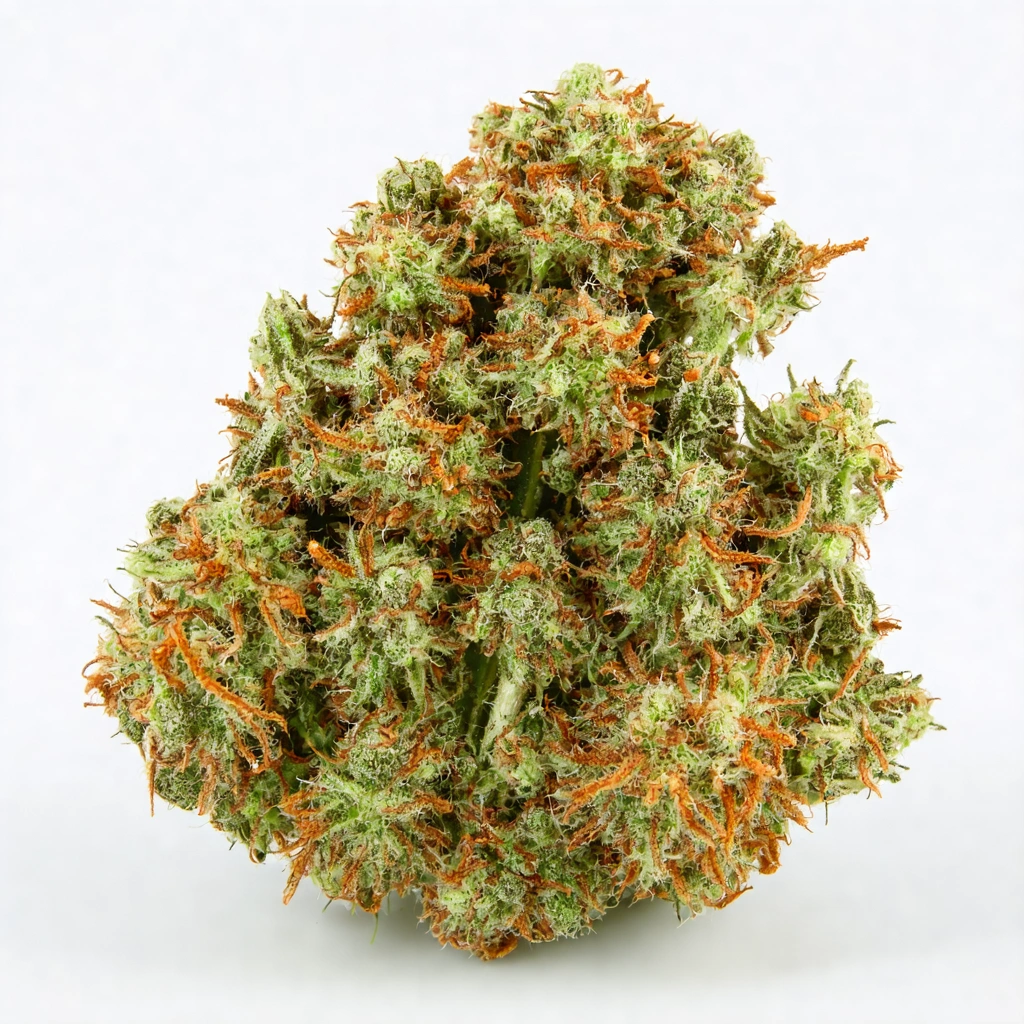
Visually, Berkeley buds have dense round nugs that are dark olive green with minty green patches and dark leaves. These nugs are covered in thick twisty fiery orange hairs and a fine layer of milky white trichomes and syrupy sweet resin. The strain presents an aroma of sweet spicy herbs with a savory hint and a taste of sweet herbal tea with a peppery spicy aftertaste upon exhale. Berkeley is notable for its very light flavor with very strong effects, making it a particularly potent option despite its subtle taste profile.
What are the effects of Berkeley?
What are the medical benefits of Berkeley?
- Users report excellent focus enhancement
- May help with appetite stimulation
- Often used for pain relief
- Users report anti-nausea effects
- May help with cancer treatment side effects
- Often used for morning medication
This is not medical advice. Consult a healthcare professional.
What are the side effects of Berkeley?
- 🤢 Nausea
- Dry mouth
- Dry eyes
- Possible anxiety in sensitive users
How do you grow Berkeley?
Berkeley is mostly sativa and can be cultivated indoors, outdoors, and in greenhouse settings with a flowering time of approximately 42 days (6 weeks). The strain is described as fast flowering and easy to grow, though it can be tough to clone. Berkeley performs well as a mother plant for breeding purposes and is suitable for experienced growers. The short flowering period makes it efficient for commercial cultivation, and it adapts well to various growing environments.
How should you use Berkeley?
Berkeley is a sativa strain with 28.0% THC, which is considered high potency. As a sativa, it works well for daytime activities and creative sessions.
Beginners
Start with 1-2 small inhalations or 2.5-5mg if using edibles. Wait 15 minutes before taking more. This strain is potent — start very low.
Regular Users
A standard session of 3-5 inhalations or 5-15mg edible dose. Effects typically onset within 5-15 minutes when inhaled, 30-90 minutes for edibles.
Experienced Users
Adjust to personal tolerance. At 28.0% THC, even experienced users should respect this strain's potency.
Start low and go slow. This is not medical advice — consult a healthcare professional before using cannabis.
What is the genetic lineage of Berkeley?
What strains were bred from Berkeley?
Frequently Asked Questions
How does Berkeley make you feel?
Berkeley is a sativa strain that primarily produces focused effects, followed by energetic. Users report the dominant effect at 85% intensity. With 28.0% THC, this strain is considered potent and best suited for experienced users.
Is Berkeley good for medical use?
Berkeley has been reported by users for users report excellent focus enhancement, may help with appetite stimulation, often used for pain relief, users report anti-nausea effects, may help with cancer treatment side effects, often used for morning medication. As a sativa strain, it may be suitable for daytime use while managing symptoms.
This is not medical advice. Consult a healthcare professional.
Are there side effects with Berkeley?
Some users have reported nausea, dry mouth, dry eyes, possible anxiety in sensitive users when using Berkeley. Starting with a low dose and staying hydrated can help minimize these effects.
What does Berkeley taste and smell like?
Berkeley features a flavor profile of herbal, spicy, sweet. The dominant terpenes are Myrcene and Limonene, which contribute to its distinctive aroma.
What do users say about Berkeley?
Log in to write a review.
No reviews yet. Be the first to review Berkeley!
What does the research say about Berkeley?
Berkeley is a sativa cannabis strain containing up to 28.0% THC, with a terpene profile dominated by Myrcene and Limonene. Below are authoritative resources for understanding the compounds in this strain.