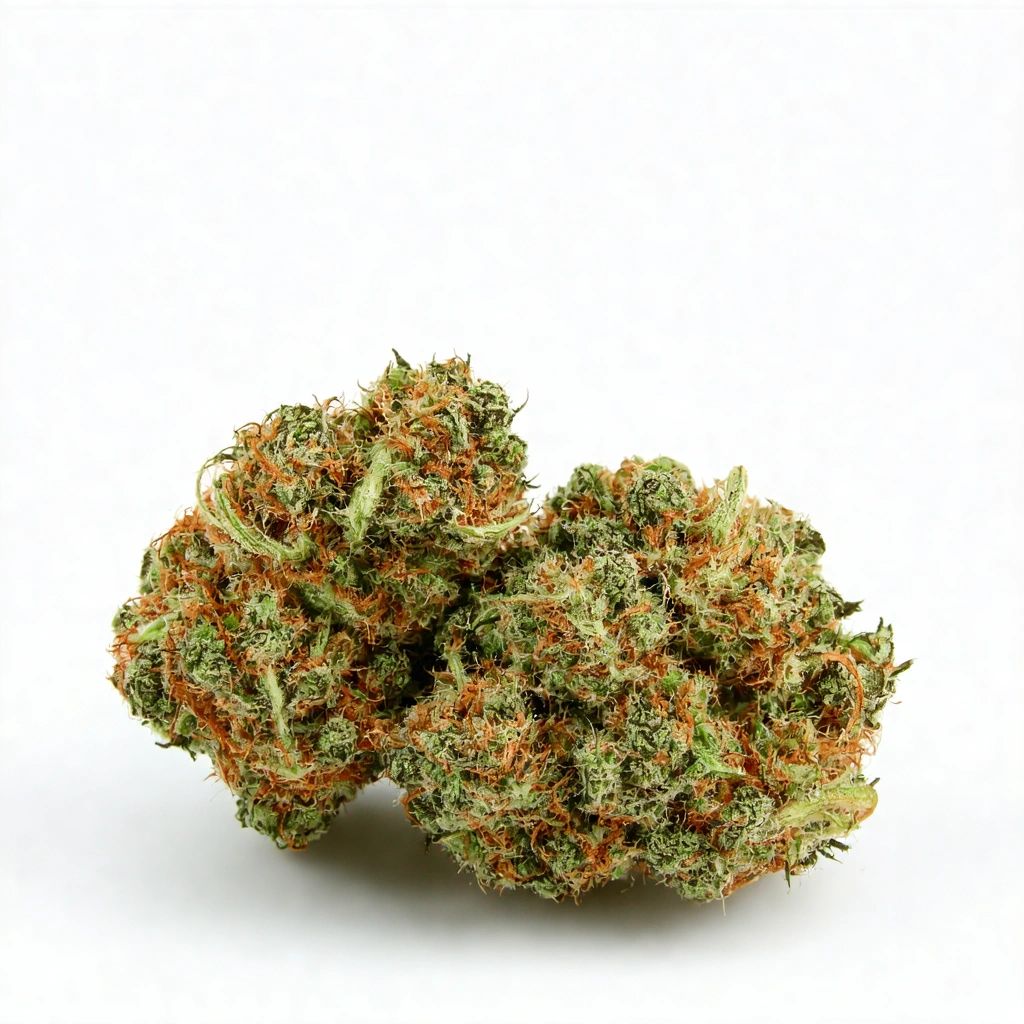
Betsy
Betsy
Also known as: Betsey, Betsie, Old Betsy, Ole Betsy
What is the Betsy strain?
Betsy is a hybrid cannabis strain with up to 21.0% THC, known for its cerebral effects and earthy and mango flavor profile.
Betsy, also known as "Betsey" or "Betsie," is an old school San Diego sativa dominant hybrid strain that is thought to be a descendant of Hogsbreath, although nobody really knows for sure. Old Betsy is an old-school San Diego Sativa hybrid. It was brought to Humboldt County in early 2000 by an OG Overgrow member: Budular. The strain emerged during the late 1990s and early 2000s in North County San Diego, becoming a legendary regional favorite among cannabis enthusiasts. It was one of the top favorites back in the end of the 90s, early 2000, up in north county san Diego.
The original Hawgbreath plant had the genetics that come from a Williams Wonder father and a Northern Lights #5 mother. While Betsy's exact genetic lineage remains uncertain, its suspected connection to Hawgsbreath suggests it may share similar indica-leaning genetics with sativa influences. Betsy is an mostly sativa from 707 Seed Bank and can be cultivated indoors and outdoors (Where the plants will need a flowering time of ±56 days). The strain has gained legendary status among collectors and connoisseurs, with many considering it one of the finest examples of old-school California cannabis genetics. Despite its regional popularity, Betsy remains relatively rare and is primarily available through specialized seed banks and clone-only sources.
What are the effects of Betsy?
What are the medical benefits of Betsy?
- Users report relief from chronic pain
- May help with migraines and headaches
- Often used for chronic stress and anxiety
- May assist with appetite loss
This is not medical advice. Consult a healthcare professional.
What are the side effects of Betsy?
- 💧 Dry Mouth
- 👁️ Dry Eyes
- Dry mouth
- Dry eyes
- Possible dizziness in high doses
How do you grow Betsy?
Betsy can be cultivated indoors and outdoors with a flowering time of approximately 56 days. The strain has some growing challenges including a massive tendency to powdery mildew and produces super leafy buds. This makes it more suitable for experienced growers who can manage humidity and provide proper air circulation. The plant tends to be moderately difficult to grow due to its susceptibility to mold and mildew. Indoor cultivation allows for better environmental control, while outdoor growing requires careful attention to humidity levels. Expected yields are moderate, and the strain benefits from regular pruning due to its leafy nature. Growers should be prepared for a longer trimming process and may need to implement preventative measures against powdery mildew throughout the growing cycle.
How should you use Betsy?
Betsy is a hybrid strain with 21.0% THC, which is moderate potency. As a hybrid, it offers versatility for both daytime and evening use.
Beginners
Start with 1-2 small inhalations or 2.5-5mg if using edibles. Wait 15 minutes before taking more. This strain is potent — start very low.
Regular Users
A standard session of 3-5 inhalations or 5-15mg edible dose. Effects typically onset within 5-15 minutes when inhaled, 30-90 minutes for edibles.
Experienced Users
Adjust to personal tolerance. Moderate doses should provide a satisfying experience.
Start low and go slow. This is not medical advice — consult a healthcare professional before using cannabis.
What is the genetic lineage of Betsy?
What strains were bred from Betsy?
Frequently Asked Questions
How does Betsy make you feel?
Betsy is a hybrid strain that primarily produces cerebral effects, followed by happy. Users report the dominant effect at 90% intensity. With 21.0% THC, this strain is moderately strong and suitable for regular consumers.
Is Betsy good for medical use?
Betsy has been reported by users for users report relief from chronic pain, may help with migraines and headaches, often used for chronic stress and anxiety, may assist with appetite loss. As a hybrid, it offers a balanced profile that may work throughout the day.
This is not medical advice. Consult a healthcare professional.
Are there side effects with Betsy?
Some users have reported dry mouth, dry eyes, dry mouth, dry eyes, possible dizziness in high doses when using Betsy. Starting with a low dose and staying hydrated can help minimize these effects.
What does Betsy taste and smell like?
Betsy features a flavor profile of earthy, mango, skunk, spicy, sweet, tropical. The dominant terpenes are Myrcene and Limonene, which contribute to its distinctive aroma.
What do users say about Betsy?
Log in to write a review.
No reviews yet. Be the first to review Betsy!
What does the research say about Betsy?
Betsy is a hybrid cannabis strain containing up to 21.0% THC, with a terpene profile dominated by Myrcene and Limonene. Below are authoritative resources for understanding the compounds in this strain.
Cannabinoid Information
Cannabis Regulations & Safety
What strains are similar to Betsy?
#1 Stunna
HybridTHC: 20.0% - 30.0%
#41 Zi
HybridTHC: Unknown
$.i.N.G
HybridTHC: 18.0% - 24.0%
'78 LA OG Affie
HybridTHC: 22.0% - 23.0%
'78 Skunk 'D' x Gorilla Grape
HybridTHC: Unknown
'78 Skunk 'M' x Gorilla Grape
HybridTHC: Unknown
'87 Firebird
HybridTHC: 18.0% - 23.0%
'98 Aloha White Widow
HybridTHC: 20.0% - 25.0%