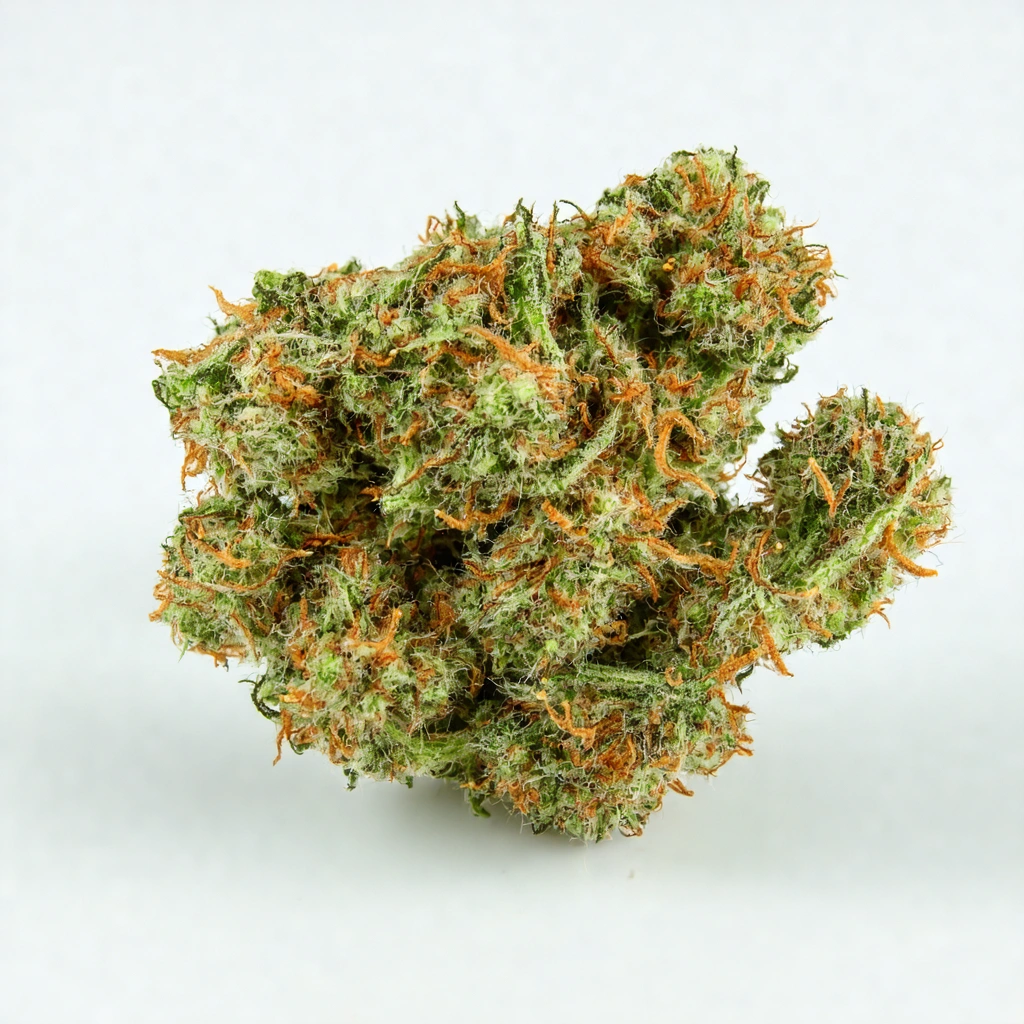
Big Island Poison
Big Island Poison
Also known as: Big Island Medicine
What is the Big Island Poison strain?
Big Island Poison is a sativa cannabis strain with up to 25.0% THC, known for its uplifted effects and earthy and fruity flavor profile.
Big Island Poison is a sativa-dominant cannabis strain developed by Pua Mana Pakalolo, representing the perfect blend of two famous landrace sativa strains from different continents. This hybrid combines the African genetics of Durban Poison with the Hawaiian heritage of Kona Gold, creating what breeders describe as a sativa lover's dream blessed with hybrid vigor. The strain originated from extensive F1 testing to stabilize the genetics, with breeders discovering that many plants exhibited 'The Blood' phenotype, a rare Hawaiian Bloodline characteristic that was popular in the 1970s.
Big Island Poison has earned the nickname 'Big Island Medicine' among Hawaiian growers due to its notable medicinal properties. The strain maintains the high THC and THCv content characteristic of both parent strains, making it particularly potent and effective. Despite its intimidating name, Big Island Poison functions as the opposite of harmful, serving as both recreational and medicinal cannabis. The strain reflects the rich cannabis cultivation heritage of Hawaii's Big Island, where volcanic soils and optimal growing conditions have produced some of the world's most renowned cannabis genetics.
What are the effects of Big Island Poison?
What are the medical benefits of Big Island Poison?
- Users report relief from stress and anxiety
- May help with depression symptoms
- Often used for chronic fatigue
- Users report help with mental clarity
- May assist with mood enhancement
This is not medical advice. Consult a healthcare professional.
What are the side effects of Big Island Poison?
- 💧 Dry Mouth
- 👁️ Dry Eyes
- Dry mouth
- Dry eyes
- Possible anxiety in high doses
- Potential for racing thoughts
How do you grow Big Island Poison?
Big Island Poison can be cultivated indoors, outdoors, or in greenhouse environments. The strain has a flowering time of approximately 70 days (10 weeks) and is considered moderately easy to grow due to its hardy landrace genetics. Plants tend to grow tall with typical sativa characteristics, requiring height management in indoor settings. The strain is well-adapted to hot, humid climates similar to its Hawaiian origins and benefits from ample sunlight. Growers should expect good yields with proper care and environmental control.
How should you use Big Island Poison?
Big Island Poison is a sativa strain with 25.0% THC, which is considered high potency. As a sativa, it works well for daytime activities and creative sessions.
Beginners
Start with 1-2 small inhalations or 2.5-5mg if using edibles. Wait 15 minutes before taking more. This strain is potent — start very low.
Regular Users
A standard session of 3-5 inhalations or 5-15mg edible dose. Effects typically onset within 5-15 minutes when inhaled, 30-90 minutes for edibles.
Experienced Users
Adjust to personal tolerance. At 25.0% THC, even experienced users should respect this strain's potency.
Start low and go slow. This is not medical advice — consult a healthcare professional before using cannabis.
What is the genetic lineage of Big Island Poison?
What are Big Island Poison's parent strains?
Frequently Asked Questions
How does Big Island Poison make you feel?
Big Island Poison is a sativa strain that primarily produces uplifted effects, followed by euphoric. Users report the dominant effect at 85% intensity. With 25.0% THC, this strain is considered potent and best suited for experienced users.
Is Big Island Poison good for medical use?
Big Island Poison has been reported by users for users report relief from stress and anxiety, may help with depression symptoms, often used for chronic fatigue, users report help with mental clarity, may assist with mood enhancement. As a sativa strain, it may be suitable for daytime use while managing symptoms.
This is not medical advice. Consult a healthcare professional.
Are there side effects with Big Island Poison?
Some users have reported dry mouth, dry eyes, dry mouth, dry eyes, possible anxiety in high doses, potential for racing thoughts when using Big Island Poison. Starting with a low dose and staying hydrated can help minimize these effects.
What does Big Island Poison taste and smell like?
Big Island Poison features a flavor profile of earthy, fruity, pine, sweet, tropical. The dominant terpenes are Terpinolene and Myrcene, which contribute to its distinctive aroma.
What do users say about Big Island Poison?
Log in to write a review.
No reviews yet. Be the first to review Big Island Poison!
What does the research say about Big Island Poison?
Big Island Poison is a sativa cannabis strain containing up to 25.0% THC, with a terpene profile dominated by Terpinolene and Myrcene. Below are authoritative resources for understanding the compounds in this strain.