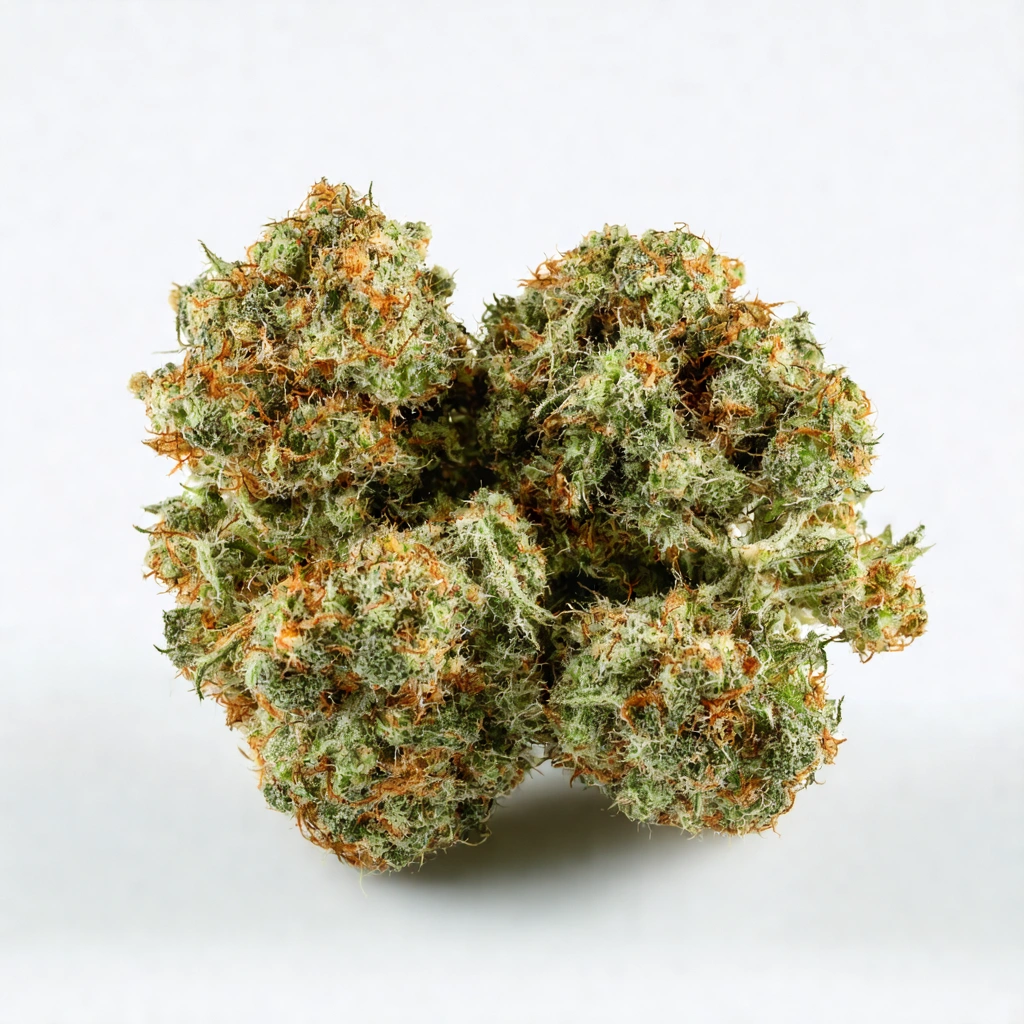
Big Sur Holy Weed
Big Sur Holy Weed
Also known as: Big Sur Holy Bud, Big Sur Holy, BSHW, BSHB
What is the Big Sur Holy Weed strain?
Big Sur Holy Weed is a hybrid cannabis strain with up to 26.0% THC, known for its euphoric effects and berry and earthy flavor profile.
Big Sur Holy Weed is a legendary sativa-dominant hybrid (approximately 70% sativa, 30% indica) that traces its mystical origins to the coastal mountains of Big Sur, California. The strain is shrouded in mystery, with its exact genetics remaining obscure, though it is believed to descend from Zacatecas Purple (a Mexican sativa landrace) and Afghani Skunk genetics. According to local legend, this strain was originally cultivated by monks in the hills of Big Sur during the 1960s counterculture movement, where it became a staple among cannabis enthusiasts and bohemians seeking spiritual enlightenment. The strain was later preserved and distributed by Bodhi Seeds, who received the genetics as a gift from an old grower in the Big Sur area. Big Sur Holy Weed features dense, resinous buds with a distinctive appearance characterized by purple and pink hues, orange to red pistils, and a thick coating of crystalline trichomes. The plant exhibits an indica-like structure despite its sativa dominance, making it well-suited for indoor cultivation while maintaining the energizing effects typical of sativa varieties.
What are the effects of Big Sur Holy Weed?
What are the medical benefits of Big Sur Holy Weed?
- Users report relief from depression
- May help with anxiety
- Often used for stress management
- May provide mild pain relief
- Used for fatigue and low energy
- Reported to help with PTSD symptoms
This is not medical advice. Consult a healthcare professional.
What are the side effects of Big Sur Holy Weed?
- 💧 Dry Mouth
- 👁️ Dry Eyes
- 😰 Anxiety
- Dry mouth
- Dry eyes
- Possible anxiety in high doses
- Mild paranoia in inexperienced users
How do you grow Big Sur Holy Weed?
Big Sur Holy Weed is considered moderately difficult to grow, requiring attention to detail and environmental controls. Indoor flowering time ranges from 8-10 weeks, with some phenotypes finishing earlier. The plant thrives in both indoor and outdoor environments, though indoor cultivation allows for better control of yields. Expected yields are 10-12 ounces per square meter indoors and up to 12 ounces per plant outdoors. The strain prefers coastal climates with moderately cool temperatures when grown outdoors, with outdoor harvest typically occurring in mid-October. Despite its sativa genetics, the plant exhibits an indica-like structure with dense bud formation. Growers should maintain optimal temperature ranges (70-80°F), proper humidity levels (50-60% vegetative, 40-50% flowering), and provide adequate lighting. The strain responds well to training techniques like topping and SCROG methods.
How should you use Big Sur Holy Weed?
Big Sur Holy Weed is a hybrid strain with 26.0% THC, which is considered high potency. As a hybrid, it offers versatility for both daytime and evening use.
Beginners
Start with 1-2 small inhalations or 2.5-5mg if using edibles. Wait 15 minutes before taking more. This strain is potent — start very low.
Regular Users
A standard session of 3-5 inhalations or 5-15mg edible dose. Effects typically onset within 5-15 minutes when inhaled, 30-90 minutes for edibles.
Experienced Users
Adjust to personal tolerance. At 26.0% THC, even experienced users should respect this strain's potency.
Start low and go slow. This is not medical advice — consult a healthcare professional before using cannabis.
What is the genetic lineage of Big Sur Holy Weed?
What strains were bred from Big Sur Holy Weed?
Frequently Asked Questions
How does Big Sur Holy Weed make you feel?
Big Sur Holy Weed is a hybrid strain that primarily produces euphoric effects, followed by happy. Users report the dominant effect at 85% intensity. With 26.0% THC, this strain is considered potent and best suited for experienced users.
Is Big Sur Holy Weed good for medical use?
Big Sur Holy Weed has been reported by users for users report relief from depression, may help with anxiety, often used for stress management, may provide mild pain relief, used for fatigue and low energy, reported to help with ptsd symptoms. As a hybrid, it offers a balanced profile that may work throughout the day.
This is not medical advice. Consult a healthcare professional.
Are there side effects with Big Sur Holy Weed?
Some users have reported dry mouth, dry eyes, anxiety, dry mouth, dry eyes, possible anxiety in high doses, mild paranoia in inexperienced users when using Big Sur Holy Weed. Starting with a low dose and staying hydrated can help minimize these effects.
What does Big Sur Holy Weed taste and smell like?
Big Sur Holy Weed features a flavor profile of berry, earthy, herbal, mint, pine, spicy, sweet. The dominant terpenes are Terpinolene and Myrcene, which contribute to its distinctive aroma.
What do users say about Big Sur Holy Weed?
Log in to write a review.
No reviews yet. Be the first to review Big Sur Holy Weed!
What does the research say about Big Sur Holy Weed?
Big Sur Holy Weed is a hybrid cannabis strain containing up to 26.0% THC, with a terpene profile dominated by Terpinolene and Myrcene. Below are authoritative resources for understanding the compounds in this strain.
Terpene Research
Cannabinoid Information
Cannabis Regulations & Safety
What strains are similar to Big Sur Holy Weed?
#1 Stunna
HybridTHC: 20.0% - 30.0%
#41 Zi
HybridTHC: Unknown
$.i.N.G
HybridTHC: 18.0% - 24.0%
'78 LA OG Affie
HybridTHC: 22.0% - 23.0%
'78 Skunk 'D' x Gorilla Grape
HybridTHC: Unknown
'78 Skunk 'M' x Gorilla Grape
HybridTHC: Unknown
'87 Firebird
HybridTHC: 18.0% - 23.0%
'98 Aloha White Widow
HybridTHC: 20.0% - 25.0%