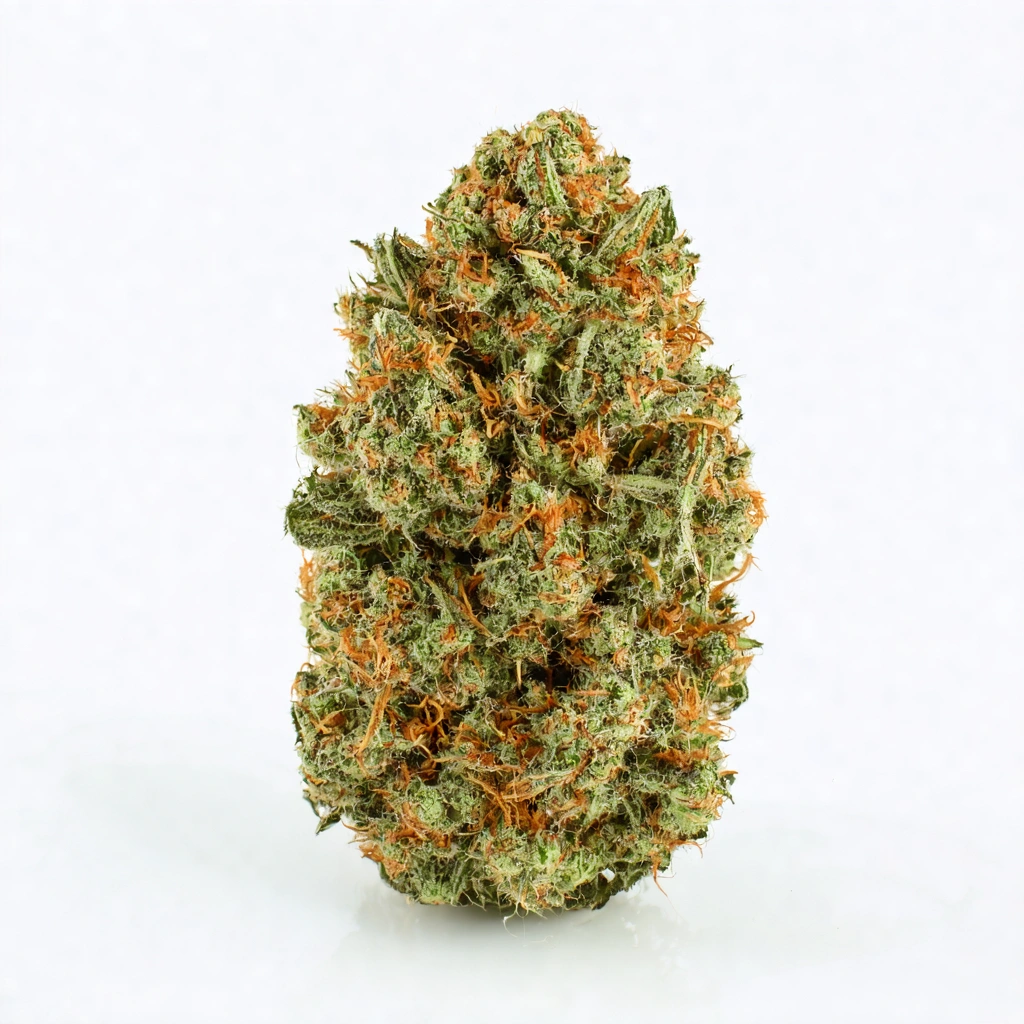
Bio Jesus
Bio Jesus
Also known as: Bio-Jesus, Cresco Bio Jesus
What is the Bio Jesus strain?
Bio Jesus is a hybrid cannabis strain with up to 32.0% THC, known for its relaxed effects and chemical and diesel flavor profile.
Bio Jesus is a hybrid cannabis strain first bred by Denver Relief Farms as a cross between Gumbo and Bio Diesel, later produced and popularized by Cresco Labs. Denver Relief was the original cultivator of Bio Jesus before they passed the torch on to Cresco Labs around 2015, when a partnership was formed that saw Cresco Labs taking on operations and earning the strain the name "Cresco Bio Jesus." While its genetic components are 50:50 indica to sativa, its anecdotally sedative effects paint Bio Jesus as a primarily indica-dominant hybrid. The strain is believed to be one of the most potent strains of cannabis, with THC levels ranging from 25-32%. The buds appear light green in compact, nugget-like shapes covered in orange hairs and crystallized trichomes, giving them an almost white appearance due to heavy trichome coverage. The name Bio Jesus doesn't carry religious symbolism but was simply chosen by Cresco Cannabis to reflect the strain's powerful therapeutic effects and healing properties.
What are the effects of Bio Jesus?
What are the medical benefits of Bio Jesus?
- Users report relief from chronic pain
- May help with insomnia and sleep disorders
- Often used for anxiety management
- Users report relief from muscle spasms
- May help with inflammation
- Often used for appetite stimulation
This is not medical advice. Consult a healthcare professional.
What are the side effects of Bio Jesus?
- 💧 Dry Mouth
- 👁️ Dry Eyes
- 😰 Anxiety
- Dry mouth
- Dry eyes
- Possible anxiety in high doses
- Potential couch-lock
- May cause paranoia in sensitive users
How do you grow Bio Jesus?
Bio Jesus is a finicky strain that requires precise humidity and pest and fungi monitoring, best left for intermediate to advanced cultivators. The strain flowers in 7-9 weeks indoors and yields 0.5-1 oz/ft² indoors, while outdoor plants can deliver up to 550 grams per plant or around 400 grams per plant with proper care. Plants typically stay between 3-4 feet tall indoors but can grow considerably tall reaching 6 feet or more when properly cared for outdoors. The strain is susceptible to fungi and overheating, requiring stable humidity levels, proper lighting, and good circulation to prevent heat stress. Outdoor harvest typically occurs in late September to early October. The strain grows well in warm, dry climates.
How should you use Bio Jesus?
Bio Jesus is a hybrid strain with 32.0% THC, which is considered high potency. As a hybrid, it offers versatility for both daytime and evening use.
Beginners
Start with 1-2 small inhalations or 2.5-5mg if using edibles. Wait 15 minutes before taking more. This strain is potent — start very low.
Regular Users
A standard session of 3-5 inhalations or 5-15mg edible dose. Effects typically onset within 5-15 minutes when inhaled, 30-90 minutes for edibles.
Experienced Users
Adjust to personal tolerance. At 32.0% THC, even experienced users should respect this strain's potency.
Start low and go slow. This is not medical advice — consult a healthcare professional before using cannabis.
What is the genetic lineage of Bio Jesus?
What are Bio Jesus's parent strains?
Frequently Asked Questions
How does Bio Jesus make you feel?
Bio Jesus is a hybrid strain that primarily produces relaxed effects, followed by sleepy. Users report the dominant effect at 90% intensity. With 32.0% THC, this strain is considered potent and best suited for experienced users.
Is Bio Jesus good for medical use?
Bio Jesus has been reported by users for users report relief from chronic pain, may help with insomnia and sleep disorders, often used for anxiety management, users report relief from muscle spasms, may help with inflammation, often used for appetite stimulation. As a hybrid, it offers a balanced profile that may work throughout the day.
This is not medical advice. Consult a healthcare professional.
Are there side effects with Bio Jesus?
Some users have reported dry mouth, dry eyes, anxiety, dry mouth, dry eyes, possible anxiety in high doses, potential couch-lock, may cause paranoia in sensitive users when using Bio Jesus. Starting with a low dose and staying hydrated can help minimize these effects.
What does Bio Jesus taste and smell like?
Bio Jesus features a flavor profile of chemical, diesel, earthy, pine, sweet. The dominant terpenes are Myrcene and Caryophyllene, which contribute to its distinctive aroma.
What do users say about Bio Jesus?
Log in to write a review.
No reviews yet. Be the first to review Bio Jesus!
What does the research say about Bio Jesus?
Bio Jesus is a hybrid cannabis strain containing up to 32.0% THC, with a terpene profile dominated by Myrcene and Caryophyllene. Below are authoritative resources for understanding the compounds in this strain.
Cannabinoid Information
Cannabis Regulations & Safety
What strains are similar to Bio Jesus?
#1 Stunna
HybridTHC: 20.0% - 30.0%
#41 Zi
HybridTHC: Unknown
$.i.N.G
HybridTHC: 18.0% - 24.0%
'78 LA OG Affie
HybridTHC: 22.0% - 23.0%
'78 Skunk 'D' x Gorilla Grape
HybridTHC: Unknown
'78 Skunk 'M' x Gorilla Grape
HybridTHC: Unknown
'87 Firebird
HybridTHC: 18.0% - 23.0%
'98 Aloha White Widow
HybridTHC: 20.0% - 25.0%