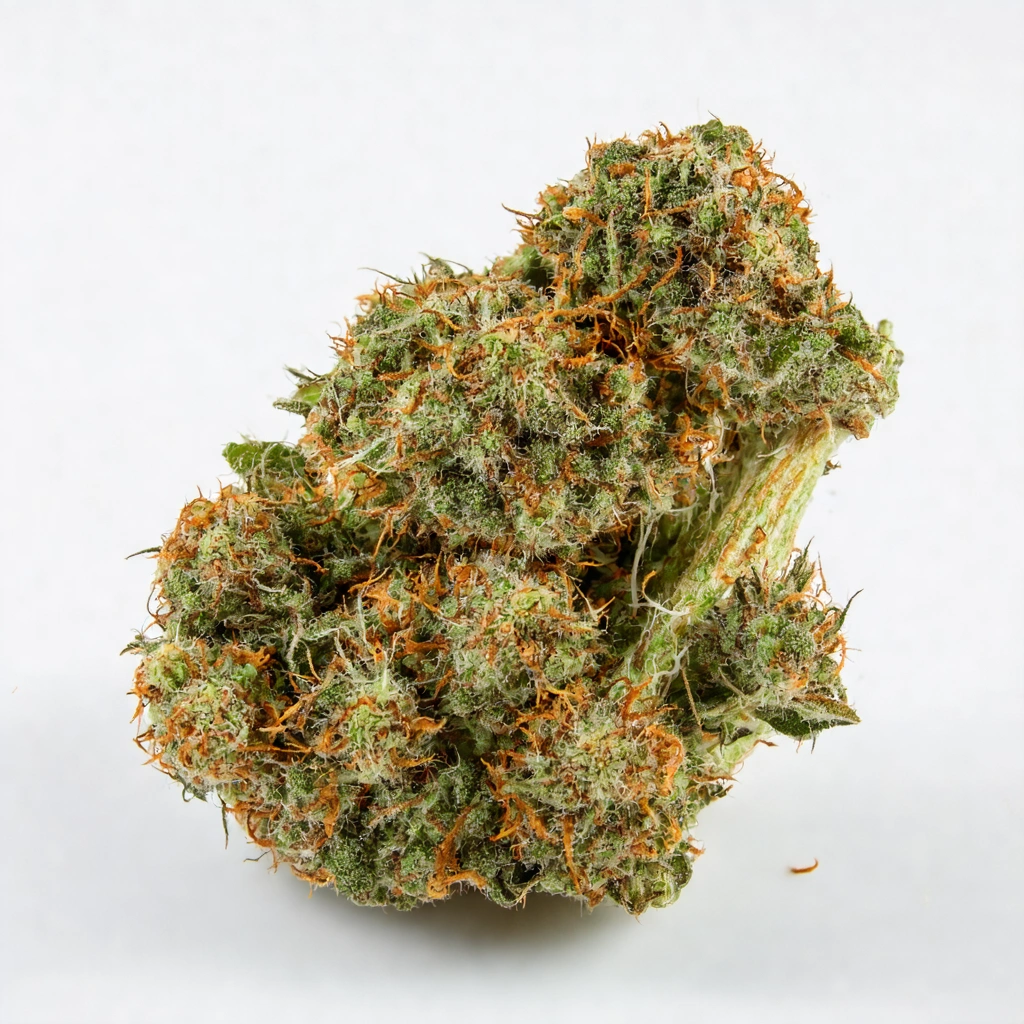
Black Haze
Black Haze
What is the Black Haze strain?
Black Haze is a hybrid cannabis strain with up to 22.17% THC, known for its uplifted effects and berry and cherry flavor profile.
Black Haze is a distinctive cannabis strain that exists in two primary versions from different breeders, each with unique genetic lineages. The most well-known version is a sativa-dominant hybrid (60% sativa/40% indica) created by Pioneer Nuggets, a Washington state-based breeder, through a three-way cross of Colombian Black, Colombian Gold, and Purple Haze. Pioneer Nuggets supplies dispensaries throughout the Pacific Northwest. A second version exists from Exotic Seeds in Amsterdam, which combines Sir Jack Auto and Pakistan Chitral Kush genetics. The strain is named for its striking appearance, featuring deep purple buds that appear almost black due to high concentrations of anthocyanins - pigments that create varying shades of blue and purple when stimulated by cold weather during the growing process. The already-colorful buds are accented with fiery red pistils and coated with sticky, translucent white trichomes. With THC levels typically ranging from 16-22%, Black Haze delivers potent effects while remaining approachable for cannabis newcomers. Despite its somewhat sinister name, Black Haze's fast-acting high is anything but intimidating, with users noticing an uptick in mood that can bloom into euphoria in the right setting.
What are the effects of Black Haze?
What are the medical benefits of Black Haze?
- Users report relief from chronic pain
- May help with stress and depression
- Often used for mood enhancement
- Users report help with focus and attention disorders
- May provide relief from headaches and migraines
- Users report help with muscle tension
This is not medical advice. Consult a healthcare professional.
What are the side effects of Black Haze?
- 💧 Dry Mouth
- 👁️ Dry Eyes
- 😨 Paranoia
- 😰 Anxiety
- Dry mouth
- Dry eyes
- Possible paranoia in sensitive users
- May cause anxiety at high doses
- Potential for racing thoughts
How do you grow Black Haze?
Black Haze can be grown both indoors and outdoors, with outdoor plants requiring a semi-humid climate and daytime temperatures between 72-80°F. The strain has a flowering period of approximately 8-10 weeks, though some sources report 70-77 days (10-11 weeks). Plants typically reach heights of 80-100cm for autoflowering versions, while indoor plants can reach 60-80 inches and outdoor plants can exceed 90 inches in stature. Indoor yields are modest at 350-400g/m² (0.5-1 oz/ft²), while outdoor growers can expect 10-15 ounces per plant. The strain is considered not overly difficult to grow, making it appealing for beginning growers, and plants are naturally resistant to common pests and diseases. Growing difficulty is considered moderate, suitable for those with some prior experience. To enhance the characteristic purple coloration, growers can expose plants to cold temperatures late in the vegetative stage to stimulate anthocyanin production.
How should you use Black Haze?
Black Haze is a hybrid strain with 22.17% THC, which is moderate potency. As a hybrid, it offers versatility for both daytime and evening use.
Beginners
Start with 1-2 small inhalations or 2.5-5mg if using edibles. Wait 15 minutes before taking more. This strain is potent — start very low.
Regular Users
A standard session of 3-5 inhalations or 5-15mg edible dose. Effects typically onset within 5-15 minutes when inhaled, 30-90 minutes for edibles.
Experienced Users
Adjust to personal tolerance. Moderate doses should provide a satisfying experience.
Start low and go slow. This is not medical advice — consult a healthcare professional before using cannabis.
What is the genetic lineage of Black Haze?
What are Black Haze's parent strains?
What strains were bred from Black Haze? (6)
Frequently Asked Questions
How does Black Haze make you feel?
Black Haze is a hybrid strain that primarily produces uplifted effects, followed by happy. Users report the dominant effect at 80% intensity. With 22.17% THC, this strain is moderately strong and suitable for regular consumers.
Is Black Haze good for medical use?
Black Haze has been reported by users for users report relief from chronic pain, may help with stress and depression, often used for mood enhancement, users report help with focus and attention disorders, may provide relief from headaches and migraines, users report help with muscle tension. As a hybrid, it offers a balanced profile that may work throughout the day.
This is not medical advice. Consult a healthcare professional.
Are there side effects with Black Haze?
Some users have reported dry mouth, dry eyes, paranoia, anxiety, dry mouth, dry eyes, possible paranoia in sensitive users, may cause anxiety at high doses, potential for racing thoughts when using Black Haze. Starting with a low dose and staying hydrated can help minimize these effects.
What does Black Haze taste and smell like?
Black Haze features a flavor profile of berry, cherry, earthy, floral, herbal, pine, sweet, woody. The dominant terpenes are Myrcene and Valencene, which contribute to its distinctive aroma.
What do users say about Black Haze?
Log in to write a review.
No reviews yet. Be the first to review Black Haze!
What does the research say about Black Haze?
Black Haze is a hybrid cannabis strain containing up to 22.17% THC, with a terpene profile dominated by Myrcene and Valencene. Below are authoritative resources for understanding the compounds in this strain.
Cannabinoid Information
Cannabis Regulations & Safety
What strains are similar to Black Haze?
#1 Stunna
HybridTHC: 20.0% - 30.0%
#41 Zi
HybridTHC: Unknown
$.i.N.G
HybridTHC: 18.0% - 24.0%
'78 LA OG Affie
HybridTHC: 22.0% - 23.0%
'78 Skunk 'D' x Gorilla Grape
HybridTHC: Unknown
'78 Skunk 'M' x Gorilla Grape
HybridTHC: Unknown
'87 Firebird
HybridTHC: 18.0% - 23.0%
'98 Aloha White Widow
HybridTHC: 20.0% - 25.0%