Black & Red
Black & Red
Also known as: Black + Red, Black N Red, Black and Red
What is the Black & Red strain?
Black & Red is a sativa cannabis strain with up to 23.0% THC, known for its creative effects and citrus and floral flavor profile.
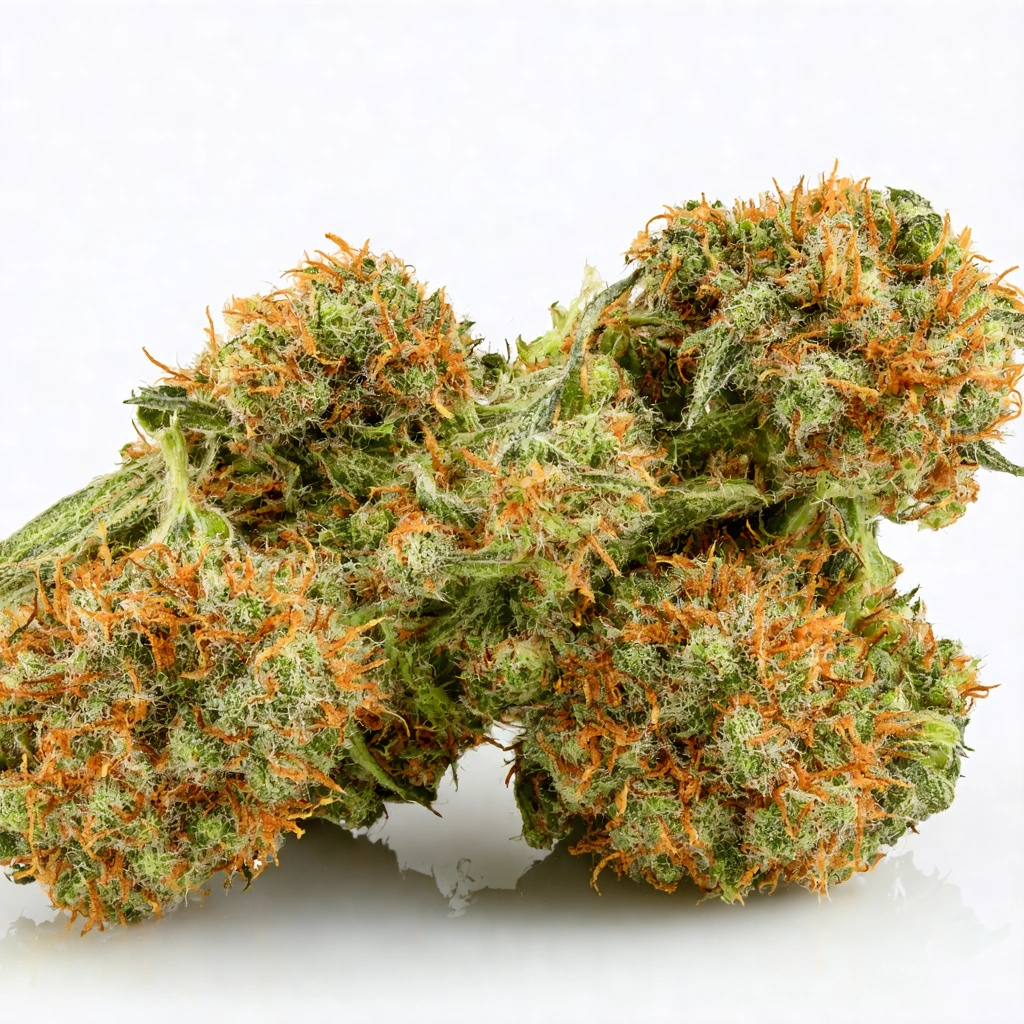
Black & Red is a distinguished sativa-dominant hybrid strain (80% sativa/20% indica) developed by California Connoisseur Genetics through careful breeding of two legendary landrace genetics. The strain is created by crossing Panama Red, a classic Colombian sativa from the 1970s, with Black Haze (specifically the Miami cut phenotype), which itself derives from Santa Marta Gold, Wacky Weed (Chocolate Colombian), and Colombian genetics. This lineage represents a preservation of old-school tropical genetics from the golden era of cannabis breeding. Black & Red is named both for its iconic parentage and its striking visual appearance, featuring dense, grape-shaped nugs that display dark olive green coloration with almost black undertones. The strain is particularly notable for its vibrant red and purple accents throughout the flower structure, complemented by thick red pistils and a generous coating of purple and red-tinted crystal trichomes that create a frosty, sparkling appearance. The strain embodies the characteristics of classic sativa genetics while maintaining the visual appeal of darker cannabis varieties.
What are the effects of Black & Red?
What are the medical benefits of Black & Red?
- Users report relief from chronic fatigue
- May help with fibromyalgia symptoms
- Often used for ADD/ADHD management
- Users report relief from depression
- May help with chronic pain
- Often used for stress management
- Users report help with nausea
This is not medical advice. Consult a healthcare professional.
What are the side effects of Black & Red?
- 💧 Dry Mouth
- 👁️ Dry Eyes
- Dry mouth
- Dry eyes
- Possible anxiety in sensitive individuals
How do you grow Black & Red?
Black & Red is a mostly sativa strain that requires patience due to its long flowering time of approximately 79-80 days. The strain can be cultivated indoors, outdoors, and in greenhouse environments, making it versatile for different growing setups. As a sativa-dominant variety, plants typically exhibit classic sativa growth patterns with stretchy internodes and substantial height potential. The strain was never available as feminized seeds from the original breeder, indicating it was only produced as regular seeds. Growers should expect longer vegetative and flowering periods typical of landrace sativa genetics, with plants requiring adequate space and potentially needing support during late flowering due to the weight of resinous buds.
How should you use Black & Red?
Black & Red is a sativa strain with 23.0% THC, which is moderate potency. As a sativa, it works well for daytime activities and creative sessions.
Beginners
Start with 1-2 small inhalations or 2.5-5mg if using edibles. Wait 15 minutes before taking more. This strain is potent — start very low.
Regular Users
A standard session of 3-5 inhalations or 5-15mg edible dose. Effects typically onset within 5-15 minutes when inhaled, 30-90 minutes for edibles.
Experienced Users
Adjust to personal tolerance. Moderate doses should provide a satisfying experience.
Start low and go slow. This is not medical advice — consult a healthcare professional before using cannabis.
What is the genetic lineage of Black & Red?
What are Black & Red's parent strains?
Frequently Asked Questions
How does Black & Red make you feel?
Black & Red is a sativa strain that primarily produces creative effects, followed by happy. Users report the dominant effect at 90% intensity. With 23.0% THC, this strain is moderately strong and suitable for regular consumers.
Is Black & Red good for medical use?
Black & Red has been reported by users for users report relief from chronic fatigue, may help with fibromyalgia symptoms, often used for add/adhd management, users report relief from depression, may help with chronic pain, often used for stress management, users report help with nausea. As a sativa strain, it may be suitable for daytime use while managing symptoms.
This is not medical advice. Consult a healthcare professional.
Are there side effects with Black & Red?
Some users have reported dry mouth, dry eyes, dry mouth, dry eyes, possible anxiety in sensitive individuals when using Black & Red. Starting with a low dose and staying hydrated can help minimize these effects.
What does Black & Red taste and smell like?
Black & Red features a flavor profile of citrus, floral, fruity, grapefruit, spicy, sweet, tropical. The dominant terpenes are Limonene and Myrcene, which contribute to its distinctive aroma.
What do users say about Black & Red?
Log in to write a review.
No reviews yet. Be the first to review Black & Red!
What does the research say about Black & Red?
Black & Red is a sativa cannabis strain containing up to 23.0% THC, with a terpene profile dominated by Limonene and Myrcene. Below are authoritative resources for understanding the compounds in this strain.