Botch Toe
Botch Toe
What is the Botch Toe strain?
Botch Toe is a sativa cannabis strain, known for its energetic effects and citrus and lemon flavor profile.
Botch Toe is a mostly sativa cannabis strain with a complex genealogy that traces its origins to some of the most renowned cannabis genetics. The strain's lineage consists of (Chemdawg [pheno #4] x Violeta [ix]) x Malawi Panama, where the parentage includes Chem 4 X Violeta 9 X Purple Malawi X Panama. This sophisticated genetic background combines chemdog genetics with exotic landrace sativas from Africa and Central America.
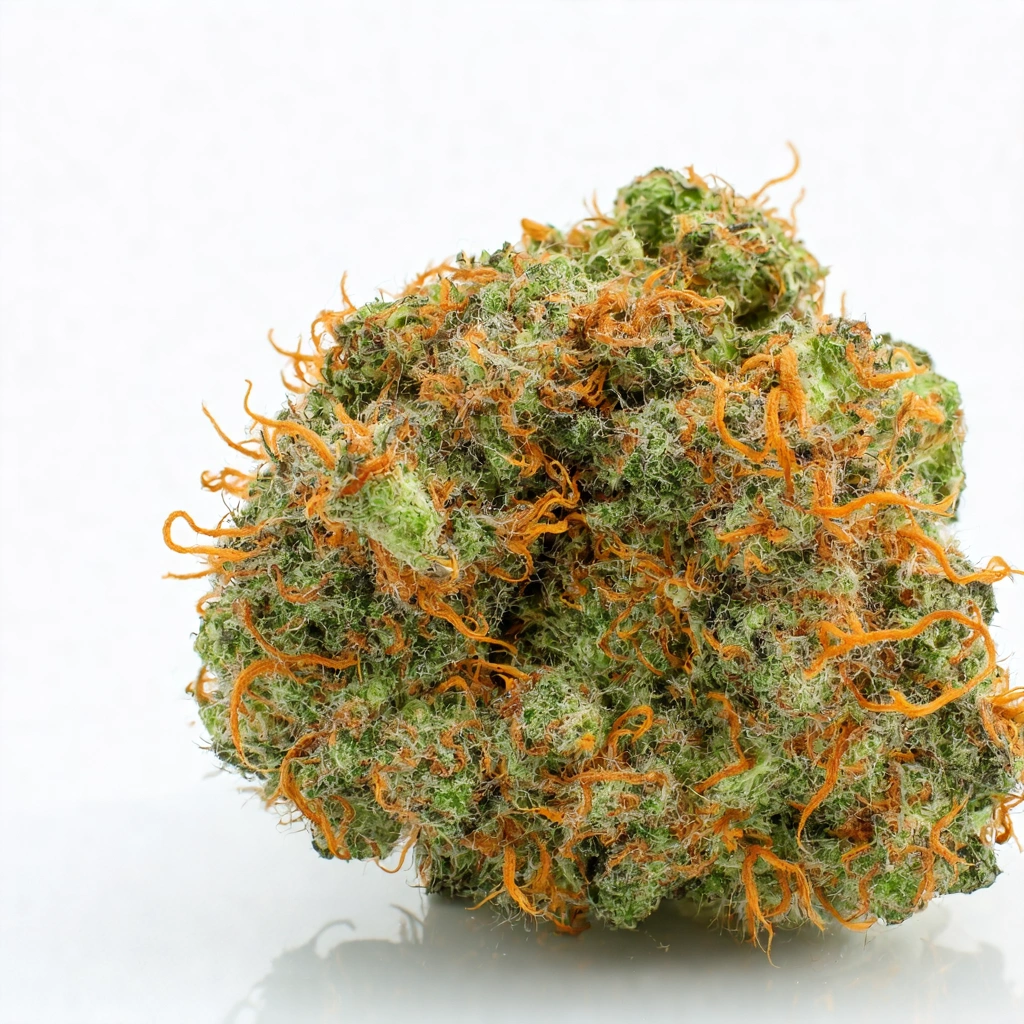
The strain has been developed by multiple breeders, with versions attributed to both Soul Rebel Collective and Microbe Alchemist, though some sources list it under "Unknown or Legendary." Made for the sativa lovers, Botch Toe is a beautiful work horse of a cultivar that showcases the complex interactions between its diverse genetic contributors. The strain produces neon green flowers and a lot of bright red hairs hiding the large resin heads, displaying awesome bag appeal for a sativa bud with a distinctive aromatic profile that sets it apart from typical cannabis strains.
What are the effects of Botch Toe?
What are the medical benefits of Botch Toe?
- Users report relief from bipolar disorder
- May help with chronic pain
- Often used for depression
- Users report help with fatigue
- May assist with PTSD
- Often used for stress management
This is not medical advice. Consult a healthcare professional.
What are the side effects of Botch Toe?
- 😰 Anxiety
- Possible anxiety in high doses
- Racing thoughts
- May cause overstimulation
How do you grow Botch Toe?
Botch Toe requires patience from cultivators, as you shouldn't be afraid of going up to 12 weeks of bloom to get the full reward that she can bring, with longest ones might go 14 weeks but it'll be massive yields on the flowers. The vigor of this plant is amazing, so you won't need a long growing phase before switching. This means no need for excessive training, and a SCROG might be advised as its awesome branching will grow big and fast. The yields of the Botch Toe are HUGE and the ratio flower to leaf is very high. You won't need much trimming. The strain can be cultivated indoors (Where the plants will need a flowering time of ±80 days), though some phenotypes may require longer flowering periods for optimal results.
How should you use Botch Toe?
Botch Toe is a sativa strain. As a sativa, it works well for daytime activities and creative sessions.
Beginners
Start with 1-2 small inhalations or 2.5-5mg if using edibles. Wait 15 minutes before taking more.
Regular Users
A standard session of 3-5 inhalations or 5-15mg edible dose. Effects typically onset within 5-15 minutes when inhaled, 30-90 minutes for edibles.
Experienced Users
Adjust to personal tolerance. Moderate doses should provide a satisfying experience.
Start low and go slow. This is not medical advice — consult a healthcare professional before using cannabis.
Frequently Asked Questions
How does Botch Toe make you feel?
Botch Toe is a sativa strain that primarily produces energetic effects, followed by cerebral. Users report the dominant effect at 85% intensity.
Is Botch Toe good for medical use?
Botch Toe has been reported by users for users report relief from bipolar disorder, may help with chronic pain, often used for depression, users report help with fatigue, may assist with ptsd, often used for stress management. As a sativa strain, it may be suitable for daytime use while managing symptoms.
This is not medical advice. Consult a healthcare professional.
Are there side effects with Botch Toe?
Some users have reported anxiety, possible anxiety in high doses, racing thoughts, may cause overstimulation when using Botch Toe. Starting with a low dose and staying hydrated can help minimize these effects.
What does Botch Toe taste and smell like?
Botch Toe features a flavor profile of citrus, lemon, lime, savory. The dominant terpenes are Limonene and Myrcene, which contribute to its distinctive aroma.
What do users say about Botch Toe?
Log in to write a review.
No reviews yet. Be the first to review Botch Toe!
What does the research say about Botch Toe?
Botch Toe is a sativa cannabis strain, with a terpene profile dominated by Limonene and Myrcene. Below are authoritative resources for understanding the compounds in this strain.