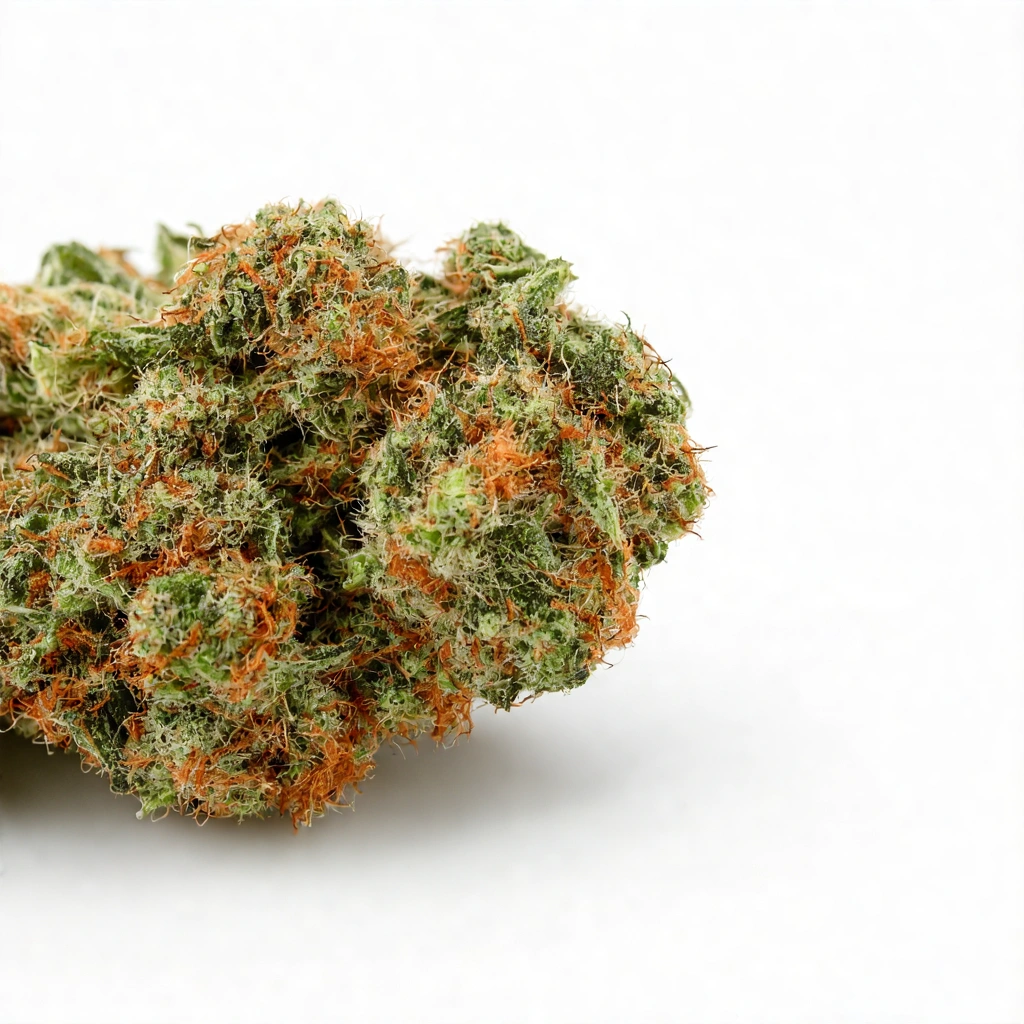
Brain Damage Autoflowering
Brain Damage Autoflowering
Also known as: Braindamage Auto, Brain Damage Auto, Brains Damage Auto
What is the Brain Damage Autoflowering strain?
Brain Damage Autoflowering is a hybrid cannabis strain with up to 30.0% THC, known for its relaxed effects and creamy and earthy flavor profile.
Brain Damage Autoflowering is a potent cannabis strain developed by Growers Choice, created by crossing White Siberian with ICE and incorporating ruderalis genetics to achieve autoflowering characteristics. This strain is a perfectly balanced 50% indica and 50% sativa hybrid, renowned for being one of the strongest autoflowering varieties available. The strain features THC levels soaring between 24-26% and a medium CBD content, making it exceptionally potent even for experienced users. Plants develop into sturdy specimens, reaching indoor heights of 90cm to 130cm, and slightly shorter outdoor heights of 80cm to 120cm. The strain maintains the compact, bushy growth pattern typical of its White Widow lineage while producing pale purple buds coated in resin. With a flowering period of around 10 weeks, this autoflowering variety offers impressive yields and high resistance to pests and mold, making it an excellent choice for both indoor and outdoor cultivation.
What are the effects of Brain Damage Autoflowering?
What are the medical benefits of Brain Damage Autoflowering?
- Users report relief from chronic pain
- May help with insomnia and sleep disorders
- Often used for stress relief
- Potential appetite stimulation
- May assist with anxiety management
This is not medical advice. Consult a healthcare professional.
What are the side effects of Brain Damage Autoflowering?
- Intense couch-lock
- May be too strong for novice users
- Can cause drowsiness
- Possible anxiety in sensitive users
How do you grow Brain Damage Autoflowering?
Brain Damage Auto is moderately easy to cultivate and suitable for growers of all experience levels. Flowering time is approximately 10 weeks from seed, with indoor yields ranging from 650 to 750 grams per square meter. Outdoor grows typically produce up to 600 grams per plant. The strain thrives in various climates, handling both warm and cold conditions with high resistance to mold. Indoor cultivation benefits from Mediterranean-like conditions—65–75°F with 50–60% humidity, while autoflowering genetics mean no light cycle changes are needed—just maintain an 18-hour light schedule. Plants stay around 3.5 feet tall and benefit from regular topping for canopy control. Training techniques like LST, HST, or ScrOG can improve yields when applied at appropriate times.
How should you use Brain Damage Autoflowering?
Brain Damage Autoflowering is a hybrid strain with 30.0% THC, which is considered high potency. As a hybrid, it offers versatility for both daytime and evening use.
Beginners
Start with 1-2 small inhalations or 2.5-5mg if using edibles. Wait 15 minutes before taking more. This strain is potent — start very low.
Regular Users
A standard session of 3-5 inhalations or 5-15mg edible dose. Effects typically onset within 5-15 minutes when inhaled, 30-90 minutes for edibles.
Experienced Users
Adjust to personal tolerance. At 30.0% THC, even experienced users should respect this strain's potency.
Start low and go slow. This is not medical advice — consult a healthcare professional before using cannabis.
What is the genetic lineage of Brain Damage Autoflowering?
What are Brain Damage Autoflowering's parent strains?
Frequently Asked Questions
How does Brain Damage Autoflowering make you feel?
Brain Damage Autoflowering is a hybrid strain that primarily produces relaxed effects, followed by body high. Users report the dominant effect at 95% intensity. With 30.0% THC, this strain is considered potent and best suited for experienced users.
Is Brain Damage Autoflowering good for medical use?
Brain Damage Autoflowering has been reported by users for users report relief from chronic pain, may help with insomnia and sleep disorders, often used for stress relief, potential appetite stimulation, may assist with anxiety management. As a hybrid, it offers a balanced profile that may work throughout the day.
This is not medical advice. Consult a healthcare professional.
Are there side effects with Brain Damage Autoflowering?
Some users have reported intense couch-lock, may be too strong for novice users, can cause drowsiness, possible anxiety in sensitive users when using Brain Damage Autoflowering. Starting with a low dose and staying hydrated can help minimize these effects.
What does Brain Damage Autoflowering taste and smell like?
Brain Damage Autoflowering features a flavor profile of creamy, earthy, spicy, sweet. The dominant terpenes are Caryophyllene and Myrcene, which contribute to its distinctive aroma.
What do users say about Brain Damage Autoflowering?
Log in to write a review.
No reviews yet. Be the first to review Brain Damage Autoflowering!
What does the research say about Brain Damage Autoflowering?
Brain Damage Autoflowering is a hybrid cannabis strain containing up to 30.0% THC, with a terpene profile dominated by Caryophyllene and Myrcene. Below are authoritative resources for understanding the compounds in this strain.
Cannabinoid Information
Cannabis Regulations & Safety
What strains are similar to Brain Damage Autoflowering?
#1 Stunna
HybridTHC: 20.0% - 30.0%
#41 Zi
HybridTHC: Unknown
$.i.N.G
HybridTHC: 18.0% - 24.0%
'78 LA OG Affie
HybridTHC: 22.0% - 23.0%
'78 Skunk 'D' x Gorilla Grape
HybridTHC: Unknown
'78 Skunk 'M' x Gorilla Grape
HybridTHC: Unknown
'87 Firebird
HybridTHC: 18.0% - 23.0%
'98 Aloha White Widow
HybridTHC: 20.0% - 25.0%