Burning Spear
Burning Spear
What is the Burning Spear strain?
Burning Spear is a sativa cannabis strain, known for its cerebral effects and earthy and fruity flavor profile.
Burning Spear is a sativa-dominant hybrid cannabis strain developed by SnowHigh Seeds, a breeder known for working with landrace genetics and unique cultivars. This strain represents a complex three-way genetic cross, created by combining Ortega Indica and Haze to form the initial parent, which was then crossed with Black Congolese. The Ortega parent brings indica characteristics with its sedative and pain-relieving properties, while the Haze genetics contribute the classic cerebral, energizing sativa effects. The Black Congolese addition introduces African landrace genetics that add unique density and coloration to the flowers.
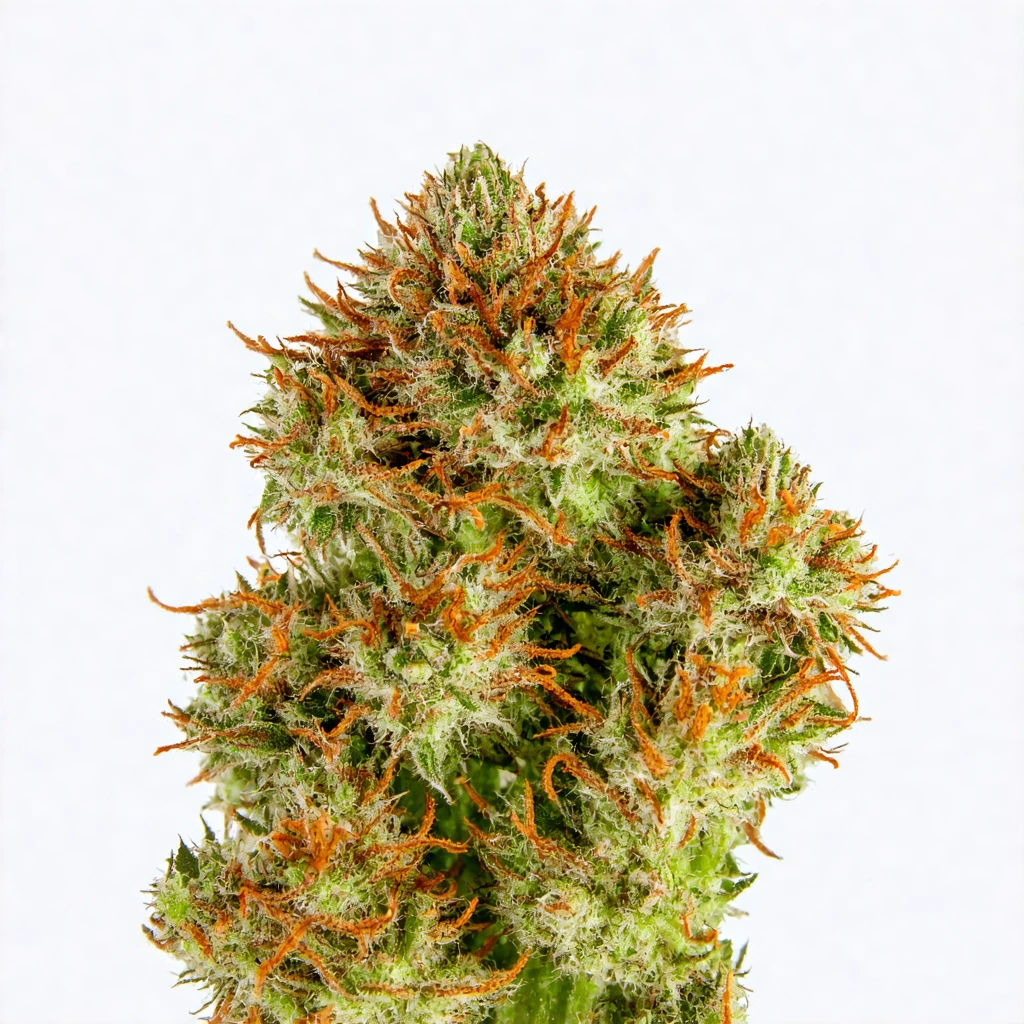
The strain is characterized by its enhanced resin production compared to typical Haze varieties, producing denser floral clusters while maintaining the sativa growth structure. Plants grow to medium-tall height and can be cultivated both indoors and outdoors, with reduced flowering times compared to pure Haze strains. The flowers display various shades of color due to the Black Congolese influence, creating visually striking buds that are more compact than standard Haze flowers. Burning Spear represents SnowHigh Seeds' approach to combining old-school genetics with modern breeding techniques to create unique expressions of cannabis.
What are the effects of Burning Spear?
What are the medical benefits of Burning Spear?
- Users report it may help with different medical benefits
- May assist with stress relief
- Potentially useful for pain management
- Some report it helps with fatigue
This is not medical advice. Consult a healthcare professional.
What are the side effects of Burning Spear?
- 💧 Dry Mouth
- 👁️ Dry Eyes
- 😰 Anxiety
- 🤕 Headache
- Dry mouth
- Dry eyes
- Possible anxiety in high doses
- Headache
- Sleepiness
- Increased appetite
How do you grow Burning Spear?
Burning Spear is classified as a mostly sativa strain suitable for both indoor and outdoor cultivation. Plants exhibit medium to tall height characteristics typical of sativa-dominant varieties. The strain offers reduced flowering times compared to pure Haze genetics, making it more manageable for growers. It produces denser floral clusters with higher resin production than typical Haze strains. The Black Congolese genetics contribute to various color expressions throughout the line, creating visually diverse phenotypes. Regular seeds are available, but feminized versions have not been produced. The strain requires monitoring of pH levels, water, spacing, and ventilation when grown indoors.
How should you use Burning Spear?
Burning Spear is a sativa strain. As a sativa, it works well for daytime activities and creative sessions.
Beginners
Start with 1-2 small inhalations or 2.5-5mg if using edibles. Wait 15 minutes before taking more.
Regular Users
A standard session of 3-5 inhalations or 5-15mg edible dose. Effects typically onset within 5-15 minutes when inhaled, 30-90 minutes for edibles.
Experienced Users
Adjust to personal tolerance. Moderate doses should provide a satisfying experience.
Start low and go slow. This is not medical advice — consult a healthcare professional before using cannabis.
What is the genetic lineage of Burning Spear?
What are Burning Spear's parent strains?
Frequently Asked Questions
How does Burning Spear make you feel?
Burning Spear is a sativa strain that primarily produces cerebral effects, followed by euphoric. Users report the dominant effect at 85% intensity.
Is Burning Spear good for medical use?
Burning Spear has been reported by users for users report it may help with different medical benefits, may assist with stress relief, potentially useful for pain management, some report it helps with fatigue. As a sativa strain, it may be suitable for daytime use while managing symptoms.
This is not medical advice. Consult a healthcare professional.
Are there side effects with Burning Spear?
Some users have reported dry mouth, dry eyes, anxiety, headache, dry mouth, dry eyes, possible anxiety in high doses, headache, sleepiness, increased appetite when using Burning Spear. Starting with a low dose and staying hydrated can help minimize these effects.
What does Burning Spear taste and smell like?
Burning Spear features a flavor profile of earthy, fruity, haze, sweet. The dominant terpenes are Pinene and Terpinolene, which contribute to its distinctive aroma.
What do users say about Burning Spear?
Log in to write a review.
No reviews yet. Be the first to review Burning Spear!
What does the research say about Burning Spear?
Burning Spear is a sativa cannabis strain, with a terpene profile dominated by Pinene and Terpinolene. Below are authoritative resources for understanding the compounds in this strain.