Candy Skunk
Candy Skunk
Also known as: Kandy Skunk
What is the Candy Skunk strain?
Candy Skunk is a sativa cannabis strain with up to 21.0% THC, known for its energetic effects and candy and citrus flavor profile.
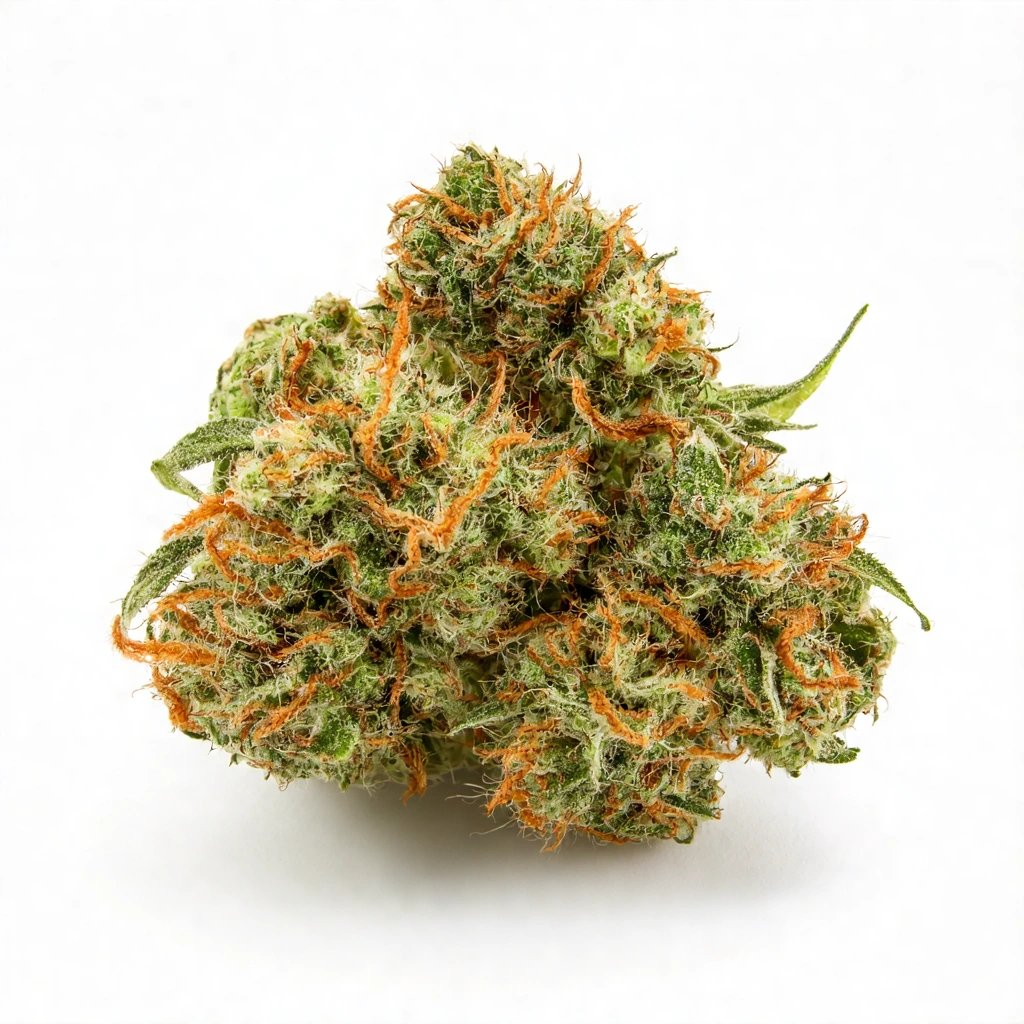
Candy Skunk is a sativa-dominant hybrid (90% sativa/10% indica) created by DNA Genetics as a cross between Kandy Kush and Skunk #1. The strain represents a three-way cross lineage that includes OG Kush, Trainwreck T4, and Skunk genetics. This cultivar has gained popularity among medical cannabis patients for its reputation as the perfect wake and bake medication. The strain features dense, dark forest green buds with bright orange hairs and a striking aroma that combines sweet, caramel-like qualities with radiant undertones of skunk musk. Candy Skunk produces THC levels ranging from 18-21%, making it a moderately potent strain suitable for experienced users.
What are the effects of Candy Skunk?
What are the medical benefits of Candy Skunk?
- Users report relief from fatigue and low energy
- May help with attention deficit disorders like ADD and ADHD
- Often used for focus enhancement
- May help with anxiety and depression
This is not medical advice. Consult a healthcare professional.
What are the side effects of Candy Skunk?
- 😰 Anxiety
- Possible anxiety in high doses
- Dry mouth
- Dry eyes
How do you grow Candy Skunk?
Flowering time is approximately 9 weeks (63 days), suitable for both indoor and outdoor cultivation. The strain produces above average yields of 500-600 g/m² and grows tall with one main cola depending on phenotype. Plants can grow tall and benefit from pinching to even out the canopy, with the ability to handle nutrients well. Classified as 65% sativa / 35% indica with a tall growth pattern. Another breeding line from THC Development Seed Company describes it as a bushy plant best grown in a trellis due to high sub-branch count.
How should you use Candy Skunk?
Candy Skunk is a sativa strain with 21.0% THC, which is moderate potency. As a sativa, it works well for daytime activities and creative sessions.
Beginners
Start with 1-2 small inhalations or 2.5-5mg if using edibles. Wait 15 minutes before taking more. This strain is potent — start very low.
Regular Users
A standard session of 3-5 inhalations or 5-15mg edible dose. Effects typically onset within 5-15 minutes when inhaled, 30-90 minutes for edibles.
Experienced Users
Adjust to personal tolerance. Moderate doses should provide a satisfying experience.
Start low and go slow. This is not medical advice — consult a healthcare professional before using cannabis.
What is the genetic lineage of Candy Skunk?
What are Candy Skunk's parent strains?
Frequently Asked Questions
How does Candy Skunk make you feel?
Candy Skunk is a sativa strain that primarily produces energetic effects, followed by focused. Users report the dominant effect at 90% intensity. With 21.0% THC, this strain is moderately strong and suitable for regular consumers.
Is Candy Skunk good for medical use?
Candy Skunk has been reported by users for users report relief from fatigue and low energy, may help with attention deficit disorders like add and adhd, often used for focus enhancement, may help with anxiety and depression. As a sativa strain, it may be suitable for daytime use while managing symptoms.
This is not medical advice. Consult a healthcare professional.
Are there side effects with Candy Skunk?
Some users have reported anxiety, possible anxiety in high doses, dry mouth, dry eyes when using Candy Skunk. Starting with a low dose and staying hydrated can help minimize these effects.
What does Candy Skunk taste and smell like?
Candy Skunk features a flavor profile of candy, citrus, skunk, sweet. The dominant terpenes are Myrcene and Limonene, which contribute to its distinctive aroma.
What do users say about Candy Skunk?
Log in to write a review.
No reviews yet. Be the first to review Candy Skunk!
What does the research say about Candy Skunk?
Candy Skunk is a sativa cannabis strain containing up to 21.0% THC, with a terpene profile dominated by Myrcene and Limonene. Below are authoritative resources for understanding the compounds in this strain.