Cheetah Piss S1
Cheetah Piss S1
Also known as: Funky Kitty
What is the Cheetah Piss S1 strain?
Cheetah Piss S1 is a hybrid cannabis strain with up to 30.0% THC, known for its euphoric effects and ammonia and citrus flavor profile.
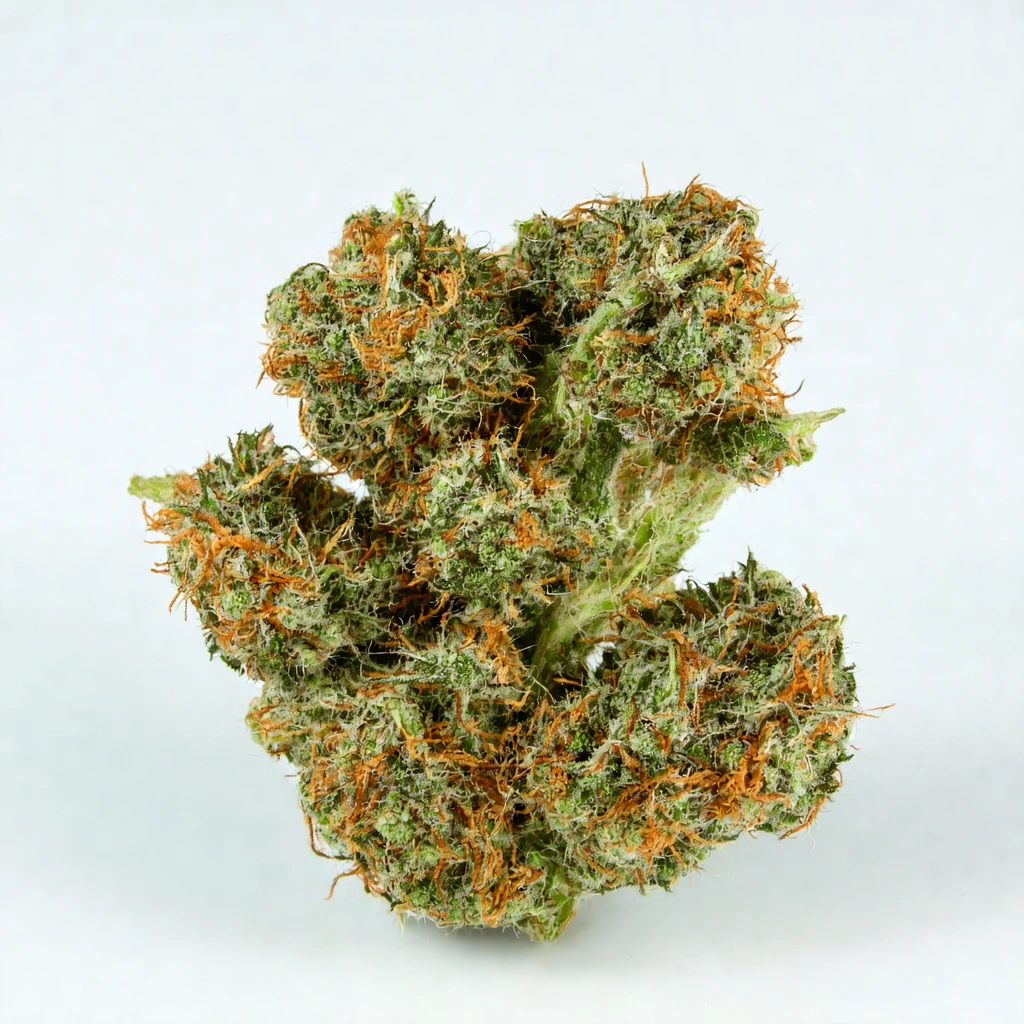
Cheetah Piss S1 is a feminized cannabis strain created by self-crossing the original Cheetah Piss clone-only cut. The original Cheetah Piss was developed by Cookies (Growing Passion and Cookies Fam) as a three-way cross between Lemonnade, Gelato 42, and London Poundcake 97. Created as a modern homage to the legendary "Cat Piss" strain from the early 2000s, Cheetah Piss maintains the distinctive ammonia-like aroma while offering more balanced hybrid effects. The S1 (selfed first generation) variant preserves the genetics of the original clone-only mother plant through feminized seeds. The strain displays bright neon green buds with yellow-orange pistils and a thick coating of golden amber trichomes. Cheetah Piss S1 represents a perfect balance between old-school funk and new-school potency, combining the pungent characteristics reminiscent of its namesake with the refined genetics of modern dessert strains. Its unique terpene profile creates an unmistakable aroma that's both polarizing and captivating to cannabis enthusiasts.
What are the effects of Cheetah Piss S1?
What are the medical benefits of Cheetah Piss S1?
- Users report relief from chronic stress
- May help with depression and mood swings
- Often used for chronic pain management
- May assist with chronic fatigue
- Users report anxiety relief in low doses
- May help with focus and ADD/ADHD symptoms
This is not medical advice. Consult a healthcare professional.
What are the side effects of Cheetah Piss S1?
- 💧 Dry Mouth
- 👁️ Dry Eyes
- 💫 Dizziness
- 😰 Anxiety
- Dry mouth
- Dry eyes
- Possible dizziness
- May increase anxiety in high doses or sensitive users
- Potential overstimulation in novice users
How do you grow Cheetah Piss S1?
Cheetah Piss S1 has a moderate growing difficulty level and is suitable for both indoor and outdoor cultivation. The flowering time ranges from 56-63 days (8-9 weeks). Indoor plants can reach up to 6 feet in height while outdoor plants may grow up to 8 feet. Expected yields are moderate to heavy, with indoor yields averaging 0.5 oz/ft² and outdoor plants producing 5-10 oz per plant. The strain responds well to training techniques like SCROG and SOG. During flowering, maintain humidity levels between 40-50% and provide adequate lighting. The plants show good resistance to climate variations but should be protected from extreme conditions. Regular monitoring of pH (6.0-6.5) and nutrient levels is recommended for optimal results.
How should you use Cheetah Piss S1?
Cheetah Piss S1 is a hybrid strain with 30.0% THC, which is considered high potency. As a hybrid, it offers versatility for both daytime and evening use.
Beginners
Start with 1-2 small inhalations or 2.5-5mg if using edibles. Wait 15 minutes before taking more. This strain is potent — start very low.
Regular Users
A standard session of 3-5 inhalations or 5-15mg edible dose. Effects typically onset within 5-15 minutes when inhaled, 30-90 minutes for edibles.
Experienced Users
Adjust to personal tolerance. At 30.0% THC, even experienced users should respect this strain's potency.
Start low and go slow. This is not medical advice — consult a healthcare professional before using cannabis.
Frequently Asked Questions
How does Cheetah Piss S1 make you feel?
Cheetah Piss S1 is a hybrid strain that primarily produces euphoric effects, followed by creative. Users report the dominant effect at 85% intensity. With 30.0% THC, this strain is considered potent and best suited for experienced users.
Is Cheetah Piss S1 good for medical use?
Cheetah Piss S1 has been reported by users for users report relief from chronic stress, may help with depression and mood swings, often used for chronic pain management, may assist with chronic fatigue, users report anxiety relief in low doses, may help with focus and add/adhd symptoms. As a hybrid, it offers a balanced profile that may work throughout the day.
This is not medical advice. Consult a healthcare professional.
Are there side effects with Cheetah Piss S1?
Some users have reported dry mouth, dry eyes, dizziness, anxiety, dry mouth, dry eyes, possible dizziness, may increase anxiety in high doses or sensitive users, potential overstimulation in novice users when using Cheetah Piss S1. Starting with a low dose and staying hydrated can help minimize these effects.
What does Cheetah Piss S1 taste and smell like?
Cheetah Piss S1 features a flavor profile of ammonia, citrus, diesel, earthy, lemon, pine, sweet. The dominant terpenes are Caryophyllene and Limonene, which contribute to its distinctive aroma.
What do users say about Cheetah Piss S1?
Log in to write a review.
No reviews yet. Be the first to review Cheetah Piss S1!
What does the research say about Cheetah Piss S1?
Cheetah Piss S1 is a hybrid cannabis strain containing up to 30.0% THC, with a terpene profile dominated by Caryophyllene and Limonene. Below are authoritative resources for understanding the compounds in this strain.
Cannabinoid Information
Cannabis Regulations & Safety
What strains are similar to Cheetah Piss S1?
#1 Stunna
HybridTHC: 20.0% - 30.0%
#41 Zi
HybridTHC: Unknown
$.i.N.G
HybridTHC: 18.0% - 24.0%
'78 LA OG Affie
HybridTHC: 22.0% - 23.0%
'78 Skunk 'D' x Gorilla Grape
HybridTHC: Unknown
'78 Skunk 'M' x Gorilla Grape
HybridTHC: Unknown
'87 Firebird
HybridTHC: 18.0% - 23.0%
'98 Aloha White Widow
HybridTHC: 20.0% - 25.0%