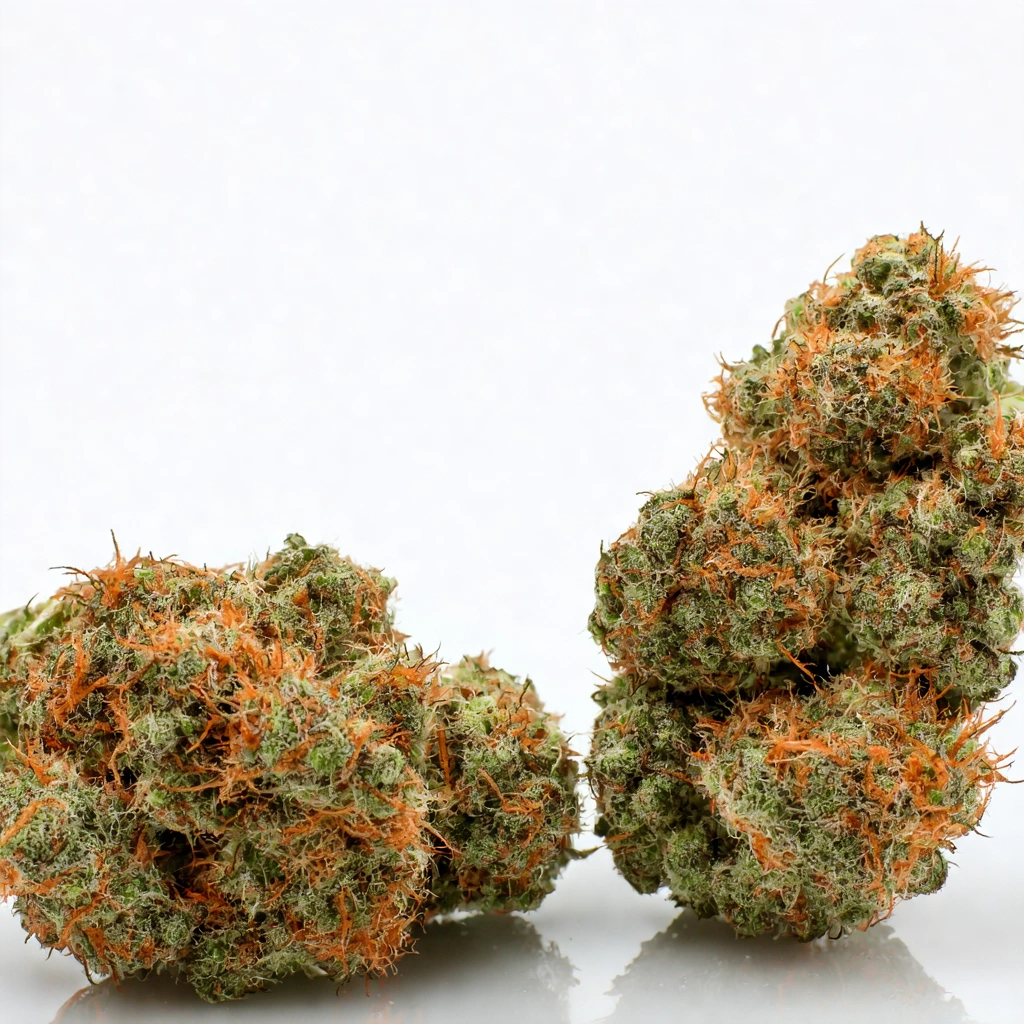
Chemdawg #4
Chemdawg #4
Also known as: Chemdog 4, Chemdawg 4, Chem 4, Chem Dog #4
What is the Chemdawg #4 strain?
Chemdawg #4 is a hybrid cannabis strain with up to 27.0% THC, known for its relaxed effects and chemical and citrus flavor profile.
Chemdawg #4 is an indica-dominant hybrid strain (60% indica, 40% sativa) that stands as one of the most prominent phenotypes in the legendary Chemdawg lineage. This strain is indica-dominant hybrid, although its structure and growth patterns often resemble those of a sativa. Born from the cross between Chemdog and Green Crack, this hybrid has indica dominance but surprises you with sativa-like growth spurts. Chemdawg #4 is a hybrid strain split 60/40 indica, differing from its Chemdawg brethren which are sativa dominant. The strain emerged from the mysterious origins of the original Chemdawg genetics discovered at a Grateful Dead concert in 1991, where seeds were found in premium cannabis known as "Dog Bud." The tale begins in 1991, at a Grateful Dead concert—an event that epitomized the counterculture vibes of the era. A man named Chemdog, known now as a cannabis pioneer, bought a bag of high-quality bud known as Dog Bud from some Colorado growers. Meanwhile, the remaining three became known as Chemdawg '91, Chemdawg's Sister, and Chemdawg B. In time, two more phenotypes were born, Chemdawg D, and Chemdawg #4. In the last two decades, Chemdawg established itself as legends, with Chemdawg #4 being the most prominent phenotype.
Chemdawg #4 produces dense, light green buds covered with crystalline trichomes and sparse dark red hairs, creating a frosty appearance reminiscent of diamond dust. This hybrid has dense, light green buds with specks of dark red hairs. The buds she produces look like they've been sprinkled with diamond dust—lime green nugs covered in orange hairs and glistening trichomes. Chemdawg 4 has dense, light green buds covered with a healthy crystal frosting. Though the hairs are scarce, the ones that do dot the buds are a dark red. The strain is renowned for its distinctive pungent aroma combining diesel fuel, citrus, pine, and earthy notes, with some describing it as reminiscent of Pine-Sol or kerosene. As a foundational strain in cannabis genetics, Chemdawg #4 has contributed to creating numerous famous varieties including OG Kush, Sour Diesel, and Stardawg, cementing its status as a cornerstone of modern cannabis breeding.
What are the effects of Chemdawg #4?
What are the medical benefits of Chemdawg #4?
- Users report relief from chronic pain
- May help with muscle spasms and inflammation
- Often used for stress and anxiety management
- Users report benefits for insomnia
- May provide relief from arthritis
- Often used for headaches and migraines
- Users report appetite stimulation
- May help with nausea
- Often used for glaucoma symptoms
- Users report relief from depression
This is not medical advice. Consult a healthcare professional.
What are the side effects of Chemdawg #4?
- 💧 Dry Mouth
- 👁️ Dry Eyes
- 😨 Paranoia
- 😰 Anxiety
- Dry mouth
- Dry eyes
- Dizziness
- Headaches
- Paranoia in high doses
- Anxiety in sensitive users
- Possible couch-lock
How do you grow Chemdawg #4?
Chemdawg #4 doesn't keep you waiting forever either—she flowers in about 8 to 10 weeks, giving growers just enough suspense before delivering the goods. Indoor setups can yield around 450 to 500 grams/m² (15.8 to 17.6 oz/ft²). It is also highly suitable for Sea of Green (SOG) method of growing and starting the 70th day, you know you would soon be harvesting some 16 to 20 ounces per square meter. By mid to late-October, after more than 9 weeks of caring, what you have is a plant that rises up to 7 feet tall that give you a yield of 25 to 30 ounces per plant. Chemdawg #4 yields 16 to 20 ounces per square meter indoors and 25 to 30 ounces per plant outdoors. This strain requires intermediate growing skills and is known for its vigorous growth patterns. Indoors, Chemdawg #4 can reach between 1.2 to 1.5 meters (4 to 5 feet), but outdoors she can explode to heights of 3 to 4.8 meters (10 to 16 feet). Make sure you've got enough vertical space or a solid plan for training her growth. Outdoor growers should plan to harvest Chemdawg #4 from mid to late September for optimal ripeness and resin production. Yes, Chemdawg #4 has a high metabolic rate and demands consistent feeding, especially nitrogen during the vegetative stage. The strain is resistant to pests and most diseases but shows sensitivity to powdery mildew and requires good ventilation and humidity control. Support structures like cages or trellises are recommended due to heavy cola development.
How should you use Chemdawg #4?
Chemdawg #4 is a hybrid strain with 27.0% THC, which is considered high potency. As a hybrid, it offers versatility for both daytime and evening use.
Beginners
Start with 1-2 small inhalations or 2.5-5mg if using edibles. Wait 15 minutes before taking more. This strain is potent — start very low.
Regular Users
A standard session of 3-5 inhalations or 5-15mg edible dose. Effects typically onset within 5-15 minutes when inhaled, 30-90 minutes for edibles.
Experienced Users
Adjust to personal tolerance. At 27.0% THC, even experienced users should respect this strain's potency.
Start low and go slow. This is not medical advice — consult a healthcare professional before using cannabis.
What is the genetic lineage of Chemdawg #4?
What strains were bred from Chemdawg #4? (17)
Frequently Asked Questions
How does Chemdawg #4 make you feel?
Chemdawg #4 is a hybrid strain that primarily produces relaxed effects, followed by euphoric. Users report the dominant effect at 90% intensity. With 27.0% THC, this strain is considered potent and best suited for experienced users.
Is Chemdawg #4 good for medical use?
Chemdawg #4 has been reported by users for users report relief from chronic pain, may help with muscle spasms and inflammation, often used for stress and anxiety management, users report benefits for insomnia, may provide relief from arthritis, often used for headaches and migraines, users report appetite stimulation, may help with nausea, often used for glaucoma symptoms, users report relief from depression. As a hybrid, it offers a balanced profile that may work throughout the day.
This is not medical advice. Consult a healthcare professional.
Are there side effects with Chemdawg #4?
Some users have reported dry mouth, dry eyes, paranoia, anxiety, dry mouth, dry eyes, dizziness, headaches, paranoia in high doses, anxiety in sensitive users, possible couch-lock when using Chemdawg #4. Starting with a low dose and staying hydrated can help minimize these effects.
What does Chemdawg #4 taste and smell like?
Chemdawg #4 features a flavor profile of chemical, citrus, diesel, earthy, lemon, pine, skunk. The dominant terpenes are Caryophyllene and Myrcene, which contribute to its distinctive aroma.
What do users say about Chemdawg #4?
Log in to write a review.
No reviews yet. Be the first to review Chemdawg #4!
What does the research say about Chemdawg #4?
Chemdawg #4 is a hybrid cannabis strain containing up to 27.0% THC, with a terpene profile dominated by Caryophyllene and Myrcene. Below are authoritative resources for understanding the compounds in this strain.
Cannabinoid Information
Cannabis Regulations & Safety
What strains are similar to Chemdawg #4?
#1 Stunna
HybridTHC: 20.0% - 30.0%
#41 Zi
HybridTHC: Unknown
$.i.N.G
HybridTHC: 18.0% - 24.0%
'78 LA OG Affie
HybridTHC: 22.0% - 23.0%
'78 Skunk 'D' x Gorilla Grape
HybridTHC: Unknown
'78 Skunk 'M' x Gorilla Grape
HybridTHC: Unknown
'87 Firebird
HybridTHC: 18.0% - 23.0%
'98 Aloha White Widow
HybridTHC: 20.0% - 25.0%