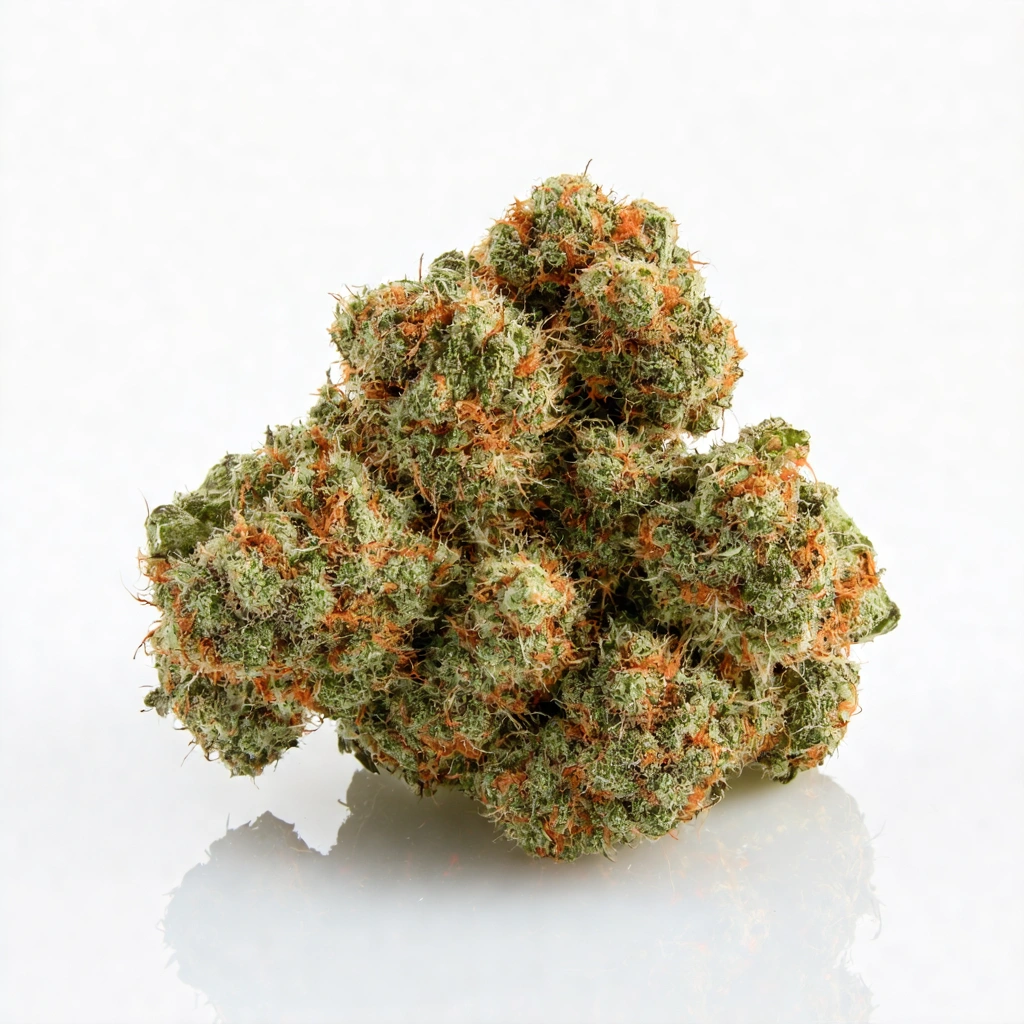
Chemdog D
Chemdog D
Also known as: Chem D, Chem Dog D
What is the Chemdog D strain?
Chemdog D is a hybrid cannabis strain with up to 30.0% THC, known for its euphoric effects and chemical and citrus flavor profile.
Chemdog D is a legendary phenotype that emerged from the famous Chemdog lineage, originating from the original ChemDawg '91 which was born from selective breeding of 13 seeds found in a bag of Colorado 'Dog Bud' purchased at a Grateful Dead concert in 1991. Over the years, selective breeding of these seeds produced several legendary offshoots including Chem D, Chem 4, and Chem Dawg. High Times magazine has called Chem D the 'cannabis supermodel' and it was named Leafly Budtender's Choice 2024 Winner for its strong potency, gassy flavor, and knockout effects. The original Chem 91, along with Chem D and Chem 4, became famous in their own right among growers, and even the popular GMO Cookies traces its lineage to Chemdawg's Chem D phenotype.
Chemdog D typically features dense, resinous buds with a pale green hue, often adorned with fiery orange hairs and a generous coating of trichomes. The buds are lime and forest green, with dark orange pistils and a layer of crystal trichomes, presenting as popcorn and tree-shaped structures that showcase robust growth. Chemdog D is widely considered a building block of the cannabis gene pool and is credited as a parent of legendary varieties like OG Kush and Sour Diesel. The exact lineage remains shrouded in mystery, but it is widely recognized as a sibling strain to the equally famous Chem 91, with some speculating it is a cross between Chem 91 and Massachusetts Super Skunk.
What are the effects of Chemdog D?
What are the medical benefits of Chemdog D?
- Users report relief from chronic pain
- May help with stress and anxiety
- Often used for depression symptoms
- Reported to aid with insomnia
- May assist with PTSD symptoms
This is not medical advice. Consult a healthcare professional.
What are the side effects of Chemdog D?
- 💧 Dry Mouth
- 👁️ Dry Eyes
- 😰 Anxiety
- Dry mouth
- Dry eyes
- Possible increased anxiety in sensitive individuals
- Potential couch-lock at higher doses
How do you grow Chemdog D?
Chemdog D has an indoor flowering time of 55 to 60 days (approximately 8-9 weeks) and can reach heights of 8 to 10 feet outdoors. Indoor yields range from 17.6 to 21.2 ounces per square yard, while outdoor plants can yield between 45 and 53 ounces per plant. Harvest time is typically ready by the second half of September. The strain is moderately hardy and forgiving of minor mistakes but performs best with attentive care. It adapts to any growing technique and is very resilient, making it suitable for intermediate growers, though it's recommended to grow indoors where humidity and mold can be better controlled. Humidity should be controlled and kept low during flowering to prevent mold. The strain can be susceptible to pests and diseases if proper precautions aren't taken, requiring regular inspection and preventive treatments against common pests like mites and aphids.
How should you use Chemdog D?
Chemdog D is a hybrid strain with 30.0% THC, which is considered high potency. As a hybrid, it offers versatility for both daytime and evening use.
Beginners
Start with 1-2 small inhalations or 2.5-5mg if using edibles. Wait 15 minutes before taking more. This strain is potent — start very low.
Regular Users
A standard session of 3-5 inhalations or 5-15mg edible dose. Effects typically onset within 5-15 minutes when inhaled, 30-90 minutes for edibles.
Experienced Users
Adjust to personal tolerance. At 30.0% THC, even experienced users should respect this strain's potency.
Start low and go slow. This is not medical advice — consult a healthcare professional before using cannabis.
What is the genetic lineage of Chemdog D?
What strains were bred from Chemdog D? (40)
- Chem D Cookies
- Chem D x Fire Pie
- Chem Double D
- Chem-D-Cake
- Chemdog D BX#1
- Chemdog D BX#2
- Chemdog D IBL
- Chemdog D IX-I
- Chemdog D IX-II
- Chemdog D x Sour Diesel
- Chemdog D x Triangle Kush
- Chemdog DD
- Chemdog Millionaire
- Chemdog Millionaire Guava
- Chemical Kush
- Dank Vader
- Daybreaker
- Dirty Dawg
- FunkBerry
- GG4 X Chemdog D
- Girl Scout Cookies X Chemdog D
- Grandoggy Purps
- Grimmdog XX
- Headband X Chemdog D
- High Priest #2
- Irene Kush X Chemdog D
- Last Laugh
- Lemon Party X Chemdog D
- Mendo Purple X Chemdog D
- Purple Hindu Kush X Chemdog D
- Queen of Hearts
- Sherbert X Chemdog D
- Sour Chem
- The White X Chemdog D
- Triangle Kush X Chemdog D
- Trinity X Chemdog D
- Triple Crown OG
- Uber
- White Fire #43 X Chemdog D
- Wild Thing
Frequently Asked Questions
How does Chemdog D make you feel?
Chemdog D is a hybrid strain that primarily produces euphoric effects, followed by relaxed. Users report the dominant effect at 85% intensity. With 30.0% THC, this strain is considered potent and best suited for experienced users.
Is Chemdog D good for medical use?
Chemdog D has been reported by users for users report relief from chronic pain, may help with stress and anxiety, often used for depression symptoms, reported to aid with insomnia, may assist with ptsd symptoms. As a hybrid, it offers a balanced profile that may work throughout the day.
This is not medical advice. Consult a healthcare professional.
Are there side effects with Chemdog D?
Some users have reported dry mouth, dry eyes, anxiety, dry mouth, dry eyes, possible increased anxiety in sensitive individuals, potential couch-lock at higher doses when using Chemdog D. Starting with a low dose and staying hydrated can help minimize these effects.
What does Chemdog D taste and smell like?
Chemdog D features a flavor profile of chemical, citrus, diesel, earthy, pine. The dominant terpenes are Caryophyllene and Myrcene, which contribute to its distinctive aroma.
What do users say about Chemdog D?
Log in to write a review.
No reviews yet. Be the first to review Chemdog D!
What does the research say about Chemdog D?
Chemdog D is a hybrid cannabis strain containing up to 30.0% THC, with a terpene profile dominated by Caryophyllene and Myrcene. Below are authoritative resources for understanding the compounds in this strain.
Cannabinoid Information
Cannabis Regulations & Safety
What strains are similar to Chemdog D?
#1 Stunna
HybridTHC: 20.0% - 30.0%
#41 Zi
HybridTHC: Unknown
$.i.N.G
HybridTHC: 18.0% - 24.0%
'78 LA OG Affie
HybridTHC: 22.0% - 23.0%
'78 Skunk 'D' x Gorilla Grape
HybridTHC: Unknown
'78 Skunk 'M' x Gorilla Grape
HybridTHC: Unknown
'87 Firebird
HybridTHC: 18.0% - 23.0%
'98 Aloha White Widow
HybridTHC: 20.0% - 25.0%