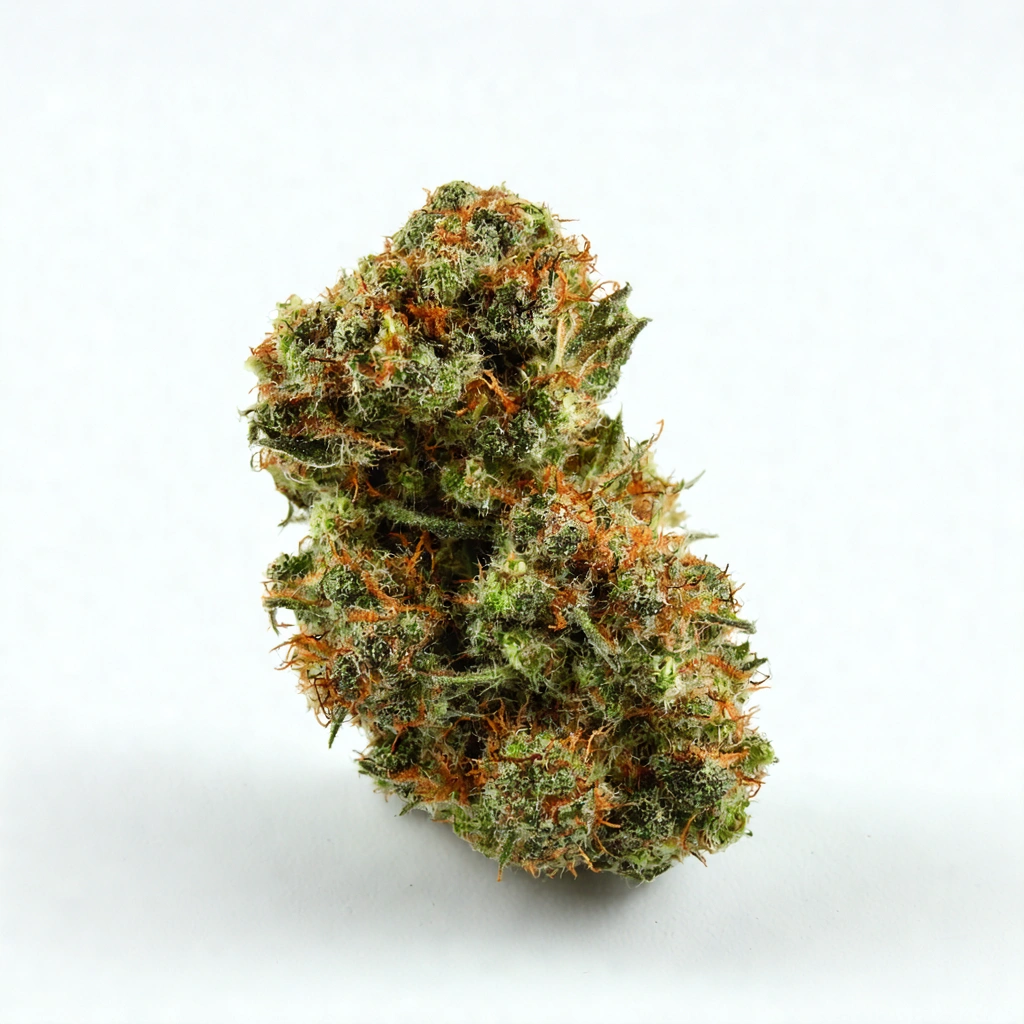
Cherry Skunk
Cherry Skunk
Also known as: Cherry Skunk Plushie
What is the Cherry Skunk strain?
Cherry Skunk is a indica cannabis strain with up to 24.0% THC, known for its relaxed effects and berry and cherry flavor profile.
Cherry Skunk is an indica-dominant hybrid strain created through crossing Skunk Dawg and Poppa Cherry. Though there appears to be some variation in reported lineage with different sources, the most consistent information indicates this genetic background. With THC levels ranging from 14% to 18% and up to 24% THC with 2% CBD in some phenotypes, Cherry Skunk offers a versatile experience suitable for both novice and experienced users. The strain is distinguished by its unique flavor profile that tastes exactly like its name suggests – sweet cherries and spicy skunk, while the aroma brings in earthy spices and herbs to complement the berry skunk overtone. Cherry Skunk buds feature round, super hairy dusty green nugs with fuzzy orange hairs and a thick blanket of tiny amber colored crystal trichomes. Despite its indica-dominant genetics, its psychedelic high is associated with an uplifting cerebral buzz that provides balanced effects between mental stimulation and physical relaxation. There is also a CBD-dominant version called Cherry Skunk CBD that is bred from Cherry Kush and Skunk #1 specifically for medical applications.
What are the effects of Cherry Skunk?
What are the medical benefits of Cherry Skunk?
- Users report relief from chronic pain
- May help with stress and anxiety
- Often used for depression
- Users report appetite stimulation
- May help with fatigue
- Often used for mood swings
This is not medical advice. Consult a healthcare professional.
What are the side effects of Cherry Skunk?
- 💧 Dry Mouth
- 👁️ Dry Eyes
- Dry mouth
- Dry eyes
- Possible dizziness
- Potential anxiety in high doses
How do you grow Cherry Skunk?
Cherry Skunk produces up to 12 ounces of buds per square meter indoors within 7 to 9 weeks flowering time. Outdoors, it typically produces more than 12 ounces of buds per plant. The strain features an indica-leaning structure that grows short and sturdy, with dense buds supported by strong lateral branches. Using the Sea of Green method can increase yields as its indica structure makes it naturally branchy. Growers in the northern hemisphere should expect flowering to begin before the second or third week of October. The strain is considered moderately easy to grow and adapts well to both indoor and outdoor environments. Being naturally bushy, it may need trimming from time to time to maintain proper airflow and light penetration.
How should you use Cherry Skunk?
Cherry Skunk is a indica strain with 24.0% THC, which is moderate potency. As an indica, it is best suited for evening or nighttime use.
Beginners
Start with 1-2 small inhalations or 2.5-5mg if using edibles. Wait 15 minutes before taking more. This strain is potent — start very low.
Regular Users
A standard session of 3-5 inhalations or 5-15mg edible dose. Effects typically onset within 5-15 minutes when inhaled, 30-90 minutes for edibles.
Experienced Users
Adjust to personal tolerance. Moderate doses should provide a satisfying experience.
Start low and go slow. This is not medical advice — consult a healthcare professional before using cannabis.
Frequently Asked Questions
How does Cherry Skunk make you feel?
Cherry Skunk is a indica strain that primarily produces relaxed effects, followed by happy. Users report the dominant effect at 80% intensity. With 24.0% THC, this strain is moderately strong and suitable for regular consumers.
Is Cherry Skunk good for medical use?
Cherry Skunk has been reported by users for users report relief from chronic pain, may help with stress and anxiety, often used for depression, users report appetite stimulation, may help with fatigue, often used for mood swings. As an indica strain, it may be particularly suited for evening or nighttime use.
This is not medical advice. Consult a healthcare professional.
Are there side effects with Cherry Skunk?
Some users have reported dry mouth, dry eyes, dry mouth, dry eyes, possible dizziness, potential anxiety in high doses when using Cherry Skunk. Starting with a low dose and staying hydrated can help minimize these effects.
What does Cherry Skunk taste and smell like?
Cherry Skunk features a flavor profile of berry, cherry, citrus, earthy, herbal, skunk, spicy, sweet. The dominant terpenes are Myrcene and Caryophyllene, which contribute to its distinctive aroma.
What do users say about Cherry Skunk?
Log in to write a review.
No reviews yet. Be the first to review Cherry Skunk!
What does the research say about Cherry Skunk?
Cherry Skunk is a indica cannabis strain containing up to 24.0% THC, with a terpene profile dominated by Myrcene and Caryophyllene. Below are authoritative resources for understanding the compounds in this strain.
Cannabinoid Information
Cannabis Regulations & Safety
What strains are similar to Cherry Skunk?
(G13 Hashplant x Chitral) F3 x Taskenti F2
IndicaTHC: Unknown
00 Kush
IndicaTHC: 15.0% - 22.0%
00 Kush Fast
IndicaTHC: 20.0% - 24.0%
12 Star
IndicaTHC: 20.0% - 25.0%
12lb Hammer
IndicaTHC: 20.0% - 28.0%
1979 Xmas Bud
IndicaTHC: Unknown
1984
IndicaTHC: 18.0% - 22.0%
2 Fast 2 Vast
IndicaTHC: 18.0% - 20.0%