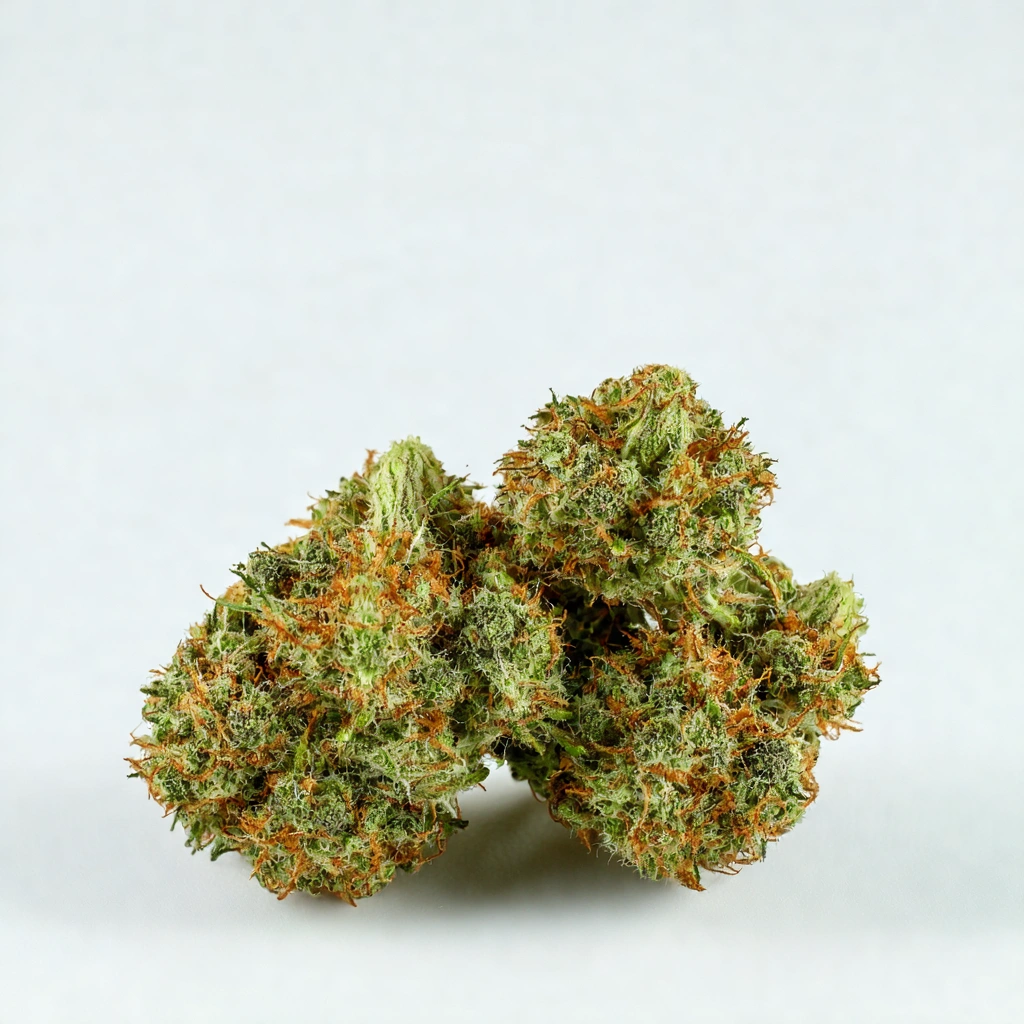
Cinderella 99
Cinderella 99
Also known as: C99, C-99, Cindy, Cindy 99, C-Class '99
What is the Cinderella 99 strain?
Cinderella 99 is a hybrid cannabis strain with up to 27.0% THC, known for its energetic effects and citrus and earthy flavor profile.
Cinderella 99, also known as "C99," "Cindy," and "Cindy 99," is a sativa-dominant hybrid marijuana strain bred by Mr. Soul of Brothers Grimm. According to Mr. Soul, C99 was created using seeds found in a Sensi branded 2 gram package of Jack Herer purchased at an Amsterdam coffee shop. Cinderella 99, often affectionately called "C99" or "Cindy," has a fascinating and somewhat serendipitous origin. Its story begins in the late 1990s when the breeder known as "Mr. Soul" from Brothers Grimm Seeds discovered a few seeds in a Sensi Seeds 2-gram package of Jack Herer purchased from a coffee shop in Amsterdam. Intrigued by the exceptional quality of the buds, he germinated the seeds and began a meticulous breeding project. Through a careful process of backcrossing and phenotype selection over several generations, Mr. Soul stabilized a line that consistently expressed the traits he admired—short flowering time, manageable height, dense buds, and a sweet, fruity aroma. One standout female phenotype, nicknamed "Princess," became the cornerstone of the Cinderella 99 project. First, he paired a Princess female with a Shiva Skunk male to add plant strength and used a triple backcrossing method called "cubing" to create the parent strain Cinderella 88. Finally, he bred Cinderella 88 with Princess once more to achieve what breeders call the Holy Grail of Hybrids — Cinderella 99. The resulting strain is 85% sativa and 15% indica, making it well-known for its energetic, euphoric effects and high THC content. Cinderella 99 is best known for her potent cerebral high, sweet fruity flavors, and epic yields. C99 is particularly renowned for its ability to deliver sativa-like effects with an impressively fast flowering time (usually 7–9 weeks), which is rare for sativa-dominant strains. This makes it a favorite among both indoor growers and those seeking a potent, creative, and clear-headed high without the long wait.
What are the effects of Cinderella 99?
What are the medical benefits of Cinderella 99?
- Users report relief from stress
- May help with fatigue
- Often used for anxiety relief
- Users report mood enhancement
- May help with depression
- Often used for chronic pain management
- Users report appetite stimulation
This is not medical advice. Consult a healthcare professional.
What are the side effects of Cinderella 99?
- 💧 Dry Mouth
- 👁️ Dry Eyes
- 😰 Anxiety
- 😨 Paranoia
- Dry mouth
- Dry eyes
- Possible anxiety in high doses
- Potential paranoia
- May cause dizziness
How do you grow Cinderella 99?
Flowering Time: 8 weeks, Yield: High, Grow Difficulty: Easy to moderate. Cinderella 99 is a moderately easy strain to grow. Its compact and robust plants require basic care, making it accessible for growers of all levels. Yes, Cinderella 99 is considered a good strain for beginners due to its resilience, ease of growth, and relatively short flowering period. Flowering Time: 56 – 63 days – Growing Environment: Suitable for both indoor and outdoor cultivation. When grown outdoors, harvest time usually falls between late September and early October. This strain can yield an estimated average of 16 ounces per square meter of good and fruity bud. Cindy 99 cultivated outdoors can yield around 35 ounces of bud per plant, and can be expected to be ready for a harvest around late September to early October. Cinderella 99 yields 16 ounces per square meter indoors and 35 ounces or more per plant outdoors. Indoor growers can expect yields ranging from 1.2 to 1.6 ounces per square foot (400-500 grams per square meter). Outdoor plants can produce between 16-32 ounces (450-900 grams) per plant, depending on the growing conditions and care provided. Cinderella 99 is a great option for growing indoors because of its size and stature. It's popular for either hydroponic or soil-based growing, but the strong aromas and flavors are best realized in soil. A consistent climate will help this strain hold onto its flavor. Try to keep it between 68 and 80 degrees Fahrenheit. This strain thrives in warm and sunny climates. Indoors, maintaining a daytime temperature between 68°F and 81°F and a slightly lower nighttime temperature is ideal. Relative humidity (RH) should be kept at 55%-60% during the vegetative phase and reduced to around 40% during the flowering phase.
How should you use Cinderella 99?
Cinderella 99 is a hybrid strain with 27.0% THC, which is considered high potency. As a hybrid, it offers versatility for both daytime and evening use.
Beginners
Start with 1-2 small inhalations or 2.5-5mg if using edibles. Wait 15 minutes before taking more. This strain is potent — start very low.
Regular Users
A standard session of 3-5 inhalations or 5-15mg edible dose. Effects typically onset within 5-15 minutes when inhaled, 30-90 minutes for edibles.
Experienced Users
Adjust to personal tolerance. At 27.0% THC, even experienced users should respect this strain's potency.
Start low and go slow. This is not medical advice — consult a healthcare professional before using cannabis.
What is the genetic lineage of Cinderella 99?
What strains were bred from Cinderella 99? (156)
- African Queen
- Apple Jaxx
- Automatic Cinderella Jack
- Beauty and the Beast
- Berry Diesel 99
- BluBonic Kronic
- Blue Cindy
- Blue City Queen
- Blue Velvet Cindy
- C99 F4
- C99 Haze
- C99 X TGA Vortex
- C99 x Blueberry FAST
- C99 x C99
- C99 x SSGH
- Cam1 x C99
- Candy Applez
- Cheese 99
- Chemdog 99
- Chemdog Sister x C99
- Chemdog x C99
- Cherry Cindy
- Chucky's Bride
- Cinderella 99 BX-1
- Cinderella 99 x Amnesia Haze
- Cinderella 99 x Riddle OG
- Cinderella Cream
- Cinderella Purple
- Cinderella’s Stash
- Cindy 99 x Cheese
- Cindy Hendrix
- Cindy La Pew
- Cindy Limone
- Cindyberry OG
- Cinna Mints
- Cinnamon Sticks
- Citrus Paridisi
- Cluster Bomb
- Cosmic Queen F4 S1
- Country Roads
- Crackerjack
- Crazy Horse
- D99
- DTC99
- Deep Shit
- Devil's Tit
- Diamond Diesel
- Dieselrella
- Dr. Feelgood
- Durban x C99
- Durban-Thai x C99 XX
- European Cinderella
- Exodus 99
- Fire 99
- Fireball
- Frenchie
- Furiosa
- G99
- G99P
- GG X C99
- GT3
- Galactica
- Geisha
- Genius Juice x Cinderella 99
- Ghaze99
- Glory Days
- Golden Pineapple S1
- Golden White Grapefruit
- Goldilocks 99
- Gooey x C99
- Grand Caper
- Grand Daddy Purple x Cinderella 99
- Grape Amnesia
- Grapefruit F3
- Grapefruit Superstar
- Grenadella
- Grimm Glue
- Grimm Glue BX
- Grimm Truffles
- Grimmdog XX
- Grinderella
- HEX
- Haze x Cinderella 99
- Headband x C99
- Heri C99
- Ice Princess
- Iranian Cindy 99
- Iron Cindy
- Jack Phoenix #3
- Jelly Beans
- Juliet
- Junky 99
- Killa Queen
- Killer Queen Redux
- Killer Queen XX
- Lady Berry Kush
- Limon Y Pina #1
- Limon Y Pina #3
- Lonestar Sharon's White Widow x Cinderella 99
- MOB99
- Madcap Princess
- Madness
- Magnesia Auto
- Malawi 99
- Master Kush x C99
- Mexican Cinderella
- Northern Lights x Cinderella 99
- Orange Velvet x Cinderella 99
- Original Cinderella Auto
- Pain Killer
- Papaya 99
- Piensa en C99
- Pineapple 99
- Pineapple Larry OG
- Pineapple Princess
- Platinum Berry 99
- Platinum Cindy
- Princess Mist
- Purple Cindy Bubba
- Queen of Soul
- Rebel God Smoke
- Romulan x C99
- Rosetta Stone XX
- S-99
- Silver 99
- Silver Princess Mc Jaggen
- Sin Diesel
- Sour Apple Sucka
- Sour Applez
- Space
- Space Queen #13
- Space Queen F3
- Spicy Cinderella 99
- Sputnik 3.0
- Star 99
- Strawberry Diesel x C99
- Sugaree
- Sweet Apple Cider
- SweetCindy '05
- SweetCindy 99
- Sweetest Cindy 99
- T99
- Thai Herer 99
- Thai99
- The White x C99
- Thor's Hammer
- Thor's Hammer IX
- Thunder N' Lighting
- Triple 9
- Tsi Fly
- Vegan Safari Ultra Early
- Vertical Worship
- Viagrra
- Widowrella
- Witches Weed
- Xena
Frequently Asked Questions
How does Cinderella 99 make you feel?
Cinderella 99 is a hybrid strain that primarily produces energetic effects, followed by euphoric. Users report the dominant effect at 85% intensity. With 27.0% THC, this strain is considered potent and best suited for experienced users.
Is Cinderella 99 good for medical use?
Cinderella 99 has been reported by users for users report relief from stress, may help with fatigue, often used for anxiety relief, users report mood enhancement, may help with depression, often used for chronic pain management, users report appetite stimulation. As a hybrid, it offers a balanced profile that may work throughout the day.
This is not medical advice. Consult a healthcare professional.
Are there side effects with Cinderella 99?
Some users have reported dry mouth, dry eyes, anxiety, paranoia, dry mouth, dry eyes, possible anxiety in high doses, potential paranoia, may cause dizziness when using Cinderella 99. Starting with a low dose and staying hydrated can help minimize these effects.
What does Cinderella 99 taste and smell like?
Cinderella 99 features a flavor profile of citrus, earthy, fruity, grapefruit, pine, pineapple, sweet, tropical. The dominant terpenes are Myrcene and Limonene, which contribute to its distinctive aroma.
What do users say about Cinderella 99?
Log in to write a review.
No reviews yet. Be the first to review Cinderella 99!
What does the research say about Cinderella 99?
Cinderella 99 is a hybrid cannabis strain containing up to 27.0% THC, with a terpene profile dominated by Myrcene and Limonene. Below are authoritative resources for understanding the compounds in this strain.
Terpene Research
Cannabinoid Information
Cannabis Regulations & Safety
What strains are similar to Cinderella 99?
#1 Stunna
HybridTHC: 20.0% - 30.0%
#41 Zi
HybridTHC: Unknown
$.i.N.G
HybridTHC: 18.0% - 24.0%
'78 LA OG Affie
HybridTHC: 22.0% - 23.0%
'78 Skunk 'D' x Gorilla Grape
HybridTHC: Unknown
'78 Skunk 'M' x Gorilla Grape
HybridTHC: Unknown
'87 Firebird
HybridTHC: 18.0% - 23.0%
'98 Aloha White Widow
HybridTHC: 20.0% - 25.0%