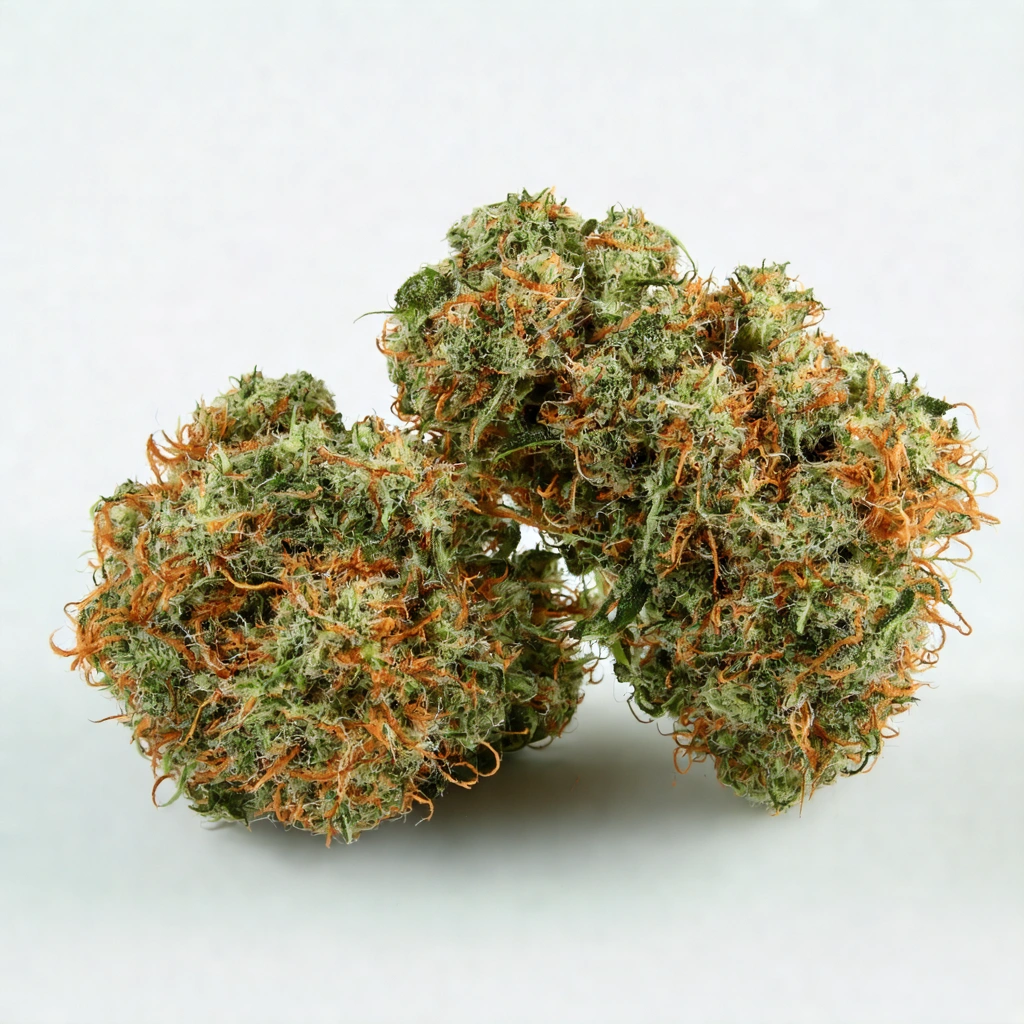
Citrus Haze
Citrus Haze
Also known as: Citric Haze
What is the Citrus Haze strain?
Citrus Haze is a hybrid cannabis strain with up to 18.0% THC, known for its energetic effects and citrus and earthy flavor profile.
Citrus Haze is a sativa-dominant hybrid strain that represents the convergence of citrus-forward genetics in the cannabis world. The most commonly documented version is created through crossing Lemon Haze with Citrus Sunshine strain, though variations exist including crosses of Super Silver Haze with Lemon Alien. This strain emerged from the broader Haze family legacy, which traces back to 1960s California breeding programs that combined landrace genetics from Mexico, Colombia, and Thailand. Citrus Haze exhibits the classic Haze structure with bright neon green nugs adorned with fiery orange hairs and a generous coating of clear crystal trichomes. The strain maintains the energizing sativa characteristics of its Haze lineage while incorporating the sweet citrus profile from its lemon-forward parentage. With THC levels typically ranging from 10-18%, it offers a more moderate potency compared to many modern hybrids, making it accessible to a broader range of consumers while still delivering the uplifting effects characteristic of quality Haze genetics.
What are the effects of Citrus Haze?
What are the medical benefits of Citrus Haze?
- Users report relief from chronic fatigue
- May help with mood swings
- Often used for depression
- Users report stress relief
- May help with focus-related conditions
This is not medical advice. Consult a healthcare professional.
What are the side effects of Citrus Haze?
- 💧 Dry Mouth
- 👁️ Dry Eyes
- 😰 Anxiety
- Dry mouth
- Dry eyes
- Possible anxiety in sensitive users
- Mild dizziness
How do you grow Citrus Haze?
Citrus Haze demonstrates typical sativa-dominant growth patterns with moderate difficulty for cultivation. The strain benefits from the hardy Haze genetics, showing good mold resistance. Indoor flowering time ranges from 9-11 weeks, which is shorter than pure Haze varieties but still requires patience. Plants can stretch significantly during flower, requiring adequate vertical space or training techniques. Yields are typically moderate to good when grown properly. The strain performs well in both indoor and outdoor environments, though outdoor cultivation benefits from warm, Mediterranean-like climates with long growing seasons. Growers should expect plants that may require support due to the weight of resinous flowers.
How should you use Citrus Haze?
Citrus Haze is a hybrid strain with 18.0% THC, which is moderate potency. As a hybrid, it offers versatility for both daytime and evening use.
Beginners
Start with 1-2 small inhalations or 2.5-5mg if using edibles. Wait 15 minutes before taking more.
Regular Users
A standard session of 3-5 inhalations or 5-15mg edible dose. Effects typically onset within 5-15 minutes when inhaled, 30-90 minutes for edibles.
Experienced Users
Adjust to personal tolerance. Moderate doses should provide a satisfying experience.
Start low and go slow. This is not medical advice — consult a healthcare professional before using cannabis.
What is the genetic lineage of Citrus Haze?
What are Citrus Haze's parent strains?
Frequently Asked Questions
How does Citrus Haze make you feel?
Citrus Haze is a hybrid strain that primarily produces energetic effects, followed by euphoric. Users report the dominant effect at 85% intensity. With 18.0% THC, this strain is moderately strong and suitable for regular consumers.
Is Citrus Haze good for medical use?
Citrus Haze has been reported by users for users report relief from chronic fatigue, may help with mood swings, often used for depression, users report stress relief, may help with focus-related conditions. As a hybrid, it offers a balanced profile that may work throughout the day.
This is not medical advice. Consult a healthcare professional.
Are there side effects with Citrus Haze?
Some users have reported dry mouth, dry eyes, anxiety, dry mouth, dry eyes, possible anxiety in sensitive users, mild dizziness when using Citrus Haze. Starting with a low dose and staying hydrated can help minimize these effects.
What does Citrus Haze taste and smell like?
Citrus Haze features a flavor profile of citrus, earthy, haze, lemon, orange, pine, sweet. The dominant terpenes are Terpinolene and Limonene, which contribute to its distinctive aroma.
What do users say about Citrus Haze?
Log in to write a review.
No reviews yet. Be the first to review Citrus Haze!
What does the research say about Citrus Haze?
Citrus Haze is a hybrid cannabis strain containing up to 18.0% THC, with a terpene profile dominated by Terpinolene and Limonene. Below are authoritative resources for understanding the compounds in this strain.
Cannabinoid Information
Cannabis Regulations & Safety
What strains are similar to Citrus Haze?
#1 Stunna
HybridTHC: 20.0% - 30.0%
#41 Zi
HybridTHC: Unknown
$.i.N.G
HybridTHC: 18.0% - 24.0%
'78 LA OG Affie
HybridTHC: 22.0% - 23.0%
'78 Skunk 'D' x Gorilla Grape
HybridTHC: Unknown
'78 Skunk 'M' x Gorilla Grape
HybridTHC: Unknown
'87 Firebird
HybridTHC: 18.0% - 23.0%
'98 Aloha White Widow
HybridTHC: 20.0% - 25.0%