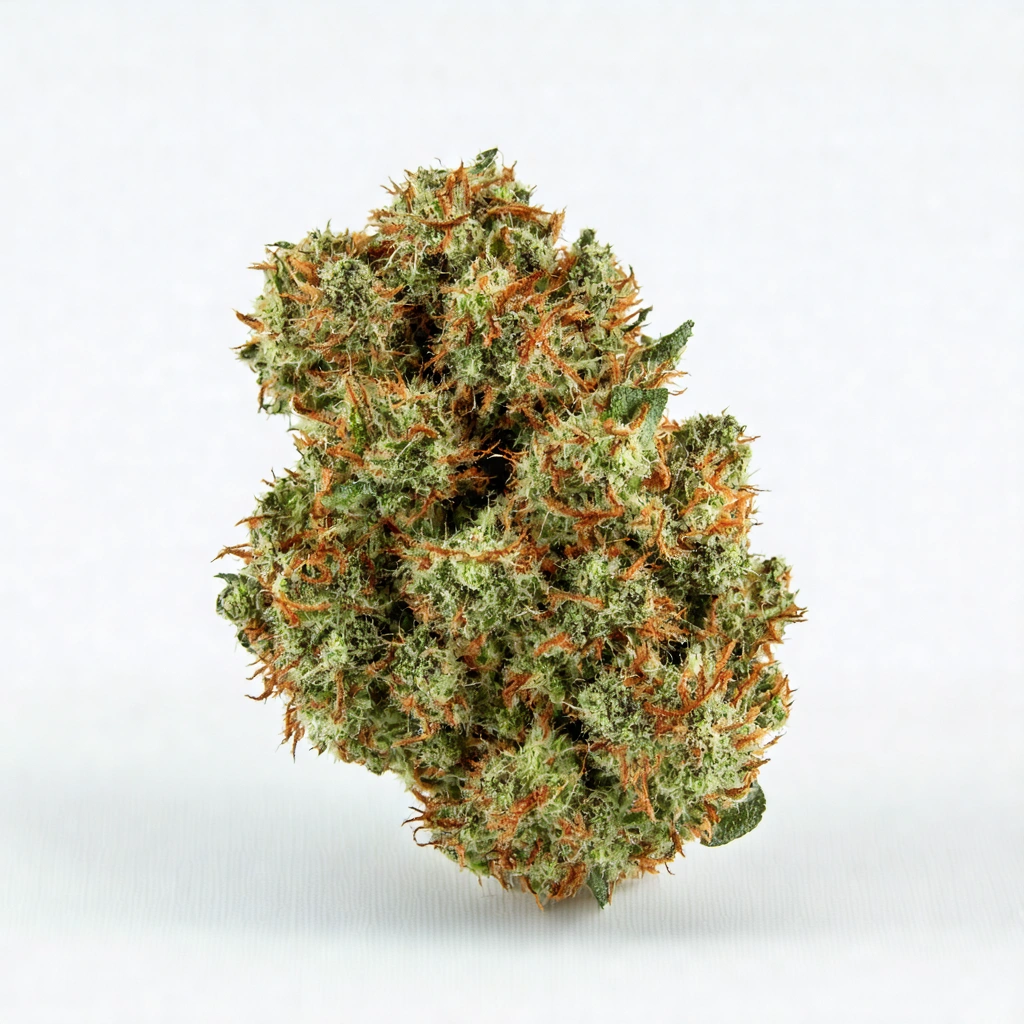
Cotton Candy Grapes
Cotton Candy Grapes
Also known as: CCG, Cotton Candy Grape
What is the Cotton Candy Grapes strain?
Cotton Candy Grapes is a hybrid cannabis strain with up to 31.0% THC, known for its relaxed effects and diesel and earthy flavor profile.
Cotton Candy Grapes is a cannabis strain that exists in multiple variations from different breeders, including Envy Genetics, Diamond Rock Genetics, Blue Bloods Grow, and Super Dave Genetics. The most documented version comes from Envy Genetics, featuring genetics from Grape Pie crossed with BlowPops. This hybrid strain emerged in the early 2020s during a period when cannabis breeders were exploring unconventional flavor profiles combining sweet, fruity characteristics. The strain is celebrated for its distinctive aromatic profile that combines the nostalgic sweetness of cotton candy with the rich, vibrant essence of grapes, creating a candy-like sensory experience. The buds typically display dense, compact structures with heavy trichome coverage, dark green leaves with purple undertones, and amber pistils, making them visually striking and indicating high potency. Different breeder versions show varying indica-to-sativa ratios, with some leaning heavily indica-dominant while others present as balanced hybrids.
What are the effects of Cotton Candy Grapes?
What are the medical benefits of Cotton Candy Grapes?
- Users report relief from chronic pain
- May help with stress and anxiety
- Often used for muscle spasms and arthritis
- May assist with insomnia
- Users report help with depression symptoms
- May provide neuroprotective benefits
This is not medical advice. Consult a healthcare professional.
What are the side effects of Cotton Candy Grapes?
- 💧 Dry Mouth
- 👁️ Dry Eyes
- Dry mouth
- Dry eyes
- Possible couch lock in heavy doses
- May cause anxiety in sensitive users
- Potential sedation
How do you grow Cotton Candy Grapes?
Cotton Candy Grapes can be cultivated indoors, outdoors, or in greenhouses with moderate to advanced difficulty. Flowering time ranges from 61-70 days (9-10 weeks) depending on the breeder version. Plants show medium height with strong lateral branching and thick colas, producing medium to high yields. The strain thrives under training techniques and requires good airflow due to dense flower structure. It prefers controlled humidity levels of 40-50% during flowering to preserve terpenes and prevent mold. Indoor cultivation with LED or HPS lighting maximizes trichome production. The strain is ideal for hash-making due to high resin output and trichome density.
How should you use Cotton Candy Grapes?
Cotton Candy Grapes is a hybrid strain with 31.0% THC, which is considered high potency. As a hybrid, it offers versatility for both daytime and evening use.
Beginners
Start with 1-2 small inhalations or 2.5-5mg if using edibles. Wait 15 minutes before taking more. This strain is potent — start very low.
Regular Users
A standard session of 3-5 inhalations or 5-15mg edible dose. Effects typically onset within 5-15 minutes when inhaled, 30-90 minutes for edibles.
Experienced Users
Adjust to personal tolerance. At 31.0% THC, even experienced users should respect this strain's potency.
Start low and go slow. This is not medical advice — consult a healthcare professional before using cannabis.
What is the genetic lineage of Cotton Candy Grapes?
What are Cotton Candy Grapes's parent strains?
Frequently Asked Questions
How does Cotton Candy Grapes make you feel?
Cotton Candy Grapes is a hybrid strain that primarily produces relaxed effects, followed by calm. Users report the dominant effect at 85% intensity. With 31.0% THC, this strain is considered potent and best suited for experienced users.
Is Cotton Candy Grapes good for medical use?
Cotton Candy Grapes has been reported by users for users report relief from chronic pain, may help with stress and anxiety, often used for muscle spasms and arthritis, may assist with insomnia, users report help with depression symptoms, may provide neuroprotective benefits. As a hybrid, it offers a balanced profile that may work throughout the day.
This is not medical advice. Consult a healthcare professional.
Are there side effects with Cotton Candy Grapes?
Some users have reported dry mouth, dry eyes, dry mouth, dry eyes, possible couch lock in heavy doses, may cause anxiety in sensitive users, potential sedation when using Cotton Candy Grapes. Starting with a low dose and staying hydrated can help minimize these effects.
What does Cotton Candy Grapes taste and smell like?
Cotton Candy Grapes features a flavor profile of diesel, earthy, fruity, grape, sweet. The dominant terpenes are Caryophyllene and Nerolidol, which contribute to its distinctive aroma.
What do users say about Cotton Candy Grapes?
Log in to write a review.
No reviews yet. Be the first to review Cotton Candy Grapes!
What does the research say about Cotton Candy Grapes?
Cotton Candy Grapes is a hybrid cannabis strain containing up to 31.0% THC, with a terpene profile dominated by Caryophyllene and Nerolidol. Below are authoritative resources for understanding the compounds in this strain.
Cannabinoid Information
Cannabis Regulations & Safety
What strains are similar to Cotton Candy Grapes?
#1 Stunna
HybridTHC: 20.0% - 30.0%
#41 Zi
HybridTHC: Unknown
$.i.N.G
HybridTHC: 18.0% - 24.0%
'78 LA OG Affie
HybridTHC: 22.0% - 23.0%
'78 Skunk 'D' x Gorilla Grape
HybridTHC: Unknown
'78 Skunk 'M' x Gorilla Grape
HybridTHC: Unknown
'87 Firebird
HybridTHC: 18.0% - 23.0%
'98 Aloha White Widow
HybridTHC: 20.0% - 25.0%