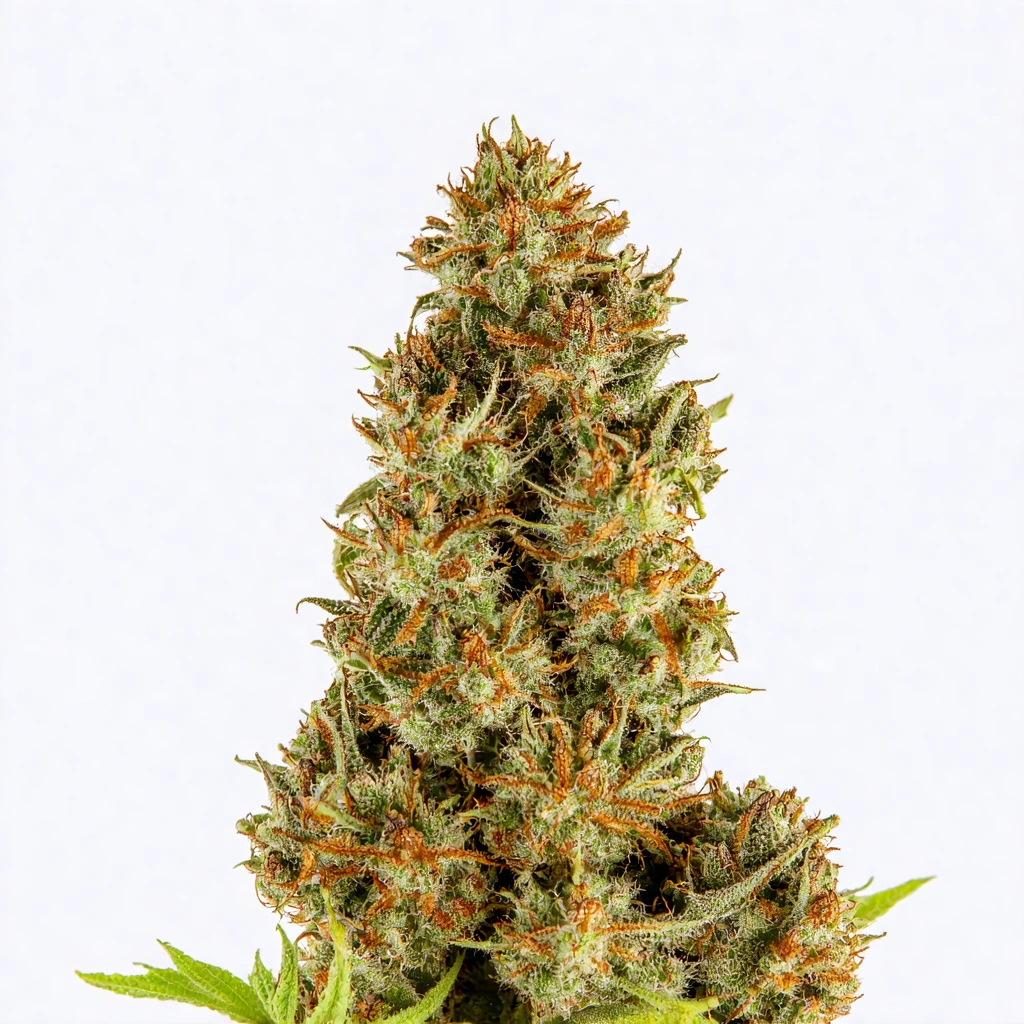
Cranberry Kush
Cranberry Kush
Also known as: Cranberry, Cranberry OG
What is the Cranberry Kush strain?
Cranberry Kush is a hybrid cannabis strain with up to 26.0% THC, known for its relaxed effects and berry and citrus flavor profile.
Cranberry Kush is an indica-dominant hybrid strain (70% indica/30% sativa) that emerged in the North American cannabis scene during the late 2000s and early 2010s. Created by breeders at the Cannabis Social Club Barcelona, this strain represents a family of closely related cultivars rather than a single standardized variety, as multiple breeders have developed their own versions under the same name. The strain was developed to meet consumer demand for dessert-flavored cultivars by crossing classic Kush genetics with berry-forward lineages. Cranberry Kush is distinguished by its unique cranberry and citrus flavor profile, which becomes more pronounced when plants are exposed to cooler nighttime temperatures during late flowering, triggering anthocyanin expression that gives buds their characteristic cranberry-red to violet coloration. The strain features light green, fluffy nugs covered in sugary crystal trichomes with minimal resin and orange hairs, making it highly sought after by both recreational users and concentrate makers.
What are the effects of Cranberry Kush?
What are the medical benefits of Cranberry Kush?
- Users report relief from stress and anxiety
- May help with chronic pain management
- Often used for insomnia and sleep disorders
- Reported to stimulate appetite
- May provide relief from mild depression
This is not medical advice. Consult a healthcare professional.
What are the side effects of Cranberry Kush?
- 💧 Dry Mouth
- 👁️ Dry Eyes
- 😰 Anxiety
- Dry mouth
- Dry eyes
- Possible anxiety in sensitive users or high doses
- Potential couch-lock effect
- May cause drowsiness
How do you grow Cranberry Kush?
Cranberry Kush is considered moderately difficult to grow, requiring attention to environmental conditions to achieve the characteristic cranberry coloration and flavor profile. The strain has a flowering time of approximately 8-9 weeks (56-63 days) and can be cultivated indoors, outdoors, or in greenhouse environments. Cool nighttime temperatures below 64-66°F (18-19°C) during late flowering are essential to activate anthocyanin expression for the signature cranberry hues. Plants tend to be compact and manageable in height, typical of indica-dominant genetics. Yields are moderate, and the strain is noted for its dense trichome production, making it excellent for concentrate extraction. Growers should monitor for powdery mildew susceptibility and maintain proper humidity levels.
How should you use Cranberry Kush?
Cranberry Kush is a hybrid strain with 26.0% THC, which is considered high potency. As a hybrid, it offers versatility for both daytime and evening use.
Beginners
Start with 1-2 small inhalations or 2.5-5mg if using edibles. Wait 15 minutes before taking more. This strain is potent — start very low.
Regular Users
A standard session of 3-5 inhalations or 5-15mg edible dose. Effects typically onset within 5-15 minutes when inhaled, 30-90 minutes for edibles.
Experienced Users
Adjust to personal tolerance. At 26.0% THC, even experienced users should respect this strain's potency.
Start low and go slow. This is not medical advice — consult a healthcare professional before using cannabis.
What is the genetic lineage of Cranberry Kush?
What are Cranberry Kush's parent strains?
What strains were bred from Cranberry Kush?
Frequently Asked Questions
How does Cranberry Kush make you feel?
Cranberry Kush is a hybrid strain that primarily produces relaxed effects, followed by calm. Users report the dominant effect at 85% intensity. With 26.0% THC, this strain is considered potent and best suited for experienced users.
Is Cranberry Kush good for medical use?
Cranberry Kush has been reported by users for users report relief from stress and anxiety, may help with chronic pain management, often used for insomnia and sleep disorders, reported to stimulate appetite, may provide relief from mild depression. As a hybrid, it offers a balanced profile that may work throughout the day.
This is not medical advice. Consult a healthcare professional.
Are there side effects with Cranberry Kush?
Some users have reported dry mouth, dry eyes, anxiety, dry mouth, dry eyes, possible anxiety in sensitive users or high doses, potential couch-lock effect, may cause drowsiness when using Cranberry Kush. Starting with a low dose and staying hydrated can help minimize these effects.
What does Cranberry Kush taste and smell like?
Cranberry Kush features a flavor profile of berry, citrus, diesel, earthy, sweet. The dominant terpenes are Myrcene and Limonene, which contribute to its distinctive aroma.
What do users say about Cranberry Kush?
Log in to write a review.
No reviews yet. Be the first to review Cranberry Kush!
What does the research say about Cranberry Kush?
Cranberry Kush is a hybrid cannabis strain containing up to 26.0% THC, with a terpene profile dominated by Myrcene and Limonene. Below are authoritative resources for understanding the compounds in this strain.
Cannabinoid Information
Cannabis Regulations & Safety
What strains are similar to Cranberry Kush?
#1 Stunna
HybridTHC: 20.0% - 30.0%
#41 Zi
HybridTHC: Unknown
$.i.N.G
HybridTHC: 18.0% - 24.0%
'78 LA OG Affie
HybridTHC: 22.0% - 23.0%
'78 Skunk 'D' x Gorilla Grape
HybridTHC: Unknown
'78 Skunk 'M' x Gorilla Grape
HybridTHC: Unknown
'87 Firebird
HybridTHC: 18.0% - 23.0%
'98 Aloha White Widow
HybridTHC: 20.0% - 25.0%