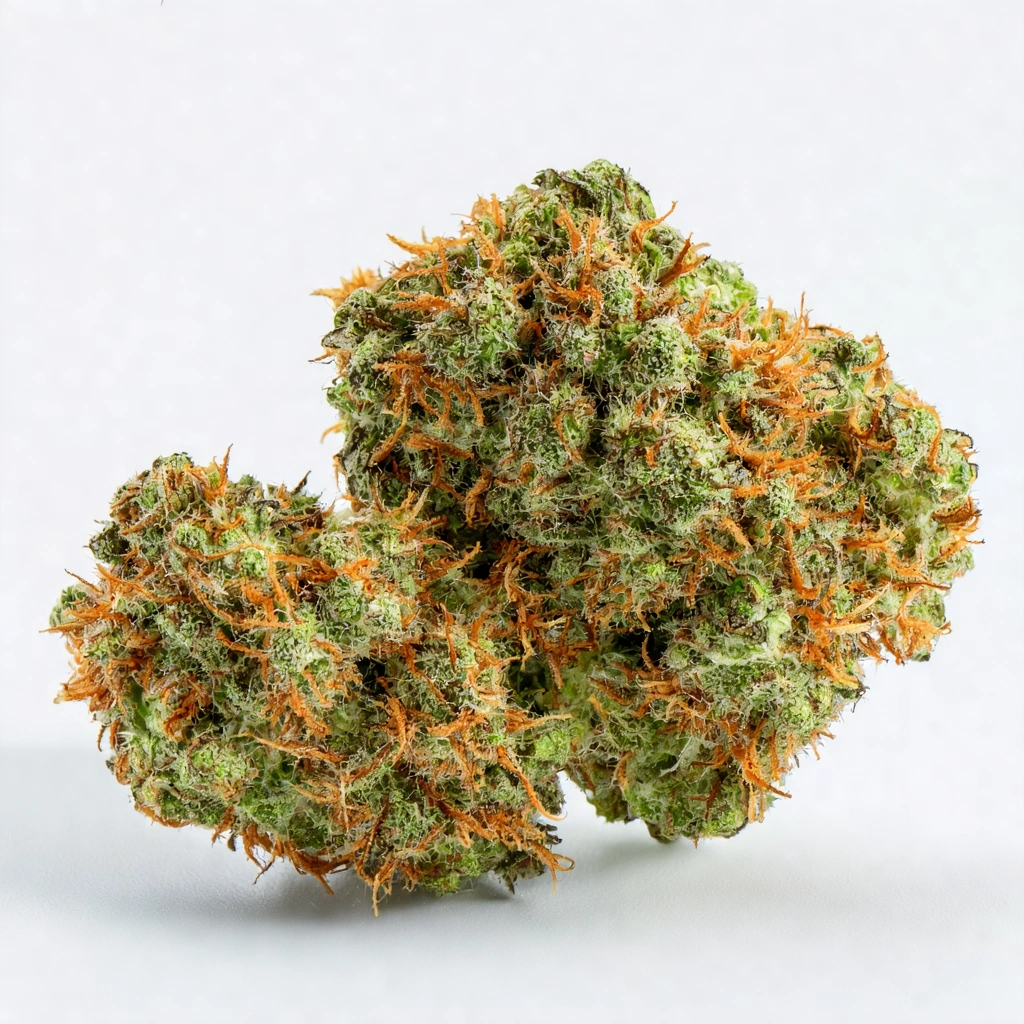
Critical Fast Version
Critical Fast Version
Also known as: Critical Mass Fast Version, Critical Mass Fast, Critical Plus Fast
What is the Critical Fast Version strain?
Critical Fast Version is a hybrid cannabis strain with up to 23.0% THC, known for its body high effects and citrus and earthy flavor profile.
Critical Fast Version is an indica-dominant hybrid (60% Indica / 40% Sativa) that results from crossing Critical Mass with a Secret Hybrid Auto, though some sources indicate Afghani and Skunk genetics. This strain has an intriguing origin story, primarily stemming from Europe, particularly the Netherlands, which is renowned for its expertise in cannabis breeding. The strain was developed to maximize yield and potency through a meticulous selection process, combining speed and productivity for both commercial and personal growers.
Critical Fast Version distinguishes itself through its exceptionally quick flowering time of just 6 to 7 weeks, which is at least a week faster than regular photoperiod strains without compromising on yields. The strain produces dense, resinous buds with vibrant colors including shades of green and orange, coated in a thick layer of trichomes giving them a frosty appearance. This Fast Version typically has higher CBD content than regular Critical versions, which may improve its medicinal potential. The plant maintains the distinguished lineage tradition of the Critical family, known for producing humongous buds.
What are the effects of Critical Fast Version?
What are the medical benefits of Critical Fast Version?
- Users report relief from chronic pain
- May help with insomnia and sleep regulation
- Often used for stress and anxiety relief
- Users report appetite stimulation
- May assist with muscle spasms and tension
This is not medical advice. Consult a healthcare professional.
What are the side effects of Critical Fast Version?
- 💧 Dry Mouth
- 👁️ Dry Eyes
- Dry mouth
- Dry eyes
- Possible anxiety in novice users
- Sedation and couch-lock effects
- Potential for increased appetite
How do you grow Critical Fast Version?
Indoor cultivation produces flowering times of 6-8 weeks with yields of 400-500g/m² (1.31-1.64 oz/ft²). Outdoor cultivation harvests in early to mid-September with yields of 300-1000g per plant. The strain thrives best in Mediterranean-like climates with temperatures between 68-78°F (20-25°C). Critical Fast Version is resistant to most pests and mold, making it suitable for beginners. Plants grow to medium height and respond well to techniques like topping and low-stress training (LST). It can adapt to elevations up to 1000 meters and requires adequate precipitation of 500-1000mm per year with well-draining soil. The strain is considered easy to grow with low maintenance requirements and ability to handle various growing conditions.
How should you use Critical Fast Version?
Critical Fast Version is a hybrid strain with 23.0% THC, which is moderate potency. As a hybrid, it offers versatility for both daytime and evening use.
Beginners
Start with 1-2 small inhalations or 2.5-5mg if using edibles. Wait 15 minutes before taking more. This strain is potent — start very low.
Regular Users
A standard session of 3-5 inhalations or 5-15mg edible dose. Effects typically onset within 5-15 minutes when inhaled, 30-90 minutes for edibles.
Experienced Users
Adjust to personal tolerance. Moderate doses should provide a satisfying experience.
Start low and go slow. This is not medical advice — consult a healthcare professional before using cannabis.
What is the genetic lineage of Critical Fast Version?
What are Critical Fast Version's parent strains?
Frequently Asked Questions
How does Critical Fast Version make you feel?
Critical Fast Version is a hybrid strain that primarily produces body high effects, followed by relaxed. Users report the dominant effect at 85% intensity. With 23.0% THC, this strain is moderately strong and suitable for regular consumers.
Is Critical Fast Version good for medical use?
Critical Fast Version has been reported by users for users report relief from chronic pain, may help with insomnia and sleep regulation, often used for stress and anxiety relief, users report appetite stimulation, may assist with muscle spasms and tension. As a hybrid, it offers a balanced profile that may work throughout the day.
This is not medical advice. Consult a healthcare professional.
Are there side effects with Critical Fast Version?
Some users have reported dry mouth, dry eyes, dry mouth, dry eyes, possible anxiety in novice users, sedation and couch-lock effects, potential for increased appetite when using Critical Fast Version. Starting with a low dose and staying hydrated can help minimize these effects.
What does Critical Fast Version taste and smell like?
Critical Fast Version features a flavor profile of citrus, earthy, lemon, pine, spicy, sweet, woody. The dominant terpenes are Myrcene and Limonene, which contribute to its distinctive aroma.
What do users say about Critical Fast Version?
Log in to write a review.
No reviews yet. Be the first to review Critical Fast Version!
What does the research say about Critical Fast Version?
Critical Fast Version is a hybrid cannabis strain containing up to 23.0% THC, with a terpene profile dominated by Myrcene and Limonene. Below are authoritative resources for understanding the compounds in this strain.
Cannabinoid Information
Cannabis Regulations & Safety
What strains are similar to Critical Fast Version?
#1 Stunna
HybridTHC: 20.0% - 30.0%
#41 Zi
HybridTHC: Unknown
$.i.N.G
HybridTHC: 18.0% - 24.0%
'78 LA OG Affie
HybridTHC: 22.0% - 23.0%
'78 Skunk 'D' x Gorilla Grape
HybridTHC: Unknown
'78 Skunk 'M' x Gorilla Grape
HybridTHC: Unknown
'87 Firebird
HybridTHC: 18.0% - 23.0%
'98 Aloha White Widow
HybridTHC: 20.0% - 25.0%