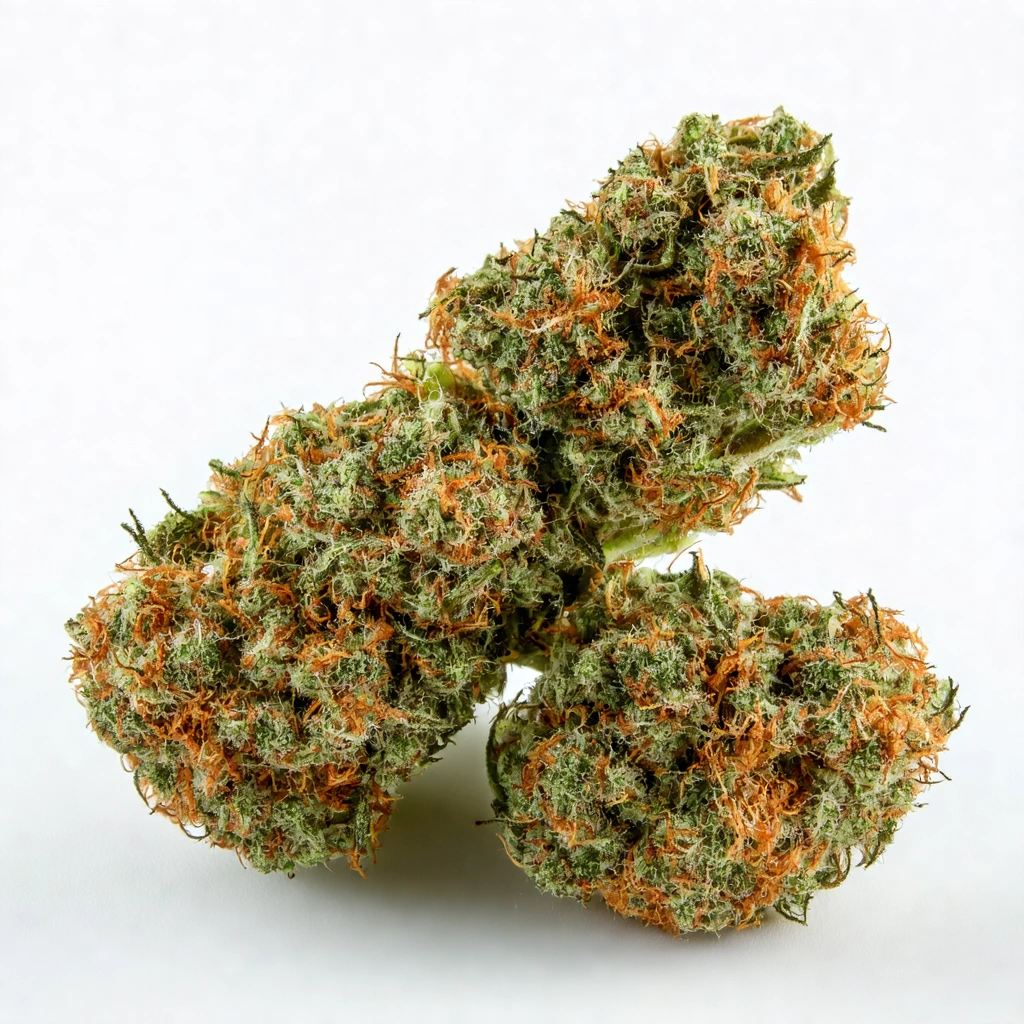
Critical Glue #4 Auto
Critical Glue #4 Auto
Also known as: Critical GG Auto, Critical x Gorilla Glue #4 Auto, Critical Gorilla Glue Auto
What is the Critical Glue #4 Auto strain?
Critical Glue #4 Auto is a hybrid cannabis strain with up to 25.0% THC, known for its relaxed effects and chocolate and citrus flavor profile.
Critical Glue #4 Auto is an indica-dominant hybrid strain (70% indica / 30% sativa) developed by High Speed Buds. This autoflowering strain emerged from crossing a selected Gorilla Glue #4 with Critical Mass genetics, creating a potent and aromatic hybrid that combines the best attributes of both parent strains. The strain was designed to offer exceptional resin production while maintaining the rapid growth characteristics of autoflowering genetics.
The strain exhibits classic physical characteristics with bright green, almost neon-colored buds that feature rich purple hues and bright red pistils, giving it a distinctive and appealing appearance. The dense, chunky flowers are completely covered in a thick coating of resinous trichomes, living up to the 'Glue' name with their exceptional stickiness. Plants typically remain compact with short internodes indoors, forming large, dense buds along the main stem. Indoor plants reach approximately 1 meter in height, while outdoor cultivations can achieve heights of up to 120cm, making it suitable for various growing environments.
What are the effects of Critical Glue #4 Auto?
What are the medical benefits of Critical Glue #4 Auto?
- Users report relief from chronic pain
- May help with arthritis and fibromyalgia
- Often used for insomnia and sleep disorders
- May assist with stress and anxiety
- Users report appetite stimulation
- May help with inflammation
This is not medical advice. Consult a healthcare professional.
What are the side effects of Critical Glue #4 Auto?
- 💧 Dry Mouth
- 👁️ Dry Eyes
- 😰 Anxiety
- Dry mouth
- Dry eyes
- Possible anxiety at high doses
- Mild dizziness
- Potential paranoia with overconsumption
How do you grow Critical Glue #4 Auto?
Critical Glue #4 Auto is considered moderate difficulty to grow. The autoflowering strain completes its entire life cycle in 8-9 weeks from seed to harvest, making it exceptionally fast. Indoor yields can reach up to 600g/m² with proper care, while outdoor plants typically produce 120-160g per plant. The strain thrives in both indoor and outdoor environments, preferring well-draining soil and controlled humidity levels. Due to its autoflowering genetics, high-stress training techniques like topping or cropping are not recommended, but low-stress training (LST) can help maximize yields. The plant's exceptional resin production can make handling challenging during cultivation and harvest, requiring careful attention to environmental factors to prevent mold issues.
How should you use Critical Glue #4 Auto?
Critical Glue #4 Auto is a hybrid strain with 25.0% THC, which is considered high potency. As a hybrid, it offers versatility for both daytime and evening use.
Beginners
Start with 1-2 small inhalations or 2.5-5mg if using edibles. Wait 15 minutes before taking more. This strain is potent — start very low.
Regular Users
A standard session of 3-5 inhalations or 5-15mg edible dose. Effects typically onset within 5-15 minutes when inhaled, 30-90 minutes for edibles.
Experienced Users
Adjust to personal tolerance. At 25.0% THC, even experienced users should respect this strain's potency.
Start low and go slow. This is not medical advice — consult a healthcare professional before using cannabis.
What is the genetic lineage of Critical Glue #4 Auto?
What are Critical Glue #4 Auto's parent strains?
Frequently Asked Questions
How does Critical Glue #4 Auto make you feel?
Critical Glue #4 Auto is a hybrid strain that primarily produces relaxed effects, followed by euphoric. Users report the dominant effect at 85% intensity. With 25.0% THC, this strain is considered potent and best suited for experienced users.
Is Critical Glue #4 Auto good for medical use?
Critical Glue #4 Auto has been reported by users for users report relief from chronic pain, may help with arthritis and fibromyalgia, often used for insomnia and sleep disorders, may assist with stress and anxiety, users report appetite stimulation, may help with inflammation. As a hybrid, it offers a balanced profile that may work throughout the day.
This is not medical advice. Consult a healthcare professional.
Are there side effects with Critical Glue #4 Auto?
Some users have reported dry mouth, dry eyes, anxiety, dry mouth, dry eyes, possible anxiety at high doses, mild dizziness, potential paranoia with overconsumption when using Critical Glue #4 Auto. Starting with a low dose and staying hydrated can help minimize these effects.
What does Critical Glue #4 Auto taste and smell like?
Critical Glue #4 Auto features a flavor profile of chocolate, citrus, coffee, diesel, earthy, fruity, pine, woody. The dominant terpenes are Caryophyllene and Limonene, which contribute to its distinctive aroma.
What do users say about Critical Glue #4 Auto?
Log in to write a review.
No reviews yet. Be the first to review Critical Glue #4 Auto!
What does the research say about Critical Glue #4 Auto?
Critical Glue #4 Auto is a hybrid cannabis strain containing up to 25.0% THC, with a terpene profile dominated by Caryophyllene and Limonene. Below are authoritative resources for understanding the compounds in this strain.
Cannabinoid Information
Cannabis Regulations & Safety
What strains are similar to Critical Glue #4 Auto?
#1 Stunna
HybridTHC: 20.0% - 30.0%
#41 Zi
HybridTHC: Unknown
$.i.N.G
HybridTHC: 18.0% - 24.0%
'78 LA OG Affie
HybridTHC: 22.0% - 23.0%
'78 Skunk 'D' x Gorilla Grape
HybridTHC: Unknown
'78 Skunk 'M' x Gorilla Grape
HybridTHC: Unknown
'87 Firebird
HybridTHC: 18.0% - 23.0%
'98 Aloha White Widow
HybridTHC: 20.0% - 25.0%