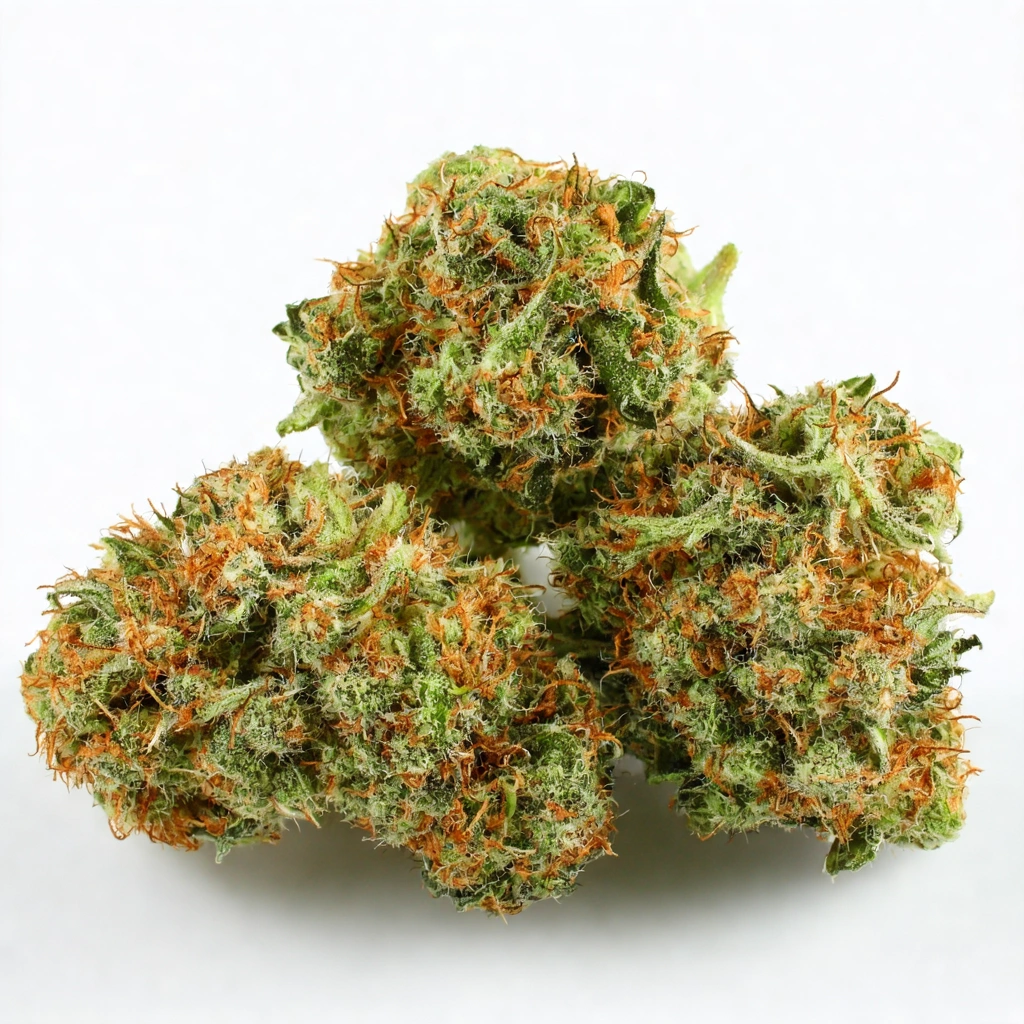
Critical Horrendus
Critical Horrendus
What is the Critical Horrendus strain?
Critical Horrendus is a hybrid cannabis strain with up to 25.0% THC, known for its relaxed effects and earthy and spicy flavor profile.
Critical Horrendus is a hybrid cannabis strain developed by Jah Seeds through the crossing of Flavius Horrendus with Critical Mass. The strain represents a significant breeding achievement, combining the fungal resistance and robust characteristics of the Flavius Horrendus mother plant with the sweetness and yield potential of Critical Mass. Flavius Horrendus, one of the parent strains, traces its origins to the old Dutch school breeding programs and African landrace genetics, and has been extensively tested since around 2002. The breeder selected this particular mother plant for its exceptional resistance to fungi and high productivity, characteristics that have been passed down to Critical Horrendus. This hybrid strain exhibits a balanced indica-sativa profile (approximately 50/50) and is notable for producing large, resinous, and dense buds. The plants typically display purple tones throughout their structure, reminiscent of Purple Haze but with broader leaves that become heavily coated in resin. Critical Horrendus is recognized for its ease of cultivation, making it suitable for both novice and experienced growers, while maintaining the robust genetic foundation established by its parent strains.
What are the effects of Critical Horrendus?
What are the medical benefits of Critical Horrendus?
- Users report relief from stress
- May help with insomnia
- Often used for pain management
- Users report appetite stimulation
This is not medical advice. Consult a healthcare professional.
What are the side effects of Critical Horrendus?
- 💧 Dry Mouth
- 👁️ Dry Eyes
- Dry mouth
- Dry eyes
- Possible drowsiness
How do you grow Critical Horrendus?
Critical Horrendus is considered an easy-to-grow strain suitable for beginners and experienced cultivators alike. The strain has a relatively short flowering period of 58-66 days (8-9 weeks) indoors, with vegetative growth lasting 4-8 weeks. Indoor yields range from 500-750g per square meter, while outdoor cultivation can produce 750g-1.5kg per plant. Plants typically reach heights of 1.5-2 meters outdoors, depending on growing conditions and techniques. The strain performs well in both indoor and outdoor environments and is particularly well-suited for cultivation in northern, central, and southern Iberian climates. Due to its large, dense buds, growers should pay attention to humidity control to prevent mold issues and may need to provide structural support for branches during flowering. The strain flowers outdoors by the end of September and is notably resistant to fungi, a trait inherited from its Flavius Horrendus parent.
How should you use Critical Horrendus?
Critical Horrendus is a hybrid strain with 25.0% THC, which is considered high potency. As a hybrid, it offers versatility for both daytime and evening use.
Beginners
Start with 1-2 small inhalations or 2.5-5mg if using edibles. Wait 15 minutes before taking more. This strain is potent — start very low.
Regular Users
A standard session of 3-5 inhalations or 5-15mg edible dose. Effects typically onset within 5-15 minutes when inhaled, 30-90 minutes for edibles.
Experienced Users
Adjust to personal tolerance. At 25.0% THC, even experienced users should respect this strain's potency.
Start low and go slow. This is not medical advice — consult a healthcare professional before using cannabis.
What is the genetic lineage of Critical Horrendus?
What are Critical Horrendus's parent strains?
Frequently Asked Questions
How does Critical Horrendus make you feel?
Critical Horrendus is a hybrid strain that primarily produces relaxed effects, followed by warming. Users report the dominant effect at 85% intensity. With 25.0% THC, this strain is considered potent and best suited for experienced users.
Is Critical Horrendus good for medical use?
Critical Horrendus has been reported by users for users report relief from stress, may help with insomnia, often used for pain management, users report appetite stimulation. As a hybrid, it offers a balanced profile that may work throughout the day.
This is not medical advice. Consult a healthcare professional.
Are there side effects with Critical Horrendus?
Some users have reported dry mouth, dry eyes, dry mouth, dry eyes, possible drowsiness when using Critical Horrendus. Starting with a low dose and staying hydrated can help minimize these effects.
What does Critical Horrendus taste and smell like?
Critical Horrendus features a flavor profile of earthy, spicy, sweet. The dominant terpenes are Myrcene and Limonene, which contribute to its distinctive aroma.
What do users say about Critical Horrendus?
Log in to write a review.
No reviews yet. Be the first to review Critical Horrendus!
What does the research say about Critical Horrendus?
Critical Horrendus is a hybrid cannabis strain containing up to 25.0% THC, with a terpene profile dominated by Myrcene and Limonene. Below are authoritative resources for understanding the compounds in this strain.
Terpene Research
Cannabinoid Information
Cannabis Regulations & Safety
What strains are similar to Critical Horrendus?
#1 Stunna
HybridTHC: 20.0% - 30.0%
#41 Zi
HybridTHC: Unknown
$.i.N.G
HybridTHC: 18.0% - 24.0%
'78 LA OG Affie
HybridTHC: 22.0% - 23.0%
'78 Skunk 'D' x Gorilla Grape
HybridTHC: Unknown
'78 Skunk 'M' x Gorilla Grape
HybridTHC: Unknown
'87 Firebird
HybridTHC: 18.0% - 23.0%
'98 Aloha White Widow
HybridTHC: 20.0% - 25.0%