Death Valley OG
Death Valley OG
Also known as: Death Valley OG Kush
What is the Death Valley OG strain?
Death Valley OG is a hybrid cannabis strain with up to 34.0% THC, known for its relaxed effects and citrus and diesel flavor profile.
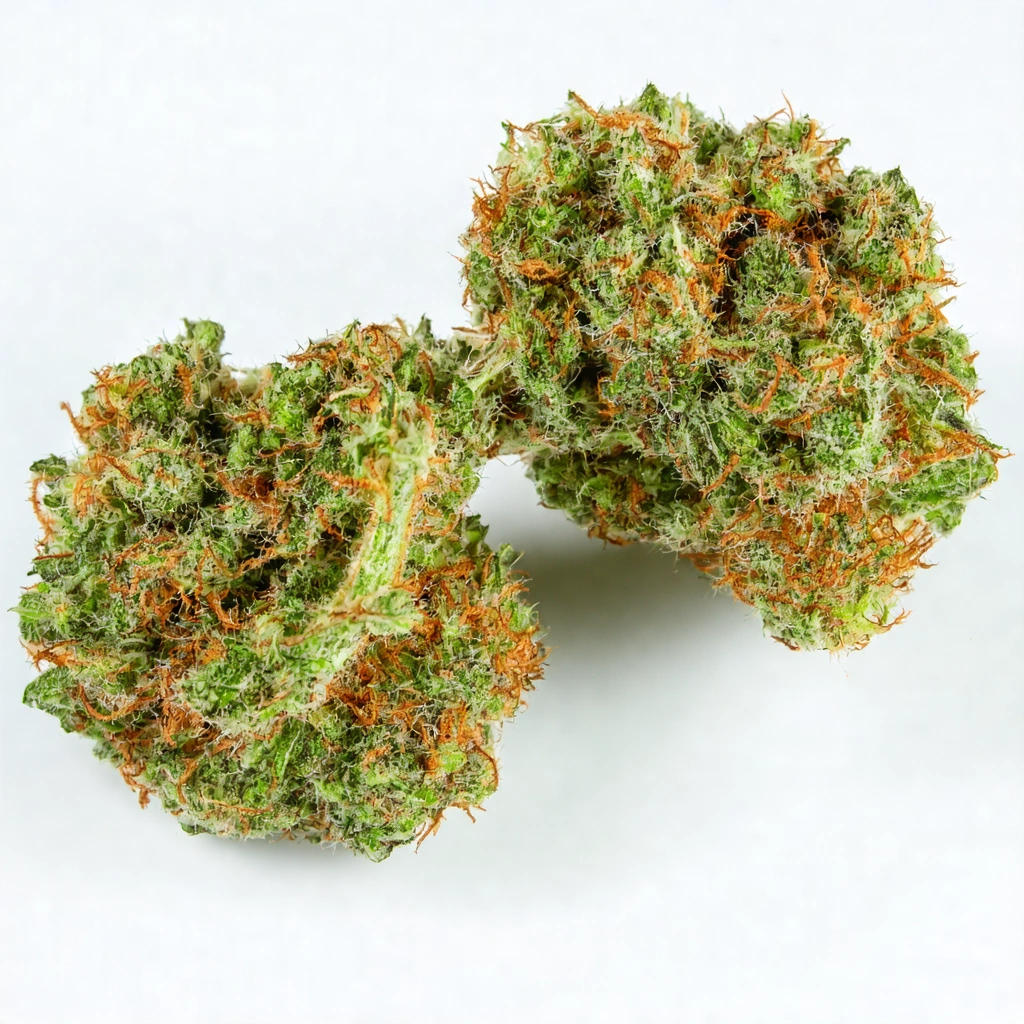
Death Valley OG is a rare sativa-dominant hybrid strain created through crossing Deathstar and SFV OG Kush. Named after the harsh and rugged landscape of Death Valley, this strain embodies resilience and strength while delivering an innovative evolution in the OG lineage. The strain was developed by Clone Only Strains with a primary focus on sativa dominance, making it unique among its OG Kush-inspired contemporaries. Death Valley OG shares up to 70% of its genetic makeup with classic OG Kush varieties while introducing novel alleles from a sativa background through advanced breeding protocols including backcrossing and selective stabilization. The buds are characterized by dense, resilient structure with vibrant forest green hues adorned with fiery orange hairs and a thick coating of crystal trichomes. The plant typically reaches an average height of 100-150 cm with moderately compact structure and sturdy branches, making it suitable for both indoor and outdoor cultivation. With its exceptional potency reaching up to 34% THC, Death Valley OG represents a significant contribution to modern cannabis breeding and the evolution of OG cultivars.
What are the effects of Death Valley OG?
What are the medical benefits of Death Valley OG?
- Users report relief from chronic pain
- May help with insomnia
- Often used for stress management
- Reported to help with anxiety
- May alleviate nausea and appetite loss
- Used for muscle spasms
This is not medical advice. Consult a healthcare professional.
What are the side effects of Death Valley OG?
- 💧 Dry Mouth
- 👁️ Dry Eyes
- Dry mouth
- Dry eyes
- Possible anxiety in high doses
How do you grow Death Valley OG?
Death Valley OG has a flowering period of 8-9 weeks indoors and approximately 75 days for some variants. It can be cultivated both indoors and outdoors, with indoor cultivation being particularly successful for consistent conditions. The strain is moderately challenging to cultivate, requiring intermediate growing skills and attention to environmental factors. Optimal growing conditions include temperatures between 68-79°F (20-26°C) and humidity levels of 40-50% during flowering. LED lighting systems are recommended to optimize energy efficiency and boost cannabinoid levels. The strain produces moderate to high yields when grown under optimal conditions, with dense, resinous buds. Cloning technique is highly recommended to maintain genetic consistency. The plant features sturdy branches and compact structure, making it suitable for various training techniques.
How should you use Death Valley OG?
Death Valley OG is a hybrid strain with 34.0% THC, which is considered high potency. As a hybrid, it offers versatility for both daytime and evening use.
Beginners
Start with 1-2 small inhalations or 2.5-5mg if using edibles. Wait 15 minutes before taking more. This strain is potent — start very low.
Regular Users
A standard session of 3-5 inhalations or 5-15mg edible dose. Effects typically onset within 5-15 minutes when inhaled, 30-90 minutes for edibles.
Experienced Users
Adjust to personal tolerance. At 34.0% THC, even experienced users should respect this strain's potency.
Start low and go slow. This is not medical advice — consult a healthcare professional before using cannabis.
What is the genetic lineage of Death Valley OG?
What are Death Valley OG's parent strains?
What strains were bred from Death Valley OG?
Frequently Asked Questions
How does Death Valley OG make you feel?
Death Valley OG is a hybrid strain that primarily produces relaxed effects, followed by sleepy. Users report the dominant effect at 85% intensity. With 34.0% THC, this strain is considered potent and best suited for experienced users.
Is Death Valley OG good for medical use?
Death Valley OG has been reported by users for users report relief from chronic pain, may help with insomnia, often used for stress management, reported to help with anxiety, may alleviate nausea and appetite loss, used for muscle spasms. As a hybrid, it offers a balanced profile that may work throughout the day.
This is not medical advice. Consult a healthcare professional.
Are there side effects with Death Valley OG?
Some users have reported dry mouth, dry eyes, dry mouth, dry eyes, possible anxiety in high doses when using Death Valley OG. Starting with a low dose and staying hydrated can help minimize these effects.
What does Death Valley OG taste and smell like?
Death Valley OG features a flavor profile of citrus, diesel, earthy, herbal, lemon, pine, skunk, woody. The dominant terpenes are Myrcene and Limonene, which contribute to its distinctive aroma.
What do users say about Death Valley OG?
Log in to write a review.
No reviews yet. Be the first to review Death Valley OG!
What does the research say about Death Valley OG?
Death Valley OG is a hybrid cannabis strain containing up to 34.0% THC, with a terpene profile dominated by Myrcene and Limonene. Below are authoritative resources for understanding the compounds in this strain.
Cannabinoid Information
Cannabis Regulations & Safety
What strains are similar to Death Valley OG?
#1 Stunna
HybridTHC: 20.0% - 30.0%
#41 Zi
HybridTHC: Unknown
$.i.N.G
HybridTHC: 18.0% - 24.0%
'78 LA OG Affie
HybridTHC: 22.0% - 23.0%
'78 Skunk 'D' x Gorilla Grape
HybridTHC: Unknown
'78 Skunk 'M' x Gorilla Grape
HybridTHC: Unknown
'87 Firebird
HybridTHC: 18.0% - 23.0%
'98 Aloha White Widow
HybridTHC: 20.0% - 25.0%