DeepChunk S1
DeepChunk S1
Also known as: Deep Chunk S1, DC S1
What is the DeepChunk S1 strain?
DeepChunk S1 is a indica cannabis strain with up to 24.0% THC, known for its relaxed effects and chocolate and coffee flavor profile.
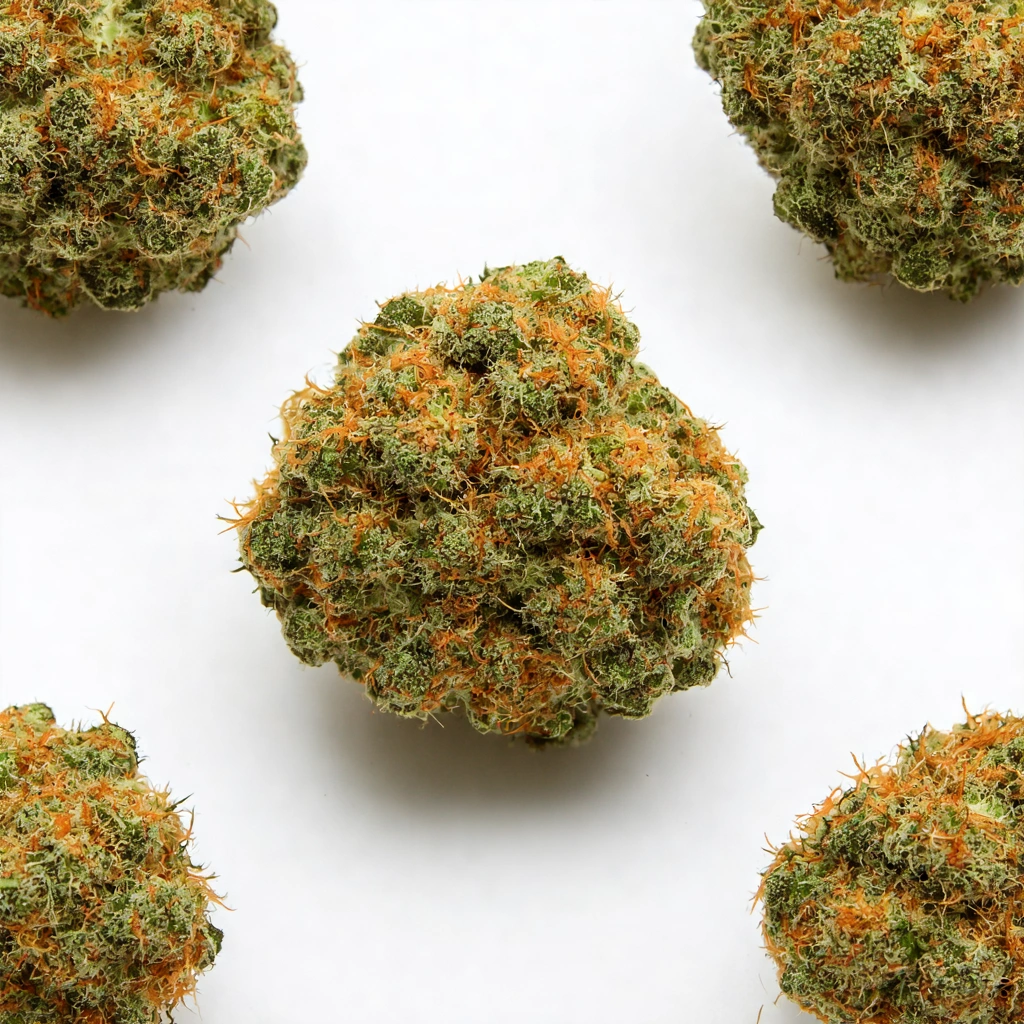
DeepChunk S1 is a feminized strain created by Alpine Seeds through crossing their three best Deep Chunk females to create an inbred generation that can express different phenotypes while maintaining the legendary characteristics of the original Deep Chunk genetics. The strain originates from the original Deep Chunk, a pure Afghani indica landrace introduced to Northern California in the late 1970s by renowned breeder Tom Hill. This feminized S1 generation exhibits incredibly high resin production on certain phenotypes, typical Afghani aroma, and unbeatable potency. The plants produce stone-hard, compact buds with resin production that is exceptional, though mold risk is relatively low as most Afghan genetics have built up natural resistance. The primary weakness of DeepChunk S1 is its very low yield, producing only a few grams but compensating with extremely high quality. The strain exhibits classic indica characteristics with short internodal distances, compact appearance, and thick, fleshy leaves, while the aroma is typically Afghan with sweet and hashy scents.
What are the effects of DeepChunk S1?
What are the medical benefits of DeepChunk S1?
- Users report relief from chronic pain
- May help with insomnia
- Often used for stress management
- Users report benefits for depression
- May help with anxiety
- Often used for muscle spasms
- Users report appetite stimulation
This is not medical advice. Consult a healthcare professional.
What are the side effects of DeepChunk S1?
- 💧 Dry Mouth
- 👁️ Dry Eyes
- Dry mouth
- Dry eyes
- Possible anxiety in high doses
- Potential paranoia with overconsumption
How do you grow DeepChunk S1?
DeepChunk S1 can be cultivated indoors, outdoors, and in greenhouse environments with a flowering time of approximately 55 days. The strain grows very slowly and requires a sufficiently long vegetative phase to reach adequate height before flowering can be initiated. Growers can expect slightly different plant types with minor variations in resin production and growth structure between phenotypes. While Alpine Seeds found no hermaphrodite plants in their feminized testing, the IBL genetics mean hermaphroditism cannot be completely ruled out due to potentially recessive intersex genes. These plants prefer light feeding and watering schedules. Growing difficulty is considered moderate to advanced due to slow growth and low yields.
How should you use DeepChunk S1?
DeepChunk S1 is a indica strain with 24.0% THC, which is moderate potency. As an indica, it is best suited for evening or nighttime use.
Beginners
Start with 1-2 small inhalations or 2.5-5mg if using edibles. Wait 15 minutes before taking more. This strain is potent — start very low.
Regular Users
A standard session of 3-5 inhalations or 5-15mg edible dose. Effects typically onset within 5-15 minutes when inhaled, 30-90 minutes for edibles.
Experienced Users
Adjust to personal tolerance. Moderate doses should provide a satisfying experience.
Start low and go slow. This is not medical advice — consult a healthcare professional before using cannabis.
What is the genetic lineage of DeepChunk S1?
What are DeepChunk S1's parent strains?
Frequently Asked Questions
How does DeepChunk S1 make you feel?
DeepChunk S1 is a indica strain that primarily produces relaxed effects, followed by sleepy. Users report the dominant effect at 95% intensity. With 24.0% THC, this strain is moderately strong and suitable for regular consumers.
Is DeepChunk S1 good for medical use?
DeepChunk S1 has been reported by users for users report relief from chronic pain, may help with insomnia, often used for stress management, users report benefits for depression, may help with anxiety, often used for muscle spasms, users report appetite stimulation. As an indica strain, it may be particularly suited for evening or nighttime use.
This is not medical advice. Consult a healthcare professional.
Are there side effects with DeepChunk S1?
Some users have reported dry mouth, dry eyes, dry mouth, dry eyes, possible anxiety in high doses, potential paranoia with overconsumption when using DeepChunk S1. Starting with a low dose and staying hydrated can help minimize these effects.
What does DeepChunk S1 taste and smell like?
DeepChunk S1 features a flavor profile of chocolate, coffee, earthy, hash, pine, savory, sweet. The dominant terpenes are Caryophyllene and Limonene, which contribute to its distinctive aroma.
What do users say about DeepChunk S1?
Log in to write a review.
No reviews yet. Be the first to review DeepChunk S1!
What does the research say about DeepChunk S1?
DeepChunk S1 is a indica cannabis strain containing up to 24.0% THC, with a terpene profile dominated by Caryophyllene and Limonene. Below are authoritative resources for understanding the compounds in this strain.
Cannabinoid Information
Cannabis Regulations & Safety
What strains are similar to DeepChunk S1?
(G13 Hashplant x Chitral) F3 x Taskenti F2
IndicaTHC: Unknown
00 Kush
IndicaTHC: 15.0% - 22.0%
00 Kush Fast
IndicaTHC: 20.0% - 24.0%
12 Star
IndicaTHC: 20.0% - 25.0%
12lb Hammer
IndicaTHC: 20.0% - 28.0%
1979 Xmas Bud
IndicaTHC: Unknown
1984
IndicaTHC: 18.0% - 22.0%
2 Fast 2 Vast
IndicaTHC: 18.0% - 20.0%