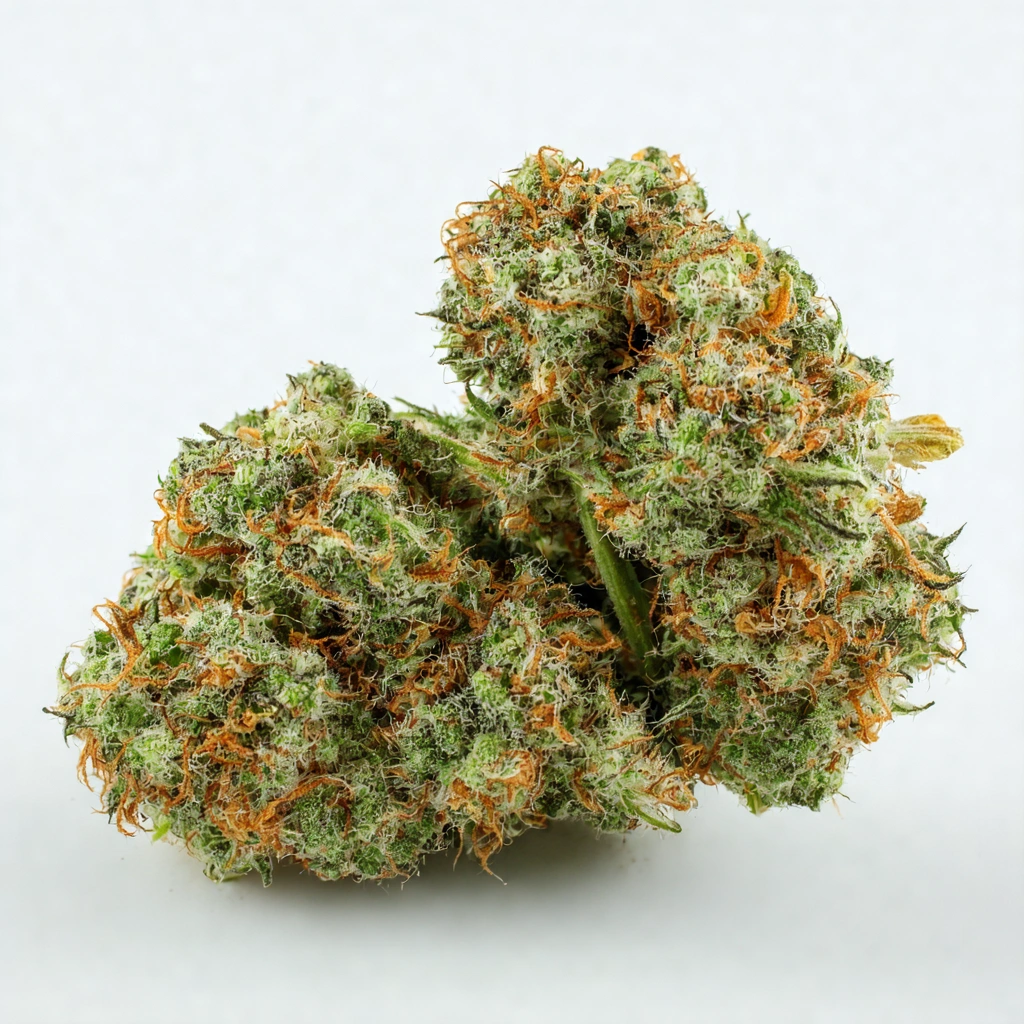
Ghost Train Haze
Ghost Train Haze
Also known as: GTH
What is the Ghost Train Haze strain?
Ghost Train Haze is a hybrid cannabis strain with up to 30.0% THC, known for its energetic effects and citrus and earthy flavor profile.
Ghost Train Haze is a sativa-dominant hybrid cannabis strain bred by Rare Dankness Seeds from the union of Ghost OG and Neville's Wreck. This strain typically exhibits an 80:20 sativa/indica ratio and has earned legendary status after High Times magazine named it the "Most Potent Strain on Earth" in 2012, followed by winning 1st Sativa at the High Times Cannabis Cup in 2014. Unlike typical sativas, Ghost Train Haze grows dense buds blanketed in white, crystal-capped trichomes, creating an abundance of trichomes and hairs that makes GTH look as dank as it claims to be.
This strain is renowned for its extreme potency, with effects that come on quickly and with significant force, making it a favorite among high-tolerance consumers seeking powerful experiences. What makes Ghost Train Haze remarkable is the way it balances raw strength with functional clarity, often described as producing a clear-headed, stimulating high that sparks creativity and focus. Ghost Train Haze features a rare terpinolene-dominant terpene profile, an honor it shares with the iconic strain Jack Herer, contributing to its unique effects and aromatic characteristics that distinguish it from other high-THC varieties.
What are the effects of Ghost Train Haze?
What are the medical benefits of Ghost Train Haze?
- Users report relief from depression
- May help with chronic pain management
- Often used for stress relief
- Users report appetite stimulation
- May help with fatigue
- Often used for mood disorders
This is not medical advice. Consult a healthcare professional.
What are the side effects of Ghost Train Haze?
- 💧 Dry Mouth
- 👁️ Dry Eyes
- 😨 Paranoia
- 😰 Anxiety
- 💫 Dizziness
- Dry mouth
- Dry eyes
- Possible anxiety in sensitive users
- Potential paranoia with high doses
- Dizziness in some users
- May be overwhelming for novice users
How do you grow Ghost Train Haze?
Growing difficulty is rated as moderate to difficult, with sativa-dominant genetics producing tall, lanky plants that require training techniques such as topping, low-stress training, or scrogging to manage height. Flowering time ranges from 8-12 weeks, with most sources citing 9-11 weeks as typical. Indoor yields average 10-14 ounces per square meter, while outdoor yields can reach 14 ounces per plant. The strain thrives in warm climates with temperatures between 68-80°F (21-27°C) and prefers humidity levels of 40-60% during vegetative stage, lowered to 30-40% during flowering. Heavier feeding helps this plant reach its full potential, requiring potassium nutrients through flowering. While showing moderate resistance to pests and mould, growers should ensure adequate airflow and monitor for common issues.
How should you use Ghost Train Haze?
Ghost Train Haze is a hybrid strain with 30.0% THC, which is considered high potency. As a hybrid, it offers versatility for both daytime and evening use.
Beginners
Start with 1-2 small inhalations or 2.5-5mg if using edibles. Wait 15 minutes before taking more. This strain is potent — start very low.
Regular Users
A standard session of 3-5 inhalations or 5-15mg edible dose. Effects typically onset within 5-15 minutes when inhaled, 30-90 minutes for edibles.
Experienced Users
Adjust to personal tolerance. At 30.0% THC, even experienced users should respect this strain's potency.
Start low and go slow. This is not medical advice — consult a healthcare professional before using cannabis.
What is the genetic lineage of Ghost Train Haze?
What strains were bred from Ghost Train Haze? (27)
- Babadook
- Bubba Haze
- Chedda Whizzy
- Chimborazo Ghost
- Citradelic Sunset
- Dark Ghost Train
- Diesel Train
- Ghost Train Bomb
- Ghost Train Haze Auto
- Ghost Train Haze Automatic
- Ghost Train Haze X Bruce Banner #3 X Girl Scout Cookie
- Ghost Train Haze X Girl Scout Cookie X California Orange Bud
- Ghost Train Power
- Ghost Train Tangie
- Gorilla Tape
- Guava Ghost Train
- Hangover Haze
- Hickok Haze
- Hogwarts Express
- Holy Horror
- Kansas City Diesel
- Lemon Walker x Ghost Train Haze
- OG x Ghost Train Haze
- Ponyride
- Querkle Haze
- Urkle Train Haze
- White Ghost
Frequently Asked Questions
How does Ghost Train Haze make you feel?
Ghost Train Haze is a hybrid strain that primarily produces energetic effects, followed by uplifted. Users report the dominant effect at 90% intensity. With 30.0% THC, this strain is considered potent and best suited for experienced users.
Is Ghost Train Haze good for medical use?
Ghost Train Haze has been reported by users for users report relief from depression, may help with chronic pain management, often used for stress relief, users report appetite stimulation, may help with fatigue, often used for mood disorders. As a hybrid, it offers a balanced profile that may work throughout the day.
This is not medical advice. Consult a healthcare professional.
Are there side effects with Ghost Train Haze?
Some users have reported dry mouth, dry eyes, paranoia, anxiety, dizziness, dry mouth, dry eyes, possible anxiety in sensitive users, potential paranoia with high doses, dizziness in some users, may be overwhelming for novice users when using Ghost Train Haze. Starting with a low dose and staying hydrated can help minimize these effects.
What does Ghost Train Haze taste and smell like?
Ghost Train Haze features a flavor profile of citrus, earthy, herbal, pine, sour, spicy. The dominant terpenes are Terpinolene and Myrcene, which contribute to its distinctive aroma.
What do users say about Ghost Train Haze?
Log in to write a review.
No reviews yet. Be the first to review Ghost Train Haze!
What does the research say about Ghost Train Haze?
Ghost Train Haze is a hybrid cannabis strain containing up to 30.0% THC, with a terpene profile dominated by Terpinolene and Myrcene. Below are authoritative resources for understanding the compounds in this strain.
Cannabinoid Information
Cannabis Regulations & Safety
What strains are similar to Ghost Train Haze?
#1 Stunna
HybridTHC: 20.0% - 30.0%
#41 Zi
HybridTHC: Unknown
$.i.N.G
HybridTHC: 18.0% - 24.0%
'78 LA OG Affie
HybridTHC: 22.0% - 23.0%
'78 Skunk 'D' x Gorilla Grape
HybridTHC: Unknown
'78 Skunk 'M' x Gorilla Grape
HybridTHC: Unknown
'87 Firebird
HybridTHC: 18.0% - 23.0%
'98 Aloha White Widow
HybridTHC: 20.0% - 25.0%