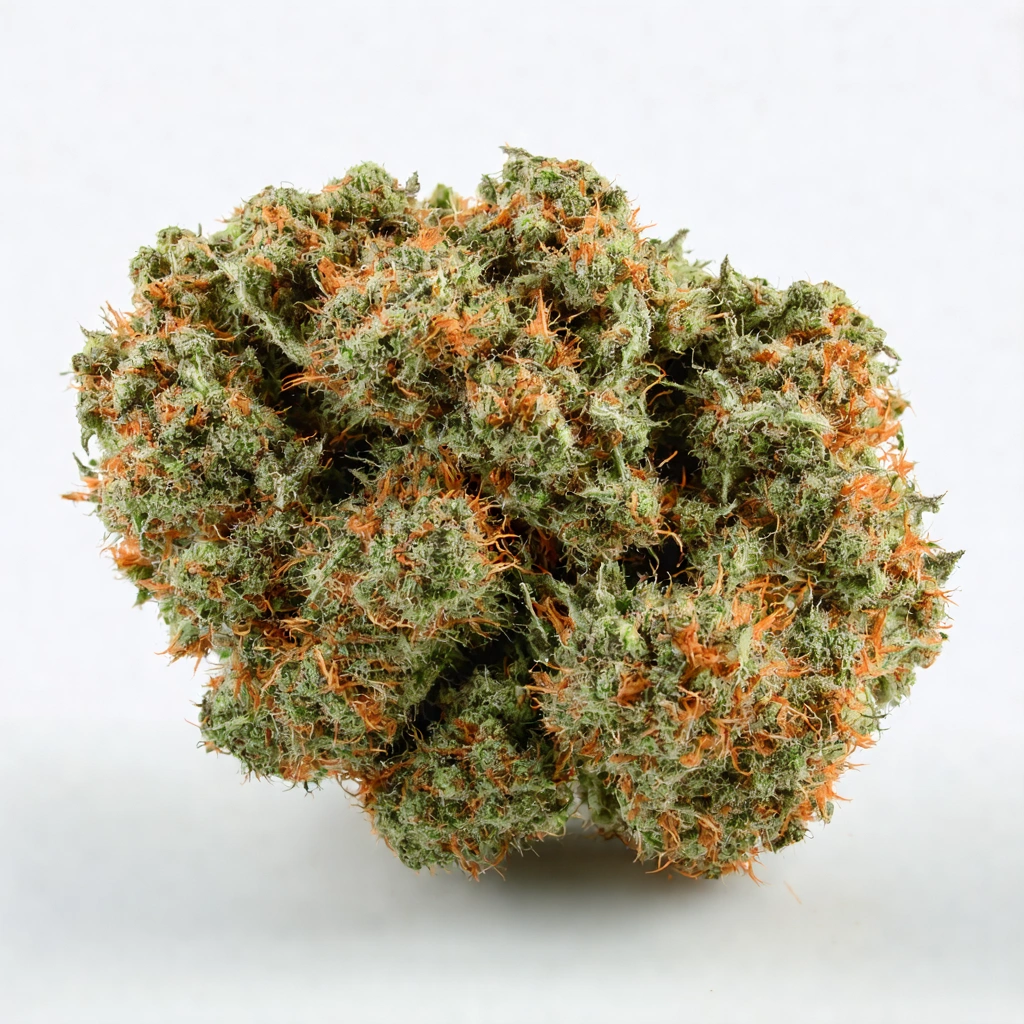
Grape Gas
Grape Gas
Also known as: Grape Gasoline, Grape Gas F3
What is the Grape Gas strain?
Grape Gas is a hybrid cannabis strain with up to 30.0% THC, known for its relaxed effects and berry and citrus flavor profile.
Grape Gas (also known as Grape Gasoline) is a hybrid cannabis strain with heavily debated genetics, though Compound Genetics has confirmed that this gassy hybrid descends from a cross of Jet Fuel (AKA G6) and Gelato, resulting in a vigorous hybrid that produces dense, spade-shaped flowers with eye-catching purple and black hues. However, multiple genetic variations exist - sources indicate the original comes from a collaboration between Cannarado Genetics and Compound Genetics, using two grade A cultivars from their own stock: Grape Pie and Jet Fuel Gelato, while another version by True Canna Genetics results from crossing OG Chem, Granddaddy Purple, and The Truth.
The strain's aroma is fresh, fruity, and gassy, with a high concentration of THC (up to 25%) producing a creeping, euphoric high that many smokers enjoy in the morning or during the day. Grape Gas is an indica-dominant strain that produces stocky, bushy plants that veg vigorously and stretch notably before producing dense, dark flowers. As they approach harvest, plants take on dark purple, almost black hues, with buds developing tight stacks of round, thick calyxes with bright orange pistils and a frosty coat of resin. The aroma transfers to your fingers like grape-dieselly candy, with smoke that is thick and flavorful - very grape/berry forward with a hint of earthiness, followed by diesel/gassy notes reminiscent of Sour Diesel's gassiness.
What are the effects of Grape Gas?
What are the medical benefits of Grape Gas?
- Users report relief from chronic pain and inflammation
- May help with stress and anxiety management
- Often used for insomnia and sleep disorders
- Users report appetite stimulation
- May provide relief from nausea and digestive issues
- Users report mood enhancement for depression
This is not medical advice. Consult a healthcare professional.
What are the side effects of Grape Gas?
- 💧 Dry Mouth
- 👁️ Dry Eyes
- 😰 Anxiety
- Dry mouth
- Dry eyes
- Possible anxiety in high doses or sensitive users
- Potential dizziness with overconsumption
How do you grow Grape Gas?
Grape Gasoline is an indica-looking strain that stays nice and compact and grows particularly well indoors. She responds well to training and can handle heavy feeding up until the 3rd week of bloom. The strain stretches up to 3 times its height and can be harvest-ready after 7-9 weeks of bloom time. It has a relatively short flowering time of 8 to 9 weeks, producing medium yields with 1.15 – 1.47 oz/ft² (350 – 450 gr/m²) indoors and 15 – 19 oz/plant (450 – 550 gr/plant) outdoors, making it an excellent option for both commercial growers and home cultivators. Grape Gas can be grown both indoors and outdoors, but prefers warmer climates. Maintain temperatures around 75°F (24°C) with 50-60% humidity in veg and 40-50% in flower for optimal growth. The strain shows good resistance to mold and pests, making it excellent for humid or unpredictable climates.
How should you use Grape Gas?
Grape Gas is a hybrid strain with 30.0% THC, which is considered high potency. As a hybrid, it offers versatility for both daytime and evening use.
Beginners
Start with 1-2 small inhalations or 2.5-5mg if using edibles. Wait 15 minutes before taking more. This strain is potent — start very low.
Regular Users
A standard session of 3-5 inhalations or 5-15mg edible dose. Effects typically onset within 5-15 minutes when inhaled, 30-90 minutes for edibles.
Experienced Users
Adjust to personal tolerance. At 30.0% THC, even experienced users should respect this strain's potency.
Start low and go slow. This is not medical advice — consult a healthcare professional before using cannabis.
What is the genetic lineage of Grape Gas?
What are Grape Gas's parent strains?
What strains were bred from Grape Gas? (8)
Frequently Asked Questions
How does Grape Gas make you feel?
Grape Gas is a hybrid strain that primarily produces relaxed effects, followed by euphoric. Users report the dominant effect at 85% intensity. With 30.0% THC, this strain is considered potent and best suited for experienced users.
Is Grape Gas good for medical use?
Grape Gas has been reported by users for users report relief from chronic pain and inflammation, may help with stress and anxiety management, often used for insomnia and sleep disorders, users report appetite stimulation, may provide relief from nausea and digestive issues, users report mood enhancement for depression. As a hybrid, it offers a balanced profile that may work throughout the day.
This is not medical advice. Consult a healthcare professional.
Are there side effects with Grape Gas?
Some users have reported dry mouth, dry eyes, anxiety, dry mouth, dry eyes, possible anxiety in high doses or sensitive users, potential dizziness with overconsumption when using Grape Gas. Starting with a low dose and staying hydrated can help minimize these effects.
What does Grape Gas taste and smell like?
Grape Gas features a flavor profile of berry, citrus, diesel, earthy, grape, spicy, sweet. The dominant terpenes are Caryophyllene and Myrcene, which contribute to its distinctive aroma.
What do users say about Grape Gas?
Log in to write a review.
No reviews yet. Be the first to review Grape Gas!
What does the research say about Grape Gas?
Grape Gas is a hybrid cannabis strain containing up to 30.0% THC, with a terpene profile dominated by Caryophyllene and Myrcene. Below are authoritative resources for understanding the compounds in this strain.
Cannabinoid Information
Cannabis Regulations & Safety
What strains are similar to Grape Gas?
#1 Stunna
HybridTHC: 20.0% - 30.0%
#41 Zi
HybridTHC: Unknown
$.i.N.G
HybridTHC: 18.0% - 24.0%
'78 LA OG Affie
HybridTHC: 22.0% - 23.0%
'78 Skunk 'D' x Gorilla Grape
HybridTHC: Unknown
'78 Skunk 'M' x Gorilla Grape
HybridTHC: Unknown
'87 Firebird
HybridTHC: 18.0% - 23.0%
'98 Aloha White Widow
HybridTHC: 20.0% - 25.0%