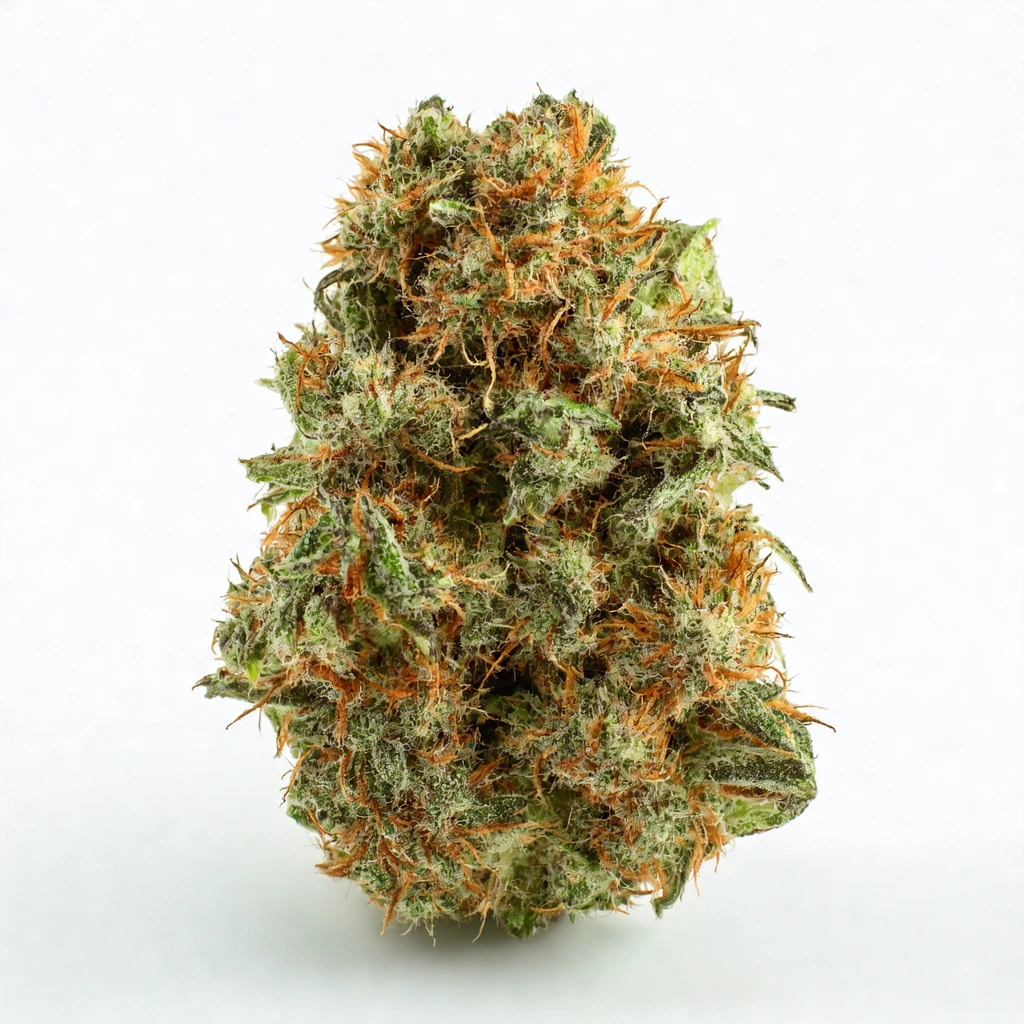
Grape Topanga
Grape Topanga
Also known as: Grape Topanga OG
What is the Grape Topanga strain?
Grape Topanga is a hybrid cannabis strain with up to 30.0% THC, known for its euphoric effects and berry and citrus flavor profile.
Grape Topanga is an evenly balanced hybrid strain (50% indica/50% sativa) developed by the renowned Jungle Boys, created through crossing the delicious Grape Pie and Topanga Canyon OG strains. The strain emerged during the late-2010s wave of dessert-and-gas cultivars, where breeders targeted candy flavors layered onto classic OG structure and potency. Jungle Boys, celebrated for their expertise and dedication to cannabis breeding, focused on preserving genetic traits that amplify flavor, aroma, and overall user experience. The strain quickly rose to popularity after its debut, with early cultivation reports highlighting its balanced effects and aromatic profile.
Grape Topanga presents visually striking dense, grape-shaped buds that are generously coated with resin and frosty tiny golden amber crystal trichomes. The vibrant hues can range from deep purples to bright minty greens with vivid orange hairs, creating an artistic mosaic on the plant. The coloration is enhanced by the presence of anthocyanins, particularly when grown under cooler temperatures. The strain combines grape-candy aromatics with OG-style gas and structure, offering high THC potential and a complex terpene bouquet spanning sweet berry, citrus, and fuel notes.
What are the effects of Grape Topanga?
What are the medical benefits of Grape Topanga?
- Users report relief from chronic pain
- May help with depression
- Often used for chronic stress management
- Users report assistance with mood swings
- May help with insomnia
- Users report relief from anxiety
This is not medical advice. Consult a healthcare professional.
What are the side effects of Grape Topanga?
- 💧 Dry Mouth
- 👁️ Dry Eyes
- 😰 Anxiety
- Dry mouth
- Dry eyes
- Possible anxiety in sensitive users
- Potential dizziness in high doses
How do you grow Grape Topanga?
Grape Topanga can be cultivated both indoors and outdoors, reaching heights up to 60 inches (5 feet). The flowering time ranges from 54-61 days (approximately 8-9 weeks), with optimal harvest typically occurring around day 58. The strain demonstrates resilient nature and consistent phenotype expression across different growing conditions. It responds well to hydroponic cultivation techniques, with yields potentially increasing by up to 30% compared to traditional soil methods. Growers report that the strain benefits from cooler temperatures during late flowering to enhance anthocyanin expression and coloration. Training techniques such as topping and low-stress training (LST) are recommended to manage plant structure and promote even light distribution. The strain requires proper nutrient management and pH levels maintained between 6.0-6.8 for optimal results.
How should you use Grape Topanga?
Grape Topanga is a hybrid strain with 30.0% THC, which is considered high potency. As a hybrid, it offers versatility for both daytime and evening use.
Beginners
Start with 1-2 small inhalations or 2.5-5mg if using edibles. Wait 15 minutes before taking more. This strain is potent — start very low.
Regular Users
A standard session of 3-5 inhalations or 5-15mg edible dose. Effects typically onset within 5-15 minutes when inhaled, 30-90 minutes for edibles.
Experienced Users
Adjust to personal tolerance. At 30.0% THC, even experienced users should respect this strain's potency.
Start low and go slow. This is not medical advice — consult a healthcare professional before using cannabis.
What is the genetic lineage of Grape Topanga?
What are Grape Topanga's parent strains?
What strains were bred from Grape Topanga?
Frequently Asked Questions
How does Grape Topanga make you feel?
Grape Topanga is a hybrid strain that primarily produces euphoric effects, followed by relaxed. Users report the dominant effect at 85% intensity. With 30.0% THC, this strain is considered potent and best suited for experienced users.
Is Grape Topanga good for medical use?
Grape Topanga has been reported by users for users report relief from chronic pain, may help with depression, often used for chronic stress management, users report assistance with mood swings, may help with insomnia, users report relief from anxiety. As a hybrid, it offers a balanced profile that may work throughout the day.
This is not medical advice. Consult a healthcare professional.
Are there side effects with Grape Topanga?
Some users have reported dry mouth, dry eyes, anxiety, dry mouth, dry eyes, possible anxiety in sensitive users, potential dizziness in high doses when using Grape Topanga. Starting with a low dose and staying hydrated can help minimize these effects.
What does Grape Topanga taste and smell like?
Grape Topanga features a flavor profile of berry, citrus, earthy, grape, spicy, sweet, tropical. The dominant terpenes are Caryophyllene and Limonene, which contribute to its distinctive aroma.
What do users say about Grape Topanga?
Log in to write a review.
No reviews yet. Be the first to review Grape Topanga!
What does the research say about Grape Topanga?
Grape Topanga is a hybrid cannabis strain containing up to 30.0% THC, with a terpene profile dominated by Caryophyllene and Limonene. Below are authoritative resources for understanding the compounds in this strain.
Cannabinoid Information
Cannabis Regulations & Safety
What strains are similar to Grape Topanga?
#1 Stunna
HybridTHC: 20.0% - 30.0%
#41 Zi
HybridTHC: Unknown
$.i.N.G
HybridTHC: 18.0% - 24.0%
'78 LA OG Affie
HybridTHC: 22.0% - 23.0%
'78 Skunk 'D' x Gorilla Grape
HybridTHC: Unknown
'78 Skunk 'M' x Gorilla Grape
HybridTHC: Unknown
'87 Firebird
HybridTHC: 18.0% - 23.0%
'98 Aloha White Widow
HybridTHC: 20.0% - 25.0%