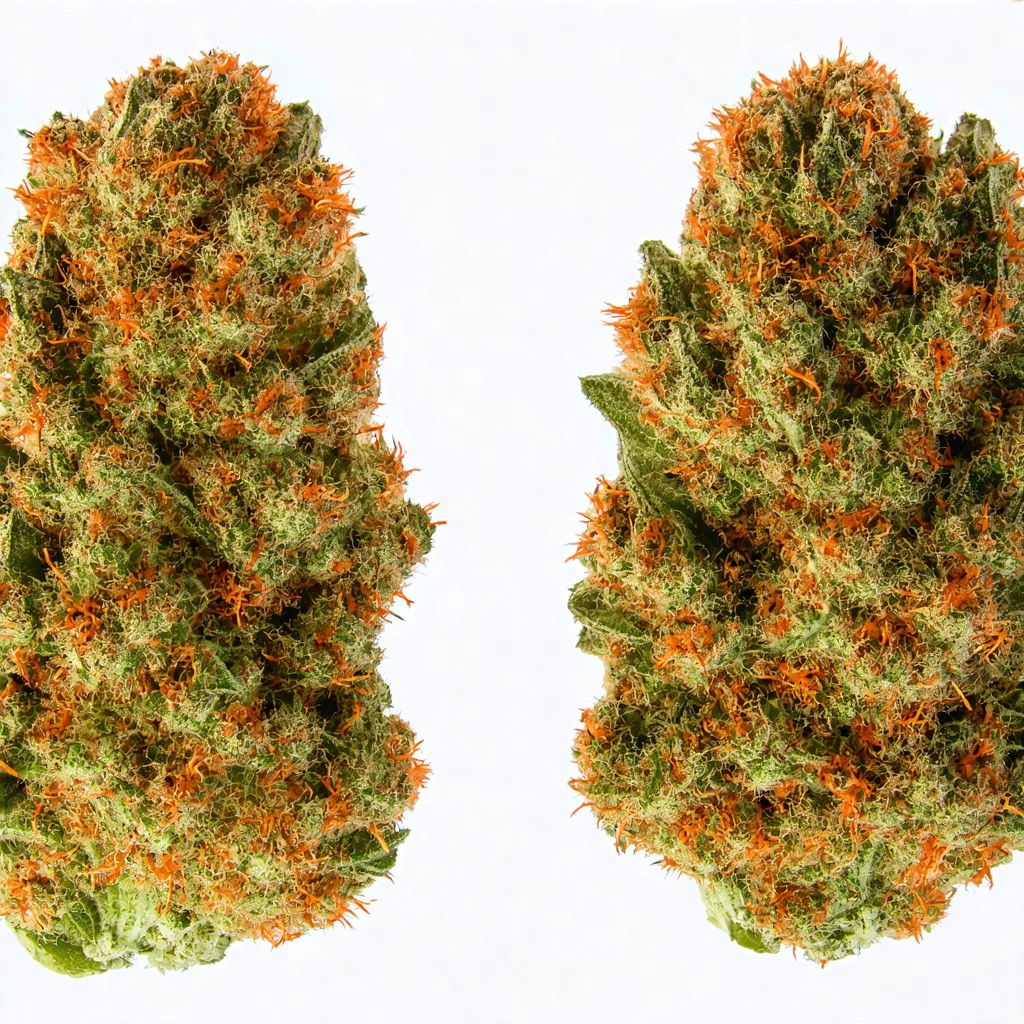
Green Haze
Green Haze
Also known as: ACE Seeds Green Haze, Oldtimers Haze Green Phenotype
What is the Green Haze strain?
Green Haze is a sativa cannabis strain with up to 28.0% THC, known for its euphoric effects and citrus and diesel flavor profile.
Green Haze is a pure sativa strain developed by ACE Seeds as a version of their Oldtimers Haze, selected specifically for its green phenotypes. This strain traces its lineage to Thai and South Indian sativa genetics, representing the original genotype of the Haze population that originated in California during the 1960s and 70s. The strain was created as an homage to the classic Haze genetics but with distinctive green coloration that sets it apart from the purple variants.
The plant grows extremely tall with thin, pale green leaves and flexible stems capable of withstanding harsh outdoor conditions including strong winds and rain. The buds display an array of dark and light greens with good trichome coverage, though they are not particularly sticky and break apart easily. With THC levels ranging from 17% to an impressive 28%, Green Haze is considered one of the most potent pure sativa strains available. The strain requires exceptional patience from cultivators, with flowering times extending 16-20 weeks, making it suitable primarily for dedicated growers who appreciate the lengthy cultivation process and the exceptional quality of the final product.
What are the effects of Green Haze?
What are the medical benefits of Green Haze?
- Users report relief from depression
- May help with chronic pain
- Often used for muscle spasm relief
- Users report anxiety relief
- May help with stress management
- Often used for appetite stimulation
- Users report help with fatigue
This is not medical advice. Consult a healthcare professional.
What are the side effects of Green Haze?
- 💧 Dry Mouth
- 👁️ Dry Eyes
- 😰 Anxiety
- 😨 Paranoia
- 🤕 Headache
- Dry mouth
- Dry eyes
- Possible anxiety in high doses
- Potential paranoia with overconsumption
- Possible headache
- May cause intense appetite
How do you grow Green Haze?
Green Haze is considered moderately difficult to grow and requires exceptional patience and dedication. The flowering time is extremely long at 16-20 weeks, making it suitable primarily for experienced growers who love the cultivation process. Plants grow very tall with thin, flexible stems that can withstand harsh weather conditions including strong winds and rain. The strain shows very high resistance to botrytis but medium-low resistance to spider mites and mildew, and medium resistance to cold. Outdoor harvest typically occurs in December or January. Indoor cultivation is recommended mainly for extreme sativa lovers or breeding projects due to the extended flowering period. Yields are typically medium to low, but the exceptional quality compensates for the smaller harvest.
How should you use Green Haze?
Green Haze is a sativa strain with 28.0% THC, which is considered high potency. As a sativa, it works well for daytime activities and creative sessions.
Beginners
Start with 1-2 small inhalations or 2.5-5mg if using edibles. Wait 15 minutes before taking more. This strain is potent — start very low.
Regular Users
A standard session of 3-5 inhalations or 5-15mg edible dose. Effects typically onset within 5-15 minutes when inhaled, 30-90 minutes for edibles.
Experienced Users
Adjust to personal tolerance. At 28.0% THC, even experienced users should respect this strain's potency.
Start low and go slow. This is not medical advice — consult a healthcare professional before using cannabis.
What is the genetic lineage of Green Haze?
What strains were bred from Green Haze?
Frequently Asked Questions
How does Green Haze make you feel?
Green Haze is a sativa strain that primarily produces euphoric effects, followed by uplifted. Users report the dominant effect at 90% intensity. With 28.0% THC, this strain is considered potent and best suited for experienced users.
Is Green Haze good for medical use?
Green Haze has been reported by users for users report relief from depression, may help with chronic pain, often used for muscle spasm relief, users report anxiety relief, may help with stress management, often used for appetite stimulation, users report help with fatigue. As a sativa strain, it may be suitable for daytime use while managing symptoms.
This is not medical advice. Consult a healthcare professional.
Are there side effects with Green Haze?
Some users have reported dry mouth, dry eyes, anxiety, paranoia, headache, dry mouth, dry eyes, possible anxiety in high doses, potential paranoia with overconsumption, possible headache, may cause intense appetite when using Green Haze. Starting with a low dose and staying hydrated can help minimize these effects.
What does Green Haze taste and smell like?
Green Haze features a flavor profile of citrus, diesel, earthy, floral, fruity, mango, pine, sandalwood, woody. The dominant terpenes are Myrcene and Limonene, which contribute to its distinctive aroma.
What do users say about Green Haze?
Log in to write a review.
No reviews yet. Be the first to review Green Haze!
What does the research say about Green Haze?
Green Haze is a sativa cannabis strain containing up to 28.0% THC, with a terpene profile dominated by Myrcene and Limonene. Below are authoritative resources for understanding the compounds in this strain.