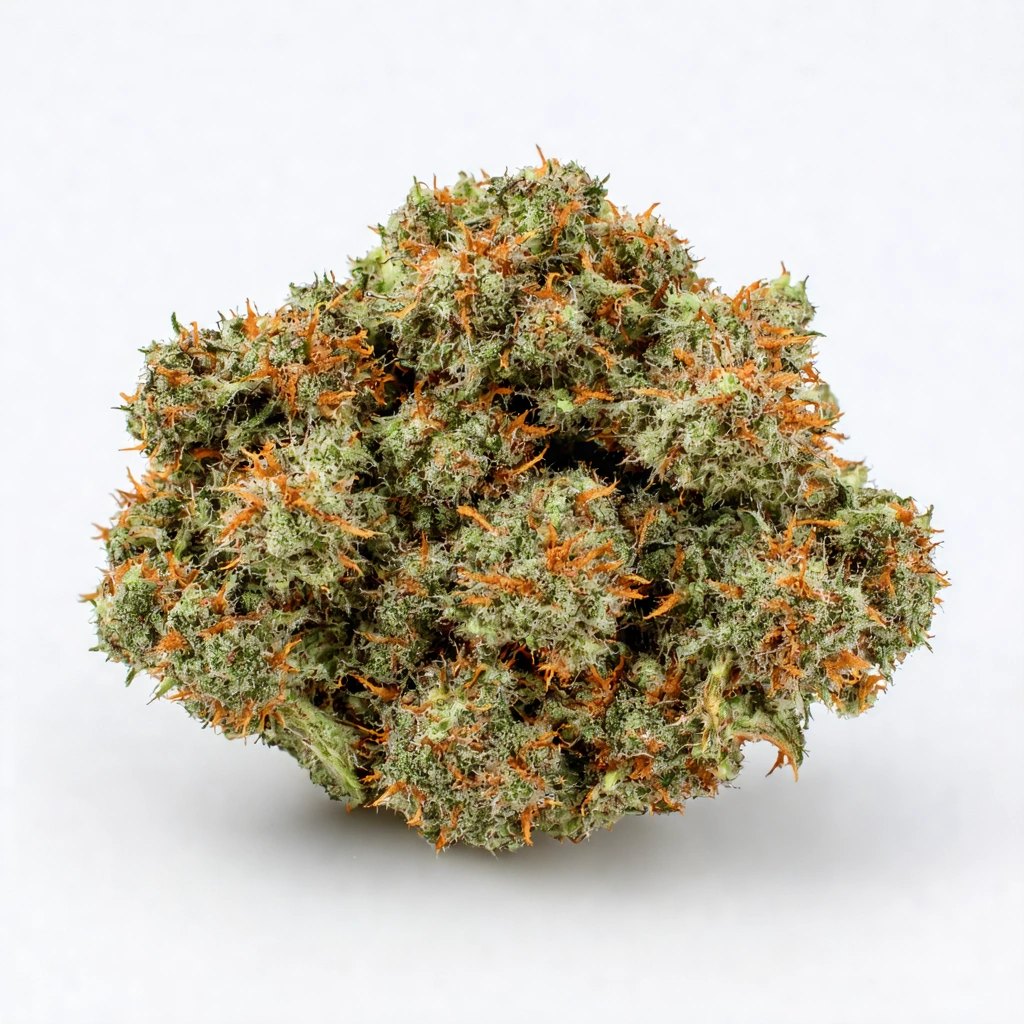
Hash Plant
Hash Plant
Also known as: Hashplant
What is the Hash Plant strain?
Hash Plant is a indica cannabis strain with up to 19.0% THC, known for its relaxed effects and earthy and hash flavor profile.
Hash Plant is a legendary indica-dominant strain originating from Afghani landrace strains, specifically descended from one of the finest hash-making cultivars ever brought from the Hindu Kush to the west. The strain was developed by Sensi Seeds through careful genetic selection, involving the crossing of the original Hash Plant female from the U.S. Pacific Northwest with Northern Lights #1, resulting in a 75% Hash Plant and 25% Northern Lights hybrid. This 90% indica strain was initially cultivated in the Pacific Northwest before being perfected by Sensi Seeds in Holland during the 1980s. Hash Plant is renowned for its compact growth pattern, extremely short flowering period, and dense, resin-drenched flower clusters that develop a brittle surface when dried. The strain is prized for its powerful sedative effects, high resin production, and distinctive Afghani aroma, making it an excellent choice for hash production and extract manufacturing.
What are the effects of Hash Plant?
What are the medical benefits of Hash Plant?
- Users report relief from insomnia
- May help with chronic pain management
- Often used for stress relief
- Users report relief from migraines
- May help with arthritis symptoms
- Often used for anxiety relief
This is not medical advice. Consult a healthcare professional.
What are the side effects of Hash Plant?
- 💧 Dry Mouth
- 👁️ Dry Eyes
- 💫 Dizziness
- Dry mouth
- Dry eyes
- Possible dizziness
- Potential paranoia in high doses
How do you grow Hash Plant?
Hash Plant has an extremely short flowering time of 40-45 days indoors, making it one of the fastest-flowering strains available. The strain grows with a typical indica structure, staying extremely compact and taking up minimal space in growing rooms, making it ideal for Sea of Green (SOG) cultivation techniques. It can be grown both indoors and outdoors, thriving in warm, sunny climates with long summers. This high-yielding strain can produce over 500g from just 10 plants per square meter indoors, making it excellent for commercial cultivation. Hash Plant is considered easy to grow, robust and resilient, suitable for novice growers, though it requires good ventilation to prevent mold and has a healthy appetite during flowering. Outdoors, it's typically harvested at the end of September in the northern hemisphere.
How should you use Hash Plant?
Hash Plant is a indica strain with 19.0% THC, which is moderate potency. As an indica, it is best suited for evening or nighttime use.
Beginners
Start with 1-2 small inhalations or 2.5-5mg if using edibles. Wait 15 minutes before taking more.
Regular Users
A standard session of 3-5 inhalations or 5-15mg edible dose. Effects typically onset within 5-15 minutes when inhaled, 30-90 minutes for edibles.
Experienced Users
Adjust to personal tolerance. Moderate doses should provide a satisfying experience.
Start low and go slow. This is not medical advice — consult a healthcare professional before using cannabis.
What is the genetic lineage of Hash Plant?
What strains were bred from Hash Plant? (73)
- 13 Flowers
- Afghan Storm Auto
- Airborne G13
- Atomic Shiva
- Black
- Black Domina
- Black Domino
- Black Gold
- Blue Ace Hash
- Blue Monster Holk
- Blueberry Gum
- Blueberry Hashplant
- CBD Hash Plant
- Candy Hash
- Champagne Kush
- Congo Nigerian x OG
- Congo X Nigerian X Hashplant
- County Line Hash Plant
- Dank Sinatra
- Desert Lotus
- Dragonsblood HashPlant V2
- ECHP
- Face Down B!tch
- Flávius Horrendus
- Frizzy Kush
- G-13 x Hash Plant F-1 Hybrid
- HP-13
- HP13
- Hash Balls #2
- Hash Belt
- Hash Clouds
- Hash Fruit
- Hash Lover
- Hash Plant / Northern Lights #1 F-1 Hybrid
- Hash Plant / Northern Lights 1 x Swazi
- Hash Star
- HashBurger
- HashGooBerrry
- HashGooBerry F2
- HashStar
- Hashchis
- Hashplant OG
- Herer Hashplant
- Ingrid
- Jack Hammer
- Jack's Hash
- Jamaican Hash Plant
- K.O. Kush
- Kosher Tash
- LA Sugar
- Lemon Hash Sour Diesel
- Licorice
- Mango Hash
- Meganuska
- Mercedes Hash Plant
- Mountain Hashplant
- Mr. Nice
- Mr. Nice G13 X Hash Plant
- Mr. Nice Guy
- Phat Freddy
- PsicoHashPlant
- Purple Afghan Hashplant
- RR91
- Sour Hash Plant
- Sour Hashplant
- Star Hash Plant
- Sugar Kush
- Super Hash
- Super Mad Sky Floater
- Tezla OG
- Twisted HashPlant OG Kush
- Valley Ghash
- Violet Hash Plant
Frequently Asked Questions
How does Hash Plant make you feel?
Hash Plant is a indica strain that primarily produces relaxed effects, followed by sleepy. Users report the dominant effect at 90% intensity. With 19.0% THC, this strain is moderately strong and suitable for regular consumers.
Is Hash Plant good for medical use?
Hash Plant has been reported by users for users report relief from insomnia, may help with chronic pain management, often used for stress relief, users report relief from migraines, may help with arthritis symptoms, often used for anxiety relief. As an indica strain, it may be particularly suited for evening or nighttime use.
This is not medical advice. Consult a healthcare professional.
Are there side effects with Hash Plant?
Some users have reported dry mouth, dry eyes, dizziness, dry mouth, dry eyes, possible dizziness, potential paranoia in high doses when using Hash Plant. Starting with a low dose and staying hydrated can help minimize these effects.
What does Hash Plant taste and smell like?
Hash Plant features a flavor profile of earthy, hash, pine, spicy, sweet, woody. The dominant terpenes are Myrcene and Caryophyllene, which contribute to its distinctive aroma.
What do users say about Hash Plant?
Log in to write a review.
No reviews yet. Be the first to review Hash Plant!
What does the research say about Hash Plant?
Hash Plant is a indica cannabis strain containing up to 19.0% THC, with a terpene profile dominated by Myrcene and Caryophyllene. Below are authoritative resources for understanding the compounds in this strain.
Cannabinoid Information
Cannabis Regulations & Safety
What strains are similar to Hash Plant?
(G13 Hashplant x Chitral) F3 x Taskenti F2
IndicaTHC: Unknown
00 Kush
IndicaTHC: 15.0% - 22.0%
00 Kush Fast
IndicaTHC: 20.0% - 24.0%
12 Star
IndicaTHC: 20.0% - 25.0%
12lb Hammer
IndicaTHC: 20.0% - 28.0%
1979 Xmas Bud
IndicaTHC: Unknown
1984
IndicaTHC: 18.0% - 22.0%
2 Fast 2 Vast
IndicaTHC: 18.0% - 20.0%