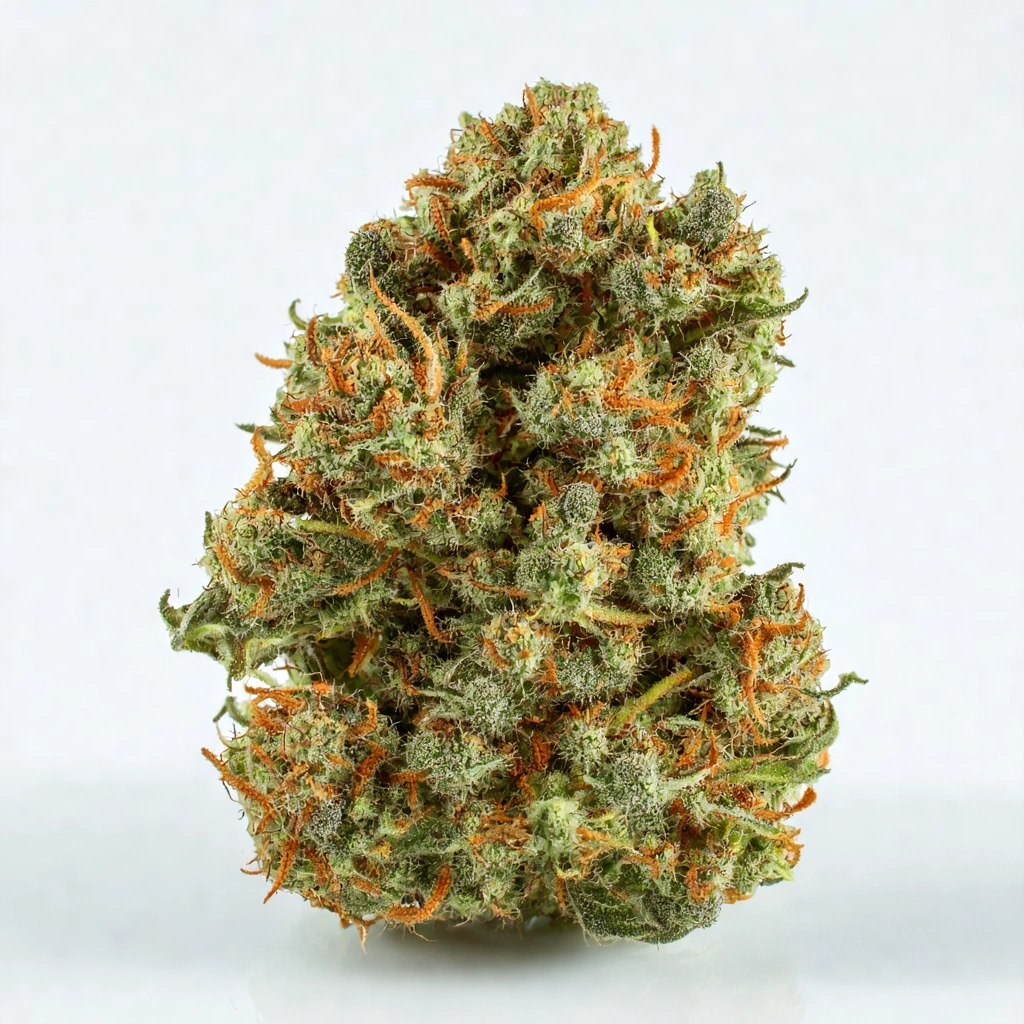
Lavender Diesel
Lavender Diesel
What is the Lavender Diesel strain?
Lavender Diesel is a hybrid cannabis strain with up to 27.0% THC, known for its relaxed effects and berry and citrus flavor profile.
Lavender Diesel is a hybrid cannabis cultivar created by crossing Lavender and NYC Diesel strains. Growers and consumers often describe it as a sativa-leaning hybrid with balanced mental clarity and a soothing, body-light finish. Early online reports of Lavender Diesel entries surfaced in the early-to-mid 2010s across Western US markets, coinciding with the diesel renaissance driven by East Coast genetics. The strain emerged as breeders sought to blend the unmistakable diesel nose with the soothing, perfumed qualities of Lavender, a Soma Seeds classic. Nuggets of this strain tend to be shaped like cones and bare lighter shades of green while having small brown and tan patches of pistils, with small round light minty green nugs featuring lots of dark red orange hairs and a coating of tiny golden colored crystal trichomes. Lavender Diesel has gained steady traction because it bridges two beloved flavor families without veering into extremes.
What are the effects of Lavender Diesel?
What are the medical benefits of Lavender Diesel?
- Users report relief from chronic stress
- May help with anxiety
- Often used for muscle spasms and tremors
- Users report pain management benefits
- May assist with insomnia
This is not medical advice. Consult a healthcare professional.
What are the side effects of Lavender Diesel?
- 💧 Dry Mouth
- 👁️ Dry Eyes
- Dry mouth
- Dry eyes
- Possible anxiety in high doses
How do you grow Lavender Diesel?
Flowering time commonly falls in the 8 to 10 week range indoors, with outdoor and greenhouse growers in temperate zones typically targeting late September to mid-October harvests. Lavender Diesel tends to stretch moderately after the light cycle is flipped, often doubling in height during the first 2 to 3 weeks of flowering. The strain is considered moderately difficult to grow, suitable for both indoor and outdoor cultivation. A semi-open canopy responds well to topping, low-stress training, and SCROG-style netting to even out tops and support colas, with keeping canopy temperatures in a comfortable range helping preserve aroma intensity. Lavender Diesel performs well in aerated, well-draining media that maintain oxygen at the root zone, as healthy roots correlate strongly with terpene expression. Expected yields are moderate, with proper environmental control and training techniques important for optimal results.
How should you use Lavender Diesel?
Lavender Diesel is a hybrid strain with 27.0% THC, which is considered high potency. As a hybrid, it offers versatility for both daytime and evening use.
Beginners
Start with 1-2 small inhalations or 2.5-5mg if using edibles. Wait 15 minutes before taking more. This strain is potent — start very low.
Regular Users
A standard session of 3-5 inhalations or 5-15mg edible dose. Effects typically onset within 5-15 minutes when inhaled, 30-90 minutes for edibles.
Experienced Users
Adjust to personal tolerance. At 27.0% THC, even experienced users should respect this strain's potency.
Start low and go slow. This is not medical advice — consult a healthcare professional before using cannabis.
What is the genetic lineage of Lavender Diesel?
What are Lavender Diesel's parent strains?
Frequently Asked Questions
How does Lavender Diesel make you feel?
Lavender Diesel is a hybrid strain that primarily produces relaxed effects, followed by balanced. Users report the dominant effect at 85% intensity. With 27.0% THC, this strain is considered potent and best suited for experienced users.
Is Lavender Diesel good for medical use?
Lavender Diesel has been reported by users for users report relief from chronic stress, may help with anxiety, often used for muscle spasms and tremors, users report pain management benefits, may assist with insomnia. As a hybrid, it offers a balanced profile that may work throughout the day.
This is not medical advice. Consult a healthcare professional.
Are there side effects with Lavender Diesel?
Some users have reported dry mouth, dry eyes, dry mouth, dry eyes, possible anxiety in high doses when using Lavender Diesel. Starting with a low dose and staying hydrated can help minimize these effects.
What does Lavender Diesel taste and smell like?
Lavender Diesel features a flavor profile of berry, citrus, diesel, earthy, floral, lavender. The dominant terpenes are Limonene and Linalool, which contribute to its distinctive aroma.
What do users say about Lavender Diesel?
Log in to write a review.
No reviews yet. Be the first to review Lavender Diesel!
What does the research say about Lavender Diesel?
Lavender Diesel is a hybrid cannabis strain containing up to 27.0% THC, with a terpene profile dominated by Limonene and Linalool. Below are authoritative resources for understanding the compounds in this strain.
Cannabinoid Information
Cannabis Regulations & Safety
What strains are similar to Lavender Diesel?
#1 Stunna
HybridTHC: 20.0% - 30.0%
#41 Zi
HybridTHC: Unknown
$.i.N.G
HybridTHC: 18.0% - 24.0%
'78 LA OG Affie
HybridTHC: 22.0% - 23.0%
'78 Skunk 'D' x Gorilla Grape
HybridTHC: Unknown
'78 Skunk 'M' x Gorilla Grape
HybridTHC: Unknown
'87 Firebird
HybridTHC: 18.0% - 23.0%
'98 Aloha White Widow
HybridTHC: 20.0% - 25.0%