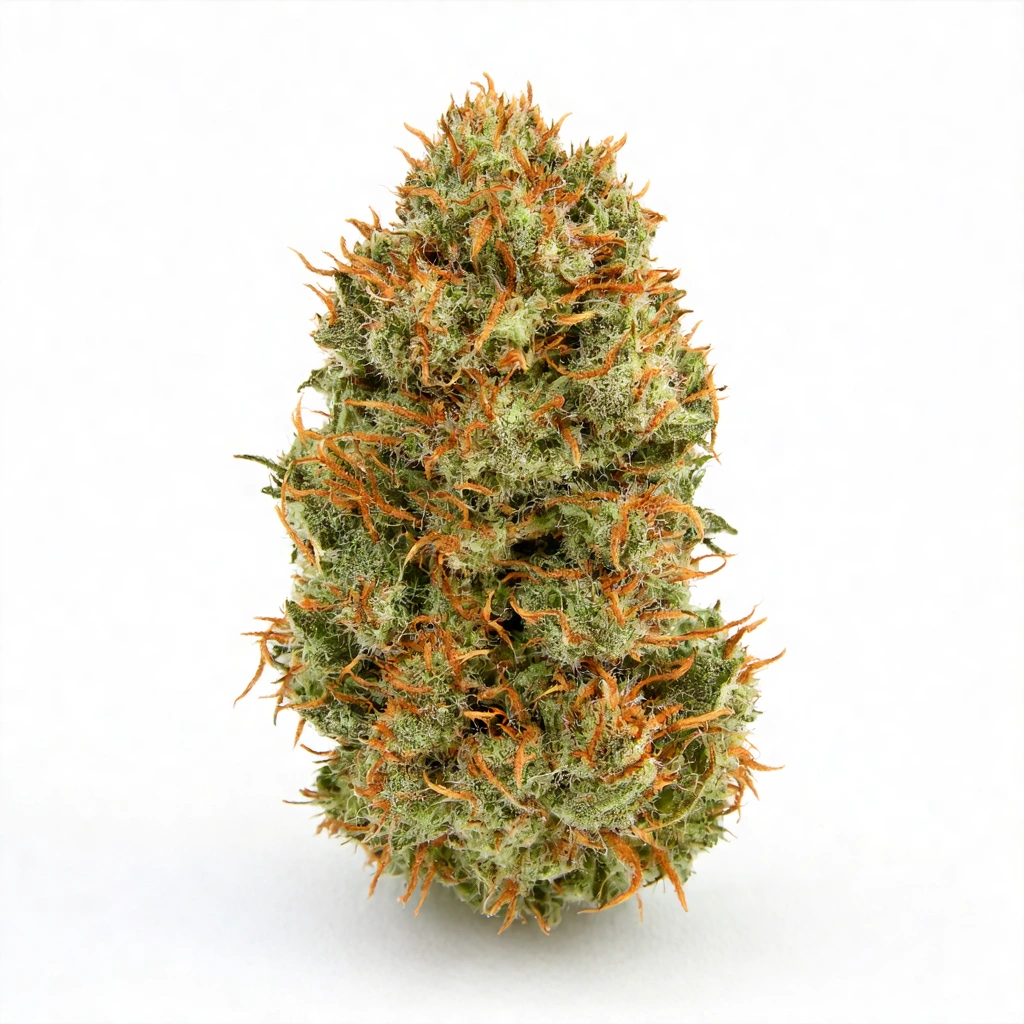
Lebanese
Lebanese
Also known as: Lebanese Landrace, Red Lebanese, Blonde Lebanese, Yellow Lebanese
What is the Lebanese strain?
Lebanese is a sativa cannabis strain with up to 8.0% THC, known for its happy effects and citrus and earthy flavor profile.
Lebanese is a pure sativa landrace strain originating from the renowned mountain regions above the Bekaa Valley in Lebanon, which has been traditionally used for producing the finest Lebanese hashish. The Bekaa Valley has been a major center of commercial hashish production for export since the early 20th century, with crops likely introduced by Levantine smuggling networks and influenced by Greek cultivation practices until the 1930s, followed by the introduction of Afghan genetics in 1974. This ancient landrace has been cultivated by mountain families for generations, grown at altitudes of 1,700 meters and above, where the finest examples for Lebanese hash production are found.
The strain is characterized by its high CBD content, which can reach exceptionally high double-digit quantities in some individuals, with the population segregating into Type 1, 2, and 3 chemotypes. Lebanese plants display two distinct growth architectures: compact columnar plants with minimal branching suited for industrial hash production, and heavily branched spherical phenotypes that can reach dimensions of 90 by 90 cm. This is a very early maturing landrace with harvest as early as August, featuring semi-autoflowering characteristics that cause it to flower during summer when days are long. The strain produces a clean, cheerful and pleasant effect that is smooth and not overwhelming, with great medicinal potential due to its remarkable CBD content of 6-16%.
What are the effects of Lebanese?
What are the medical benefits of Lebanese?
- Users report great medicinal potential for anxiety and paranoia relief
- May help with relaxation and improving sleep quality
- Often used for stress relief and improving overall well-being
This is not medical advice. Consult a healthcare professional.
What are the side effects of Lebanese?
- 💧 Dry Mouth
- 👁️ Dry Eyes
- Dry mouth
- Dry eyes
- Possible over-sedation in high doses
How do you grow Lebanese?
Indoor flowering time is 9-11 weeks. Not recommended to use large amounts of fertilizer or flowering stimulators as stress from over-fertilization may cause slight hermaphroditism at the end of flowering. Excellent for outdoor cultivation with semi-automatic flowering, great resistance to heat and drought. Usually blooms after 6 weeks of vegetative growth and is ready to harvest between end of September and early October. Height ranges from 0.5-1.5 meters, considered an early finisher with compact growth. Locally harvested from August to September. Especially adapted for outdoor growing in hot and arid climates, showing excellent resistance against drought and high temperatures. During flowering, branches form large colas which swell with pronounced foxtails that reflower until the end of the cycle, delivering generous yields of flowers and resin.
How should you use Lebanese?
Lebanese is a sativa strain with 8.0% THC, which is low potency. As a sativa, it works well for daytime activities and creative sessions.
Beginners
Start with 1-2 small inhalations or 2.5-5mg if using edibles. Wait 15 minutes before taking more.
Regular Users
A standard session of 3-5 inhalations or 5-15mg edible dose. Effects typically onset within 5-15 minutes when inhaled, 30-90 minutes for edibles.
Experienced Users
Adjust to personal tolerance. Moderate doses should provide a satisfying experience.
Start low and go slow. This is not medical advice — consult a healthcare professional before using cannabis.
What is the genetic lineage of Lebanese?
What strains were bred from Lebanese?
Frequently Asked Questions
How does Lebanese make you feel?
Lebanese is a sativa strain that primarily produces happy effects, followed by relaxed. Users report the dominant effect at 80% intensity. With 8.0% THC, this strain is mild and beginner-friendly.
Is Lebanese good for medical use?
Lebanese has been reported by users for users report great medicinal potential for anxiety and paranoia relief, may help with relaxation and improving sleep quality, often used for stress relief and improving overall well-being. As a sativa strain, it may be suitable for daytime use while managing symptoms.
This is not medical advice. Consult a healthcare professional.
Are there side effects with Lebanese?
Some users have reported dry mouth, dry eyes, dry mouth, dry eyes, possible over-sedation in high doses when using Lebanese. Starting with a low dose and staying hydrated can help minimize these effects.
What does Lebanese taste and smell like?
Lebanese features a flavor profile of citrus, earthy, floral, mango, pine, sweet, woody. The dominant terpenes are Myrcene and Pinene, which contribute to its distinctive aroma.
What do users say about Lebanese?
Log in to write a review.
No reviews yet. Be the first to review Lebanese!
What does the research say about Lebanese?
Lebanese is a sativa cannabis strain containing up to 8.0% THC, with a terpene profile dominated by Myrcene and Pinene. Below are authoritative resources for understanding the compounds in this strain.