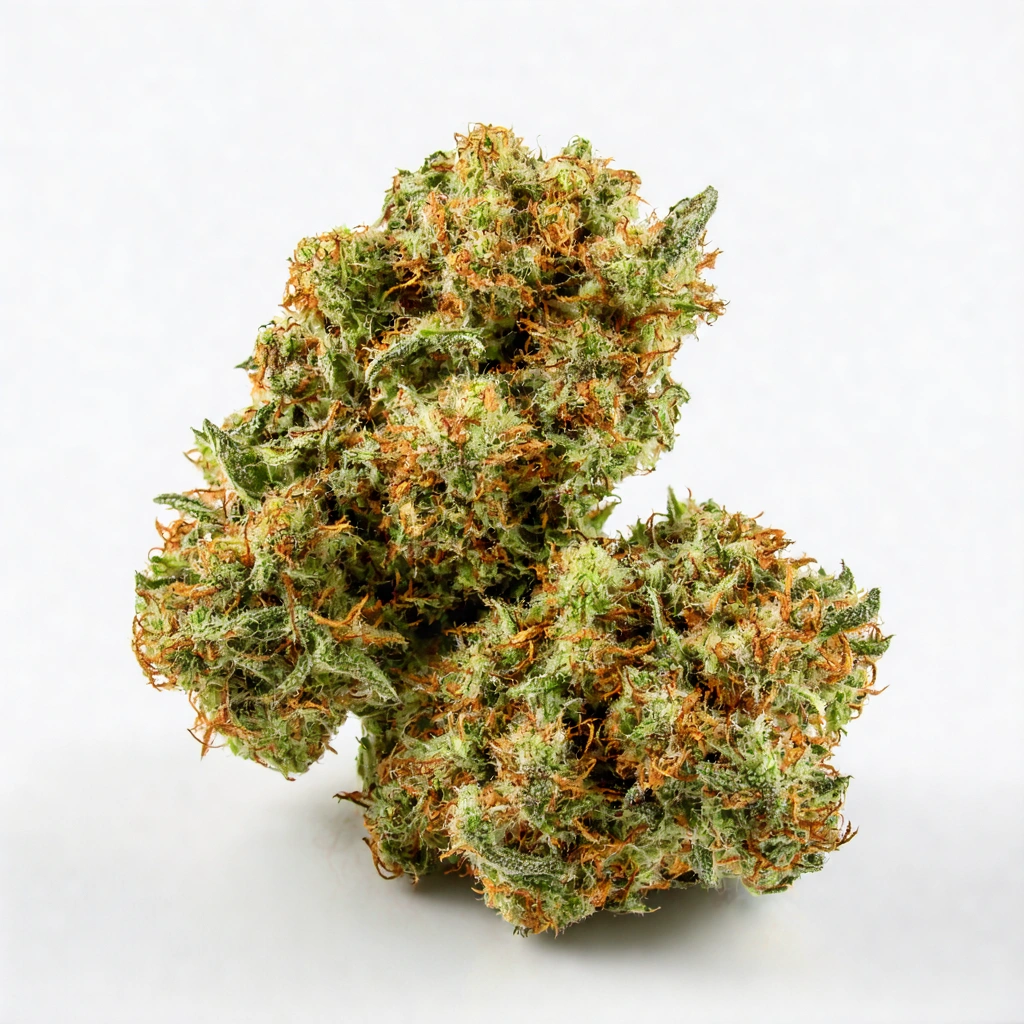
Lemon Wreck
Lemon Wreck
Also known as: Lemon Trainwreck, Lemon Trainwreck Haze
What is the Lemon Wreck strain?
Lemon Wreck is a hybrid cannabis strain with up to 25.0% THC, known for its uplifted effects and citrus and diesel flavor profile.
Lemon Wreck (also known as Lemon Trainwreck) is a cross between the distinctive-tasting Lemon Diesel and the notoriously potent sativa Trainwreck. This complex hybrid offers a very strong citrus flavor profile along with a dynamic mix of mental and physical effects, producing a terpene-rich profile that leans citrus and pine. As Trainwreck clones proliferated along the West Coast in the early 2000s, breeders layered in lemon-heavy parents to modernize the flavor without losing the sativa spark, with community lore frequently pointing to small-batch West Coast projects that crossed Trainwreck with Lemon Diesel or similar citrus-dominant stock. No single commercial breeder has claimed responsibility for Lemon Wreck's creation, and none have released the strain's seeds for commercial sale. Over time, select cuts stabilized enough to circulate among nurseries and dispensaries, especially in California and Colorado, with Lemon Wreck earning a footprint in both medical and adult-use markets by the mid-2010s thanks to its accessible flavor and energetic daytime appeal.
What are the effects of Lemon Wreck?
What are the medical benefits of Lemon Wreck?
- Users report relief from insomnia
- May help with stress and anxiety
- Often used for pain management
- Users report appetite stimulation
- May help with depression
This is not medical advice. Consult a healthcare professional.
What are the side effects of Lemon Wreck?
- 💧 Dry Mouth
- 👁️ Dry Eyes
- Dry mouth
- Dry eyes
- Possible anxiety in high doses
- May cause paranoia in sensitive users
- Possible headache
How do you grow Lemon Wreck?
No single commercial breeder has claimed responsibility for Lemon Wreck's creation, and none have released the strain's seeds for commercial sale. As such, prospective growers must obtain clippings from mature plants of this strain in order to grow genetically identical 'clones.' Its combination of potency, aroma density, and relatively straightforward cultivation has helped it persist despite new-wave dessert hybrids dominating retail menus. This strain is currently clone-only and as such, isn't very tolerant to stress. She should be kept out of high heat and will need a lot of TLC in flowering, when you should pay attention to her calcium levels. She'll grow to around 4 feet indoors and will need structural support to hold her buds in flowering. You need to watch out for her turning hermie if she's been under pressure! Unless you're growing in California or an area very much like it, you should probably grow this strain indoors.
How should you use Lemon Wreck?
Lemon Wreck is a hybrid strain with 25.0% THC, which is considered high potency. As a hybrid, it offers versatility for both daytime and evening use.
Beginners
Start with 1-2 small inhalations or 2.5-5mg if using edibles. Wait 15 minutes before taking more. This strain is potent — start very low.
Regular Users
A standard session of 3-5 inhalations or 5-15mg edible dose. Effects typically onset within 5-15 minutes when inhaled, 30-90 minutes for edibles.
Experienced Users
Adjust to personal tolerance. At 25.0% THC, even experienced users should respect this strain's potency.
Start low and go slow. This is not medical advice — consult a healthcare professional before using cannabis.
What is the genetic lineage of Lemon Wreck?
What are Lemon Wreck's parent strains?
Frequently Asked Questions
How does Lemon Wreck make you feel?
Lemon Wreck is a hybrid strain that primarily produces uplifted effects, followed by euphoric. Users report the dominant effect at 80% intensity. With 25.0% THC, this strain is considered potent and best suited for experienced users.
Is Lemon Wreck good for medical use?
Lemon Wreck has been reported by users for users report relief from insomnia, may help with stress and anxiety, often used for pain management, users report appetite stimulation, may help with depression. As a hybrid, it offers a balanced profile that may work throughout the day.
This is not medical advice. Consult a healthcare professional.
Are there side effects with Lemon Wreck?
Some users have reported dry mouth, dry eyes, dry mouth, dry eyes, possible anxiety in high doses, may cause paranoia in sensitive users, possible headache when using Lemon Wreck. Starting with a low dose and staying hydrated can help minimize these effects.
What does Lemon Wreck taste and smell like?
Lemon Wreck features a flavor profile of citrus, diesel, earthy, lemon, pine, sour, sweet. The dominant terpenes are Limonene and Terpinolene, which contribute to its distinctive aroma.
What do users say about Lemon Wreck?
Log in to write a review.
No reviews yet. Be the first to review Lemon Wreck!
What does the research say about Lemon Wreck?
Lemon Wreck is a hybrid cannabis strain containing up to 25.0% THC, with a terpene profile dominated by Limonene and Terpinolene. Below are authoritative resources for understanding the compounds in this strain.
Cannabinoid Information
Cannabis Regulations & Safety
What strains are similar to Lemon Wreck?
#1 Stunna
HybridTHC: 20.0% - 30.0%
#41 Zi
HybridTHC: Unknown
$.i.N.G
HybridTHC: 18.0% - 24.0%
'78 LA OG Affie
HybridTHC: 22.0% - 23.0%
'78 Skunk 'D' x Gorilla Grape
HybridTHC: Unknown
'78 Skunk 'M' x Gorilla Grape
HybridTHC: Unknown
'87 Firebird
HybridTHC: 18.0% - 23.0%
'98 Aloha White Widow
HybridTHC: 20.0% - 25.0%