Morning Glory
Morning Glory
What is the Morning Glory strain?
Morning Glory is a hybrid cannabis strain with up to 20.0% THC, known for its euphoric effects and citrus and earthy flavor profile.
Morning Glory is a sativa-dominant hybrid strain (60% sativa/40% indica) created as a three-way cross of the classic Hawaiian, Skunk #1, and Afghani strains. Created by the same inventive breeders that gave us Liberty Haze and Tangerine Dream, Barney's Farm, this strain gained significant recognition when it won the High Times Cannabis Cup in 2002. The strain combines the heavy resin production and sedative effects of pure Afghani Indica with the energetic and euphoric effects of Hawaiian Sativa, while Skunk #1 contributes its stable genetics, pungent aroma, and balanced effects along with hybrid stability.
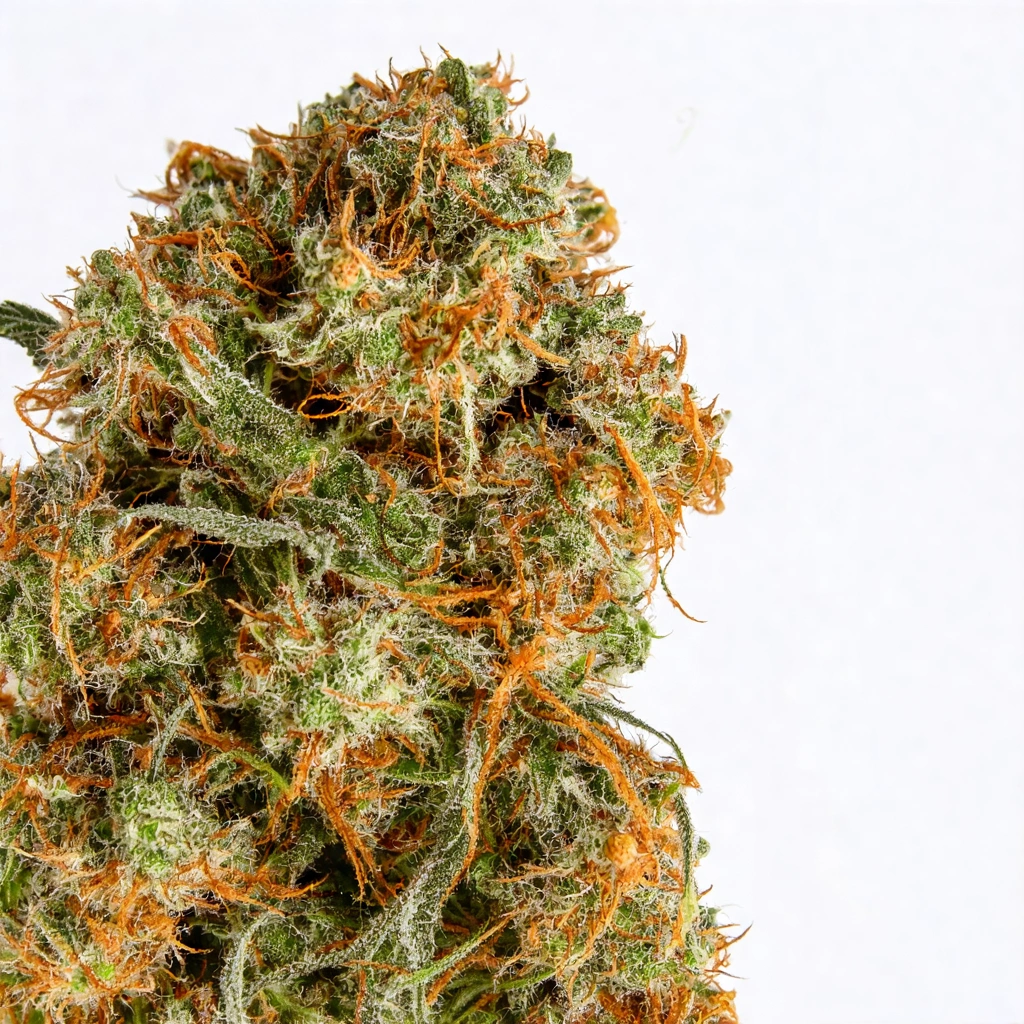
Morning Glory produces small to medium-sized flowers that cling together in tight, globular clusters with broad leaves curling closely inward to form a dense core. The leaves are dark forest green, with some phenotypes showing deep purple patches, while curly orange pistils provide visual contrast and a heavy coating of translucent white trichomes makes these flowers sticky. The strain's appearance reflects its indica influence despite its sativa-dominant genetics, creating dense, resinous buds ideal for extraction.
What are the effects of Morning Glory?
What are the medical benefits of Morning Glory?
- Users report relief from stress
- May help with depression
- Often used for fatigue
- May help with ADD/ADHD
- Users report pain relief
- May help with fibromyalgia
- Often used as appetite stimulant
- May help with headaches and cramps
This is not medical advice. Consult a healthcare professional.
What are the side effects of Morning Glory?
- 💧 Dry Mouth
- 👁️ Dry Eyes
- 😰 Anxiety
- Dry mouth
- Dry eyes
- Possible paranoia with high doses
- Potential anxiety in THC-sensitive users
- Occasional dizziness
How do you grow Morning Glory?
Morning Glory is considered a moderately difficult strain to grow that is suitable for both indoor and outdoor cultivation. The plant exhibits vigorous growth, requiring only 2 weeks of vegetation before transitioning to an 8-10 week flowering period. Indoor plants typically reach 90-100cm in height and can yield 550-650 grams per square meter under optimal conditions. Outdoor cultivation can produce exceptional yields of up to 2kg per plant in ideal conditions, with harvest time in early October. The strain prefers temperatures below 77°F at canopy level and responds well to low fertilizer levels. Growing techniques like LST and topping can improve yields, and the strain responds well to LED lighting. Plants need adequate space and should not be placed close together. The strain is known for producing very resinous buds and can withstand cooler climates.
How should you use Morning Glory?
Morning Glory is a hybrid strain with 20.0% THC, which is moderate potency. As a hybrid, it offers versatility for both daytime and evening use.
Beginners
Start with 1-2 small inhalations or 2.5-5mg if using edibles. Wait 15 minutes before taking more. This strain is potent — start very low.
Regular Users
A standard session of 3-5 inhalations or 5-15mg edible dose. Effects typically onset within 5-15 minutes when inhaled, 30-90 minutes for edibles.
Experienced Users
Adjust to personal tolerance. Moderate doses should provide a satisfying experience.
Start low and go slow. This is not medical advice — consult a healthcare professional before using cannabis.
What is the genetic lineage of Morning Glory?
What are Morning Glory's parent strains?
Frequently Asked Questions
How does Morning Glory make you feel?
Morning Glory is a hybrid strain that primarily produces euphoric effects, followed by uplifted. Users report the dominant effect at 85% intensity. With 20.0% THC, this strain is moderately strong and suitable for regular consumers.
Is Morning Glory good for medical use?
Morning Glory has been reported by users for users report relief from stress, may help with depression, often used for fatigue, may help with add/adhd, users report pain relief, may help with fibromyalgia, often used as appetite stimulant, may help with headaches and cramps. As a hybrid, it offers a balanced profile that may work throughout the day.
This is not medical advice. Consult a healthcare professional.
Are there side effects with Morning Glory?
Some users have reported dry mouth, dry eyes, anxiety, dry mouth, dry eyes, possible paranoia with high doses, potential anxiety in thc-sensitive users, occasional dizziness when using Morning Glory. Starting with a low dose and staying hydrated can help minimize these effects.
What does Morning Glory taste and smell like?
Morning Glory features a flavor profile of citrus, earthy, lemon, pepper, pine, sandalwood, spicy, woody. The dominant terpenes are Myrcene and Caryophyllene, which contribute to its distinctive aroma.
What do users say about Morning Glory?
Log in to write a review.
No reviews yet. Be the first to review Morning Glory!
What does the research say about Morning Glory?
Morning Glory is a hybrid cannabis strain containing up to 20.0% THC, with a terpene profile dominated by Myrcene and Caryophyllene. Below are authoritative resources for understanding the compounds in this strain.
Cannabinoid Information
Cannabis Regulations & Safety
What strains are similar to Morning Glory?
#1 Stunna
HybridTHC: 20.0% - 30.0%
#41 Zi
HybridTHC: Unknown
$.i.N.G
HybridTHC: 18.0% - 24.0%
'78 LA OG Affie
HybridTHC: 22.0% - 23.0%
'78 Skunk 'D' x Gorilla Grape
HybridTHC: Unknown
'78 Skunk 'M' x Gorilla Grape
HybridTHC: Unknown
'87 Firebird
HybridTHC: 18.0% - 23.0%
'98 Aloha White Widow
HybridTHC: 20.0% - 25.0%