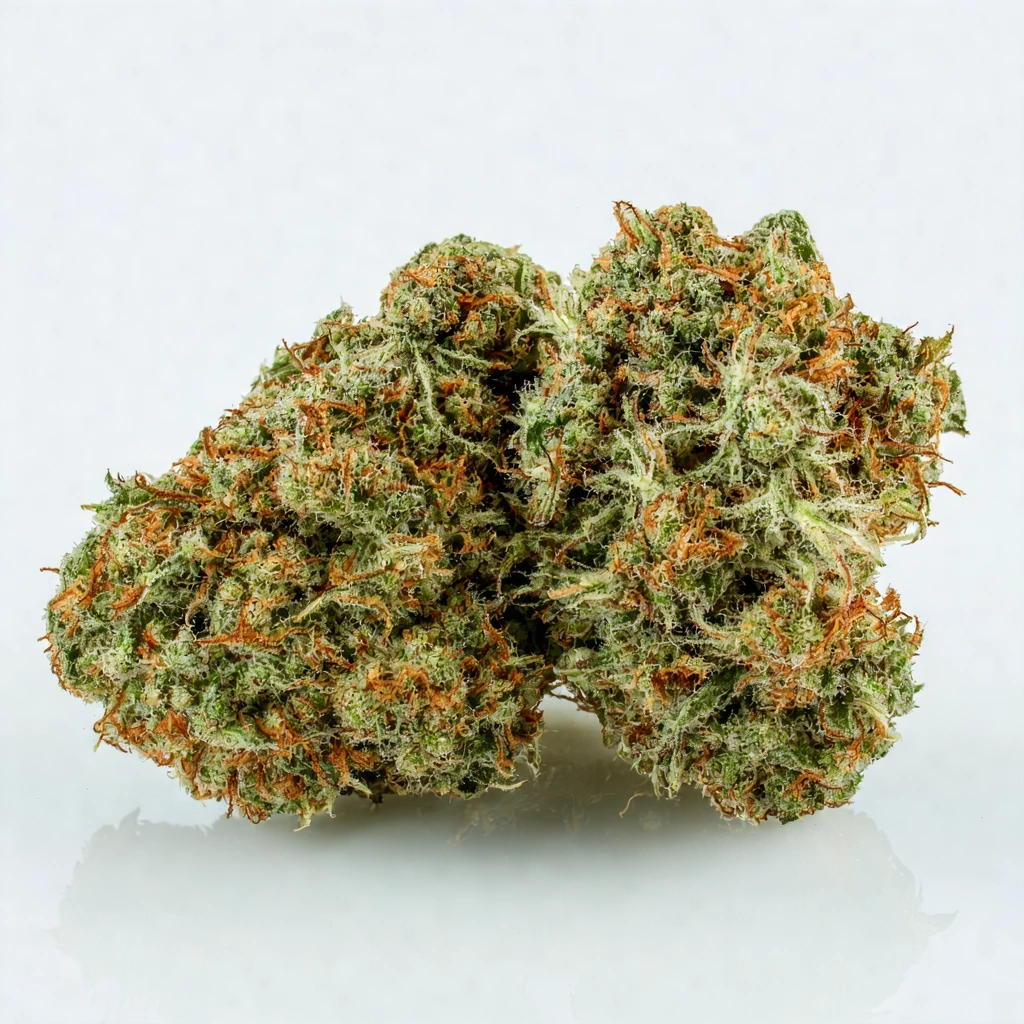
Oil Spill
Oil Spill
Also known as: Oil Slick, Oil Spill OG, Mandlebrots Oil Spill
What is the Oil Spill strain?
Oil Spill is a hybrid cannabis strain with up to 27.0% THC, known for its relaxed effects and berry and diesel flavor profile.
Oil Spill is a balanced hybrid cannabis strain with complex genetics and multiple variations developed by different breeders. The strain traces its lineage primarily to Royal Kush and XXX OG genetics, though some versions also incorporate Triple Kush or other parent strains. Notable producers include Emerald Mountain Seeds and Aficionado Seeds, each developing distinct variations. The strain represents a complex genetic lineage with multiple origin stories, depending on the breeder. Oil Spill is characterized by its small, rounded buds with dusty green coloring and neon green to bright blue undertones. Deep amber hairs weave throughout the nuggets, while a heavy coating of clear crystal trichomes adds significant visual appeal. The color variation is enhanced by sweet, syrupy resin that gives the buds their distinctive frosty sheen. The strain delivers sweet, fruity flavors transitioning to pungent diesel notes, with prominent sour berry undertones. The Oil Spill high has a definite creeping effect, building in the background before gradually taking over the mind and body.
What are the effects of Oil Spill?
What are the medical benefits of Oil Spill?
- Users report relief from chronic pain
- May help with anxiety
- Often used for depression
- Users report appetite stimulation
- May assist with insomnia
- Used for stress relief
This is not medical advice. Consult a healthcare professional.
What are the side effects of Oil Spill?
- 💧 Dry Mouth
- 👁️ Dry Eyes
- 😰 Anxiety
- Dry mouth
- Dry eyes
- Possible slight anxiety in sensitive users
How do you grow Oil Spill?
Oil Spill is considered a moderately difficult strain to grow, suitable for both indoor and outdoor cultivation. Flowering time ranges from 63-70 days indoors, with outdoor harvest typically occurring around October 20th. Indoor plants yield around 300 grams per plant while outdoor plants can produce 400 grams or more. Plants can reach heights of 60-80 inches (5-8 feet). Indoor yields for well-maintained plants typically range from 400-550 g/m² under optimized conditions. The strain requires consistent airflow and humidity control to enhance terpene profiles and responds well to training techniques like topping, low-stress training, and SCROG methods.
How should you use Oil Spill?
Oil Spill is a hybrid strain with 27.0% THC, which is considered high potency. As a hybrid, it offers versatility for both daytime and evening use.
Beginners
Start with 1-2 small inhalations or 2.5-5mg if using edibles. Wait 15 minutes before taking more. This strain is potent — start very low.
Regular Users
A standard session of 3-5 inhalations or 5-15mg edible dose. Effects typically onset within 5-15 minutes when inhaled, 30-90 minutes for edibles.
Experienced Users
Adjust to personal tolerance. At 27.0% THC, even experienced users should respect this strain's potency.
Start low and go slow. This is not medical advice — consult a healthcare professional before using cannabis.
What is the genetic lineage of Oil Spill?
What strains were bred from Oil Spill?
Frequently Asked Questions
How does Oil Spill make you feel?
Oil Spill is a hybrid strain that primarily produces relaxed effects, followed by euphoric. Users report the dominant effect at 85% intensity. With 27.0% THC, this strain is considered potent and best suited for experienced users.
Is Oil Spill good for medical use?
Oil Spill has been reported by users for users report relief from chronic pain, may help with anxiety, often used for depression, users report appetite stimulation, may assist with insomnia, used for stress relief. As a hybrid, it offers a balanced profile that may work throughout the day.
This is not medical advice. Consult a healthcare professional.
Are there side effects with Oil Spill?
Some users have reported dry mouth, dry eyes, anxiety, dry mouth, dry eyes, possible slight anxiety in sensitive users when using Oil Spill. Starting with a low dose and staying hydrated can help minimize these effects.
What does Oil Spill taste and smell like?
Oil Spill features a flavor profile of berry, diesel, earthy, fruity, herbal, pine, spicy, sweet. The dominant terpenes are Humulene and Ocimene, which contribute to its distinctive aroma.
What do users say about Oil Spill?
Log in to write a review.
No reviews yet. Be the first to review Oil Spill!
What does the research say about Oil Spill?
Oil Spill is a hybrid cannabis strain containing up to 27.0% THC, with a terpene profile dominated by Humulene and Ocimene. Below are authoritative resources for understanding the compounds in this strain.
Terpene Research
Cannabinoid Information
Cannabis Regulations & Safety
What strains are similar to Oil Spill?
#1 Stunna
HybridTHC: 20.0% - 30.0%
#41 Zi
HybridTHC: Unknown
$.i.N.G
HybridTHC: 18.0% - 24.0%
'78 LA OG Affie
HybridTHC: 22.0% - 23.0%
'78 Skunk 'D' x Gorilla Grape
HybridTHC: Unknown
'78 Skunk 'M' x Gorilla Grape
HybridTHC: Unknown
'87 Firebird
HybridTHC: 18.0% - 23.0%
'98 Aloha White Widow
HybridTHC: 20.0% - 25.0%