Oregon Diesel
Oregon Diesel
What is the Oregon Diesel strain?
Oregon Diesel is a hybrid cannabis strain with up to 26.0% THC, known for its relaxed effects and blackberry and diesel flavor profile.
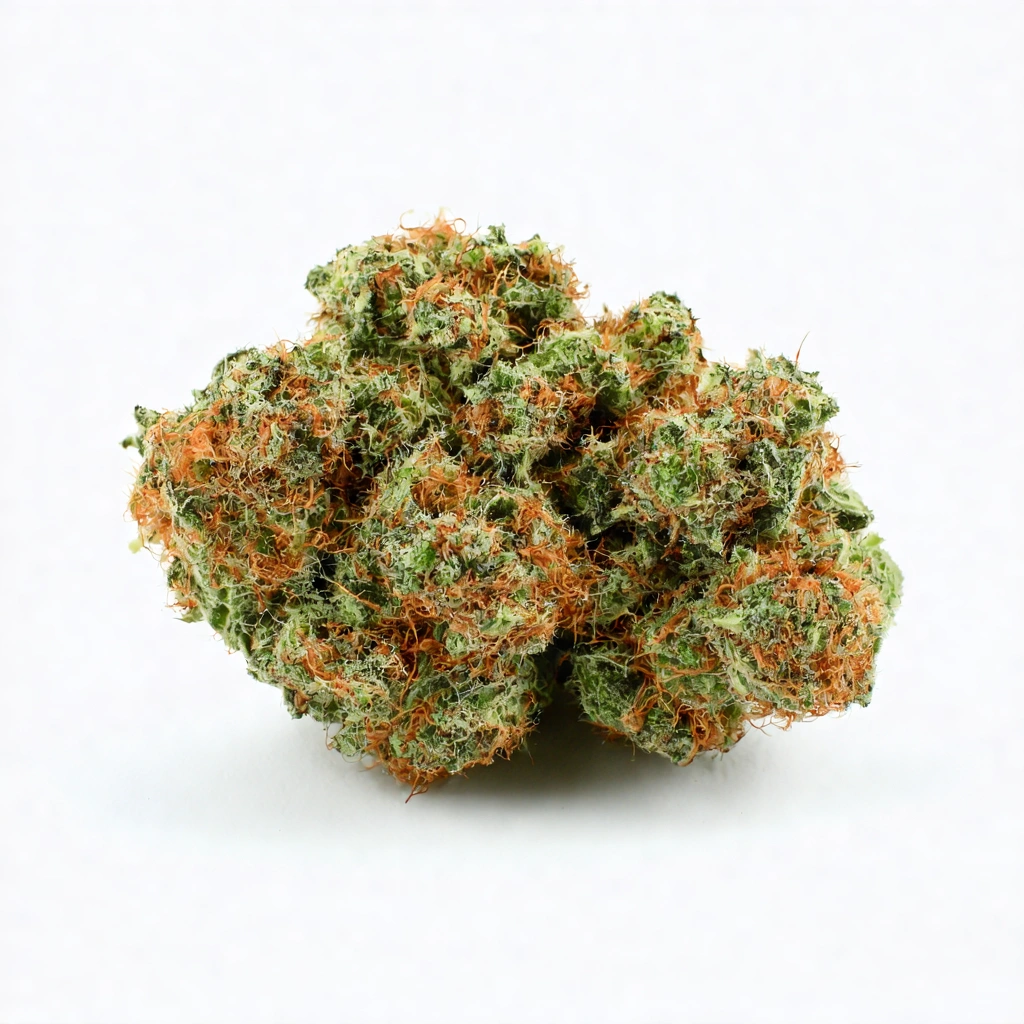
Oregon Diesel is an indica-dominant hybrid cannabis strain that was bred specifically for the Pacific Northwest climate, combining the genetics of NYC Diesel and Blackberry. Originally popularized by Oregrown and documented by growers like Ray, who created a distinctive phenotype that flowers early outdoors in 17 hours of light, the strain was developed to address the challenges of mold and mildew common in the Pacific Northwest's climate. Oregon Diesel exhibits dense, compact buds with deep green coloration and rich purple undertones, featuring vibrant orange pistils and a thick coating of sandy white crystal trichomes. The strain is notable for its complex terpene profile, with high concentrations of myrcene, caryophyllene, and limonene creating its distinctive diesel aroma mixed with fruity blackberry notes and subtle pine undertones. Different breeders have produced variations of this strain, with some versions including autoflowering genetics through crosses with Lowryder 2, making it adaptable to various growing conditions while maintaining its therapeutic potency and unique aromatic profile.
What are the effects of Oregon Diesel?
What are the medical benefits of Oregon Diesel?
- Users report relief from chronic pain
- May help with insomnia
- Often used for stress management
- Users report relief from inflammation
- May help with muscle spasms
- Often used for nighttime pain relief
This is not medical advice. Consult a healthcare professional.
What are the side effects of Oregon Diesel?
- 💧 Dry Mouth
- 👁️ Dry Eyes
- Dry mouth
- Dry eyes
- Possible anxiety in high doses
How do you grow Oregon Diesel?
Oregon Diesel is considered moderate difficulty to grow and thrives in cooler, wet climates typical of the Pacific Northwest. The strain has a flowering time of 56-63 days indoors and finishes early outdoors in September when planted in June. Indoor plants typically reach 3-4 feet in height while outdoor plants can grow 6-8 feet tall. Expected yields are 350-450 grams per square meter indoors and 700-800 grams per plant outdoors. The strain responds well to low-stress training (LST) and topping techniques, requires good ventilation due to dense bud structure, and benefits from support for heavy branches. It prefers temperatures between 70-80°F during the day with cooler nights to enhance purple coloration, and performs best in well-draining, organically enriched soil with neutral pH levels.
How should you use Oregon Diesel?
Oregon Diesel is a hybrid strain with 26.0% THC, which is considered high potency. As a hybrid, it offers versatility for both daytime and evening use.
Beginners
Start with 1-2 small inhalations or 2.5-5mg if using edibles. Wait 15 minutes before taking more. This strain is potent — start very low.
Regular Users
A standard session of 3-5 inhalations or 5-15mg edible dose. Effects typically onset within 5-15 minutes when inhaled, 30-90 minutes for edibles.
Experienced Users
Adjust to personal tolerance. At 26.0% THC, even experienced users should respect this strain's potency.
Start low and go slow. This is not medical advice — consult a healthcare professional before using cannabis.
What is the genetic lineage of Oregon Diesel?
What are Oregon Diesel's parent strains?
What strains were bred from Oregon Diesel?
Frequently Asked Questions
How does Oregon Diesel make you feel?
Oregon Diesel is a hybrid strain that primarily produces relaxed effects, followed by sleepy. Users report the dominant effect at 85% intensity. With 26.0% THC, this strain is considered potent and best suited for experienced users.
Is Oregon Diesel good for medical use?
Oregon Diesel has been reported by users for users report relief from chronic pain, may help with insomnia, often used for stress management, users report relief from inflammation, may help with muscle spasms, often used for nighttime pain relief. As a hybrid, it offers a balanced profile that may work throughout the day.
This is not medical advice. Consult a healthcare professional.
Are there side effects with Oregon Diesel?
Some users have reported dry mouth, dry eyes, dry mouth, dry eyes, possible anxiety in high doses when using Oregon Diesel. Starting with a low dose and staying hydrated can help minimize these effects.
What does Oregon Diesel taste and smell like?
Oregon Diesel features a flavor profile of blackberry, diesel, earthy, licorice, pine. The dominant terpenes are Myrcene and Caryophyllene, which contribute to its distinctive aroma.
What do users say about Oregon Diesel?
Log in to write a review.
No reviews yet. Be the first to review Oregon Diesel!
What does the research say about Oregon Diesel?
Oregon Diesel is a hybrid cannabis strain containing up to 26.0% THC, with a terpene profile dominated by Myrcene and Caryophyllene. Below are authoritative resources for understanding the compounds in this strain.
Cannabinoid Information
Cannabis Regulations & Safety
What strains are similar to Oregon Diesel?
#1 Stunna
HybridTHC: 20.0% - 30.0%
#41 Zi
HybridTHC: Unknown
$.i.N.G
HybridTHC: 18.0% - 24.0%
'78 LA OG Affie
HybridTHC: 22.0% - 23.0%
'78 Skunk 'D' x Gorilla Grape
HybridTHC: Unknown
'78 Skunk 'M' x Gorilla Grape
HybridTHC: Unknown
'87 Firebird
HybridTHC: 18.0% - 23.0%
'98 Aloha White Widow
HybridTHC: 20.0% - 25.0%