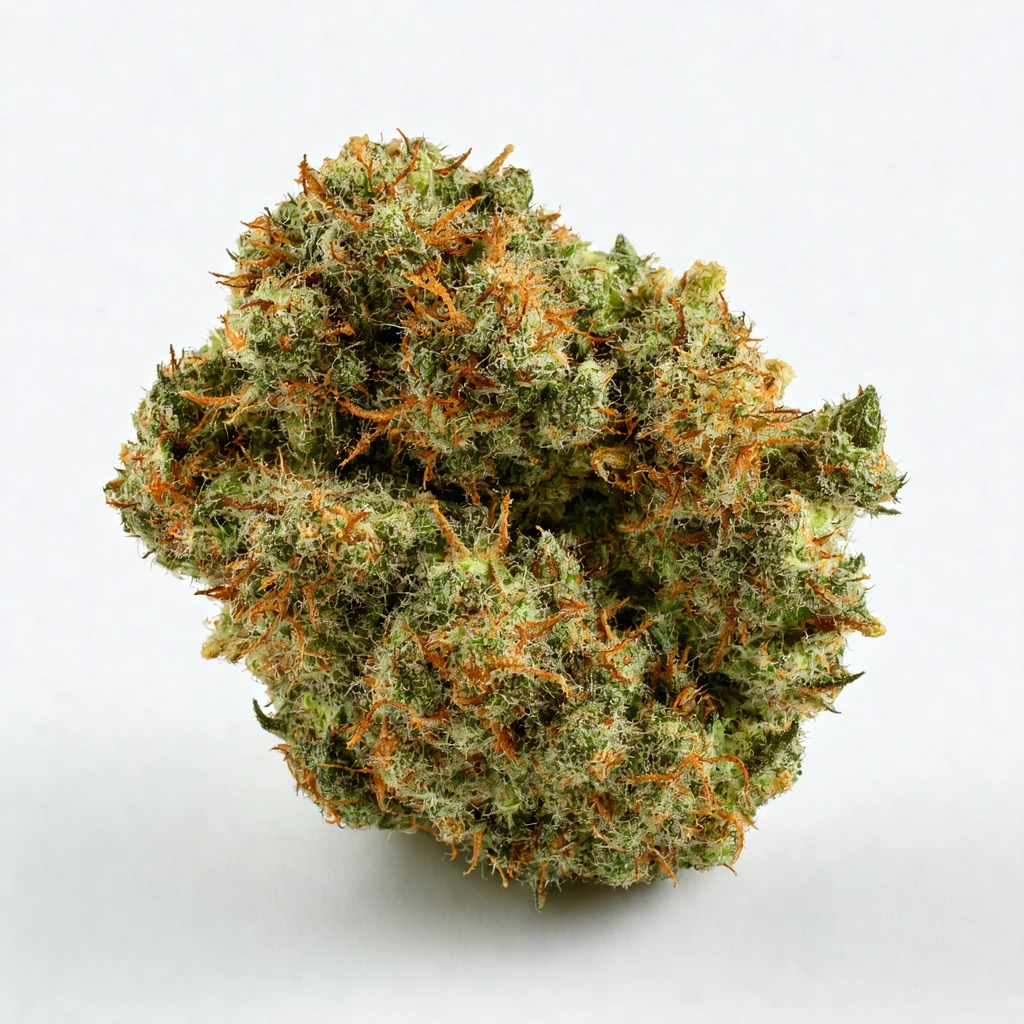
Purple Afghani
Purple Afghani
Also known as: Purple Afghan Kush, BC Purple Afghani
What is the Purple Afghani strain?
Purple Afghani is a indica cannabis strain with up to 25.0% THC, known for its relaxed effects and cheese and earthy flavor profile.
Purple Afghani is an indica-dominant hybrid with a sativa/indica ratio of approximately 25:75, created as a cross between Purple Kush and the Afghani landrace strain. This strain is an inbred descendant of original Afghani landrace genetics, developed to produce the distinctive purple coloring and robust characteristics that define it. Originally made available by BC Bud Depot out of Canada, Purple Afghani has become a popular choice on the West Coast and in Colorado dispensaries. The buds are notably heavy and thick with a dense layer of crystals, taking on purple hues due to their specific genetic combination. This strain naturally develops deep blue and purple colors not from temperature manipulation, but from its unique genetic makeup. Purple Afghani provides a mellow body buzz ideal for late nights and lazy days, with effects that are relaxing and sleepy while also promoting creativity and happiness.
What are the effects of Purple Afghani?
What are the medical benefits of Purple Afghani?
- Users report relief from chronic pain
- May help with insomnia and sleep disorders
- Often used for stress and anxiety management
- Users report relief from muscle spasms
- May help with migraines and headaches
- Often used for glaucoma and eye pressure
- May help stimulate appetite
This is not medical advice. Consult a healthcare professional.
What are the side effects of Purple Afghani?
- 💧 Dry Mouth
- 👁️ Dry Eyes
- 😰 Anxiety
- Dry mouth
- Dry eyes
- Possible anxiety in high doses
- Dizziness
- Fatigue
How do you grow Purple Afghani?
Purple Afghani is described as a strong plant that is easy to grow, making it suitable for both novice and experienced cultivators. The flowering time ranges from 7-9 weeks indoors (56-63 days), with some sources indicating 8-9 weeks specifically. When properly cared for, indoor yields can reach up to 500 grams per square meter, while outdoor plants can produce 600-800 grams per plant. The strain prefers somewhat dry and mild temperature climates, requiring temperatures around 70°F with low humidity during flowering to prevent mold. Purple Afghani is hardy and suited for both indoor and outdoor growth, with its compact size being perfect for limited indoor spaces and thriving outdoors in Mediterranean climates. Outdoor harvest typically occurs in late September.
How should you use Purple Afghani?
Purple Afghani is a indica strain with 25.0% THC, which is considered high potency. As an indica, it is best suited for evening or nighttime use.
Beginners
Start with 1-2 small inhalations or 2.5-5mg if using edibles. Wait 15 minutes before taking more. This strain is potent — start very low.
Regular Users
A standard session of 3-5 inhalations or 5-15mg edible dose. Effects typically onset within 5-15 minutes when inhaled, 30-90 minutes for edibles.
Experienced Users
Adjust to personal tolerance. At 25.0% THC, even experienced users should respect this strain's potency.
Start low and go slow. This is not medical advice — consult a healthcare professional before using cannabis.
What is the genetic lineage of Purple Afghani?
What are Purple Afghani's parent strains?
What strains were bred from Purple Afghani? (30)
- Auto Purple Affie
- Auto Purple Kush
- BC Purple Kush
- BC Purple Star
- Bubbleghan
- Cold War Kush
- Double Purple Doja
- Grizzly Purple Auto
- Las Vegas Purple Kush
- OG Purple Fire Thai
- Potent Purple
- Purple #1
- Purple Arrow
- Purple Bubba iX
- Purple Bud
- Purple Gihad
- Purple Glam Kush
- Purple Hindu Kush
- Purple Kush #1
- Purple Queen
- Purple Sativa
- Purple Valley OG
- Royal Purple
- SR-71 PK
- Super Purple Skunk
- The Dutch Purps
- The Purp
- Violet Kush
- Violet Kush Auto
- West Coast Purple Affie
Frequently Asked Questions
How does Purple Afghani make you feel?
Purple Afghani is a indica strain that primarily produces relaxed effects, followed by sleepy. Users report the dominant effect at 90% intensity. With 25.0% THC, this strain is considered potent and best suited for experienced users.
Is Purple Afghani good for medical use?
Purple Afghani has been reported by users for users report relief from chronic pain, may help with insomnia and sleep disorders, often used for stress and anxiety management, users report relief from muscle spasms, may help with migraines and headaches, often used for glaucoma and eye pressure, may help stimulate appetite. As an indica strain, it may be particularly suited for evening or nighttime use.
This is not medical advice. Consult a healthcare professional.
Are there side effects with Purple Afghani?
Some users have reported dry mouth, dry eyes, anxiety, dry mouth, dry eyes, possible anxiety in high doses, dizziness, fatigue when using Purple Afghani. Starting with a low dose and staying hydrated can help minimize these effects.
What does Purple Afghani taste and smell like?
Purple Afghani features a flavor profile of cheese, earthy, fruity, herbal, pine, sweet, woody. The dominant terpenes are Limonene and Myrcene, which contribute to its distinctive aroma.
What do users say about Purple Afghani?
Log in to write a review.
No reviews yet. Be the first to review Purple Afghani!
What does the research say about Purple Afghani?
Purple Afghani is a indica cannabis strain containing up to 25.0% THC, with a terpene profile dominated by Limonene and Myrcene. Below are authoritative resources for understanding the compounds in this strain.
Cannabinoid Information
Cannabis Regulations & Safety
What strains are similar to Purple Afghani?
(G13 Hashplant x Chitral) F3 x Taskenti F2
IndicaTHC: Unknown
00 Kush
IndicaTHC: 15.0% - 22.0%
00 Kush Fast
IndicaTHC: 20.0% - 24.0%
12 Star
IndicaTHC: 20.0% - 25.0%
12lb Hammer
IndicaTHC: 20.0% - 28.0%
1979 Xmas Bud
IndicaTHC: Unknown
1984
IndicaTHC: 18.0% - 22.0%
2 Fast 2 Vast
IndicaTHC: 18.0% - 20.0%