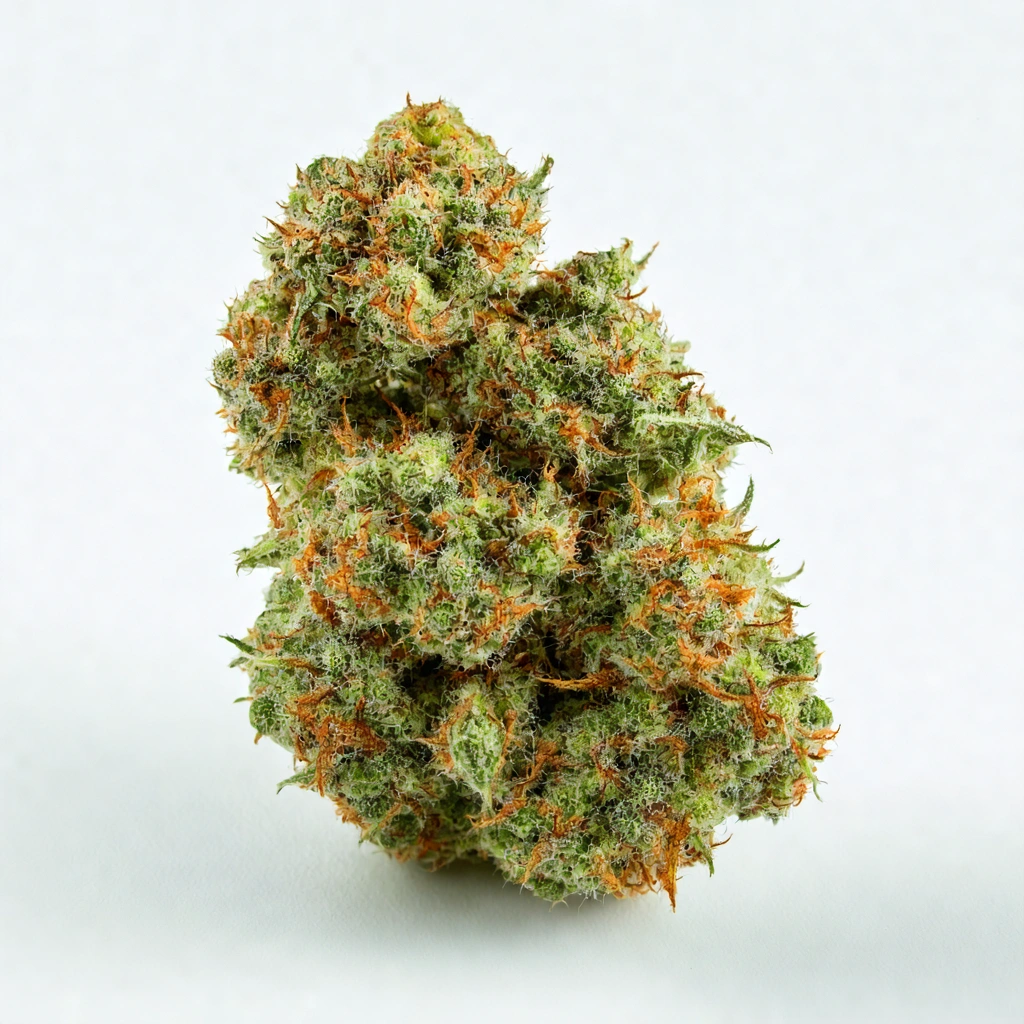
Snoop Dogg OG
Snoop Dogg OG
Also known as: Snoop Dogg OG Kush, Snoop's OG
What is the Snoop Dogg OG strain?
Snoop Dogg OG is a hybrid cannabis strain with up to 28.0% THC, known for its relaxed effects and citrus and diesel flavor profile.
Snoop Dogg OG is an indica-dominant hybrid strain (70% indica/30% sativa) named after the legendary rapper and cannabis enthusiast Snoop Dogg. This strain is believed to be a cross between Lemon OG and Sour Diesel, creating a potent cultivar that shares similarities with the iconic OG Kush in both aroma and bud structure. Originally bred by Dog Pound Genetics in collaboration with Madcat's Backyard Stash, Snoop Dogg OG emerged during the height of OG strain popularity in California dispensaries during the late 2000s and early 2010s. The strain features dense, spade-shaped dusty green nugs with minty green patches, adorned with thin twisty orange and amber hairs and a fine layer of white crystal trichomes. Its diesel aroma dominates with less prominent lemon notes, creating a pungent fuel-and-earth scent with citrus undertones. The strain's high THC content and complex terpene profile make it a favorite among both recreational users and medical patients seeking potent effects. Despite its celebrity namesake and popularity, detailed breeding information remains somewhat mysterious, contributing to its legendary status in cannabis culture.
What are the effects of Snoop Dogg OG?
What are the medical benefits of Snoop Dogg OG?
- Users report relief from chronic pain
- May help with muscle spasms and tension
- Often used for insomnia and sleep disorders
- Reported to aid with stress and anxiety
- May help with appetite loss and nausea
- Users report benefits for inflammation
This is not medical advice. Consult a healthcare professional.
What are the side effects of Snoop Dogg OG?
- 💧 Dry Mouth
- 👁️ Dry Eyes
- 💫 Dizziness
- Dry mouth
- Dry eyes
- Possible dizziness
- May cause anxiety in high doses
- Can be overwhelming for novice users
How do you grow Snoop Dogg OG?
Snoop Dogg OG requires intermediate to advanced cultivation expertise. The flowering time ranges from 6-9 weeks (42-75 days), with most sources citing 8-9 weeks as typical. Indoor yields can reach 450-550 grams per square meter (12-16 ounces), while outdoor plants may produce 16+ ounces per plant. The strain thrives in Mediterranean climates with temperatures between 20-26°C (68-79°F) and prefers low humidity during flowering to prevent mold. Both indoor and outdoor cultivation are suitable, with hydroponic systems potentially increasing potency by 15-20%. Environmental control is critical, requiring pH levels between 6.0-7.0 and optimal photoperiods of 18/6 during vegetative stage and 12/12 during flowering. Harvest typically occurs in late September to early October for outdoor grows in the Northern Hemisphere.
How should you use Snoop Dogg OG?
Snoop Dogg OG is a hybrid strain with 28.0% THC, which is considered high potency. As a hybrid, it offers versatility for both daytime and evening use.
Beginners
Start with 1-2 small inhalations or 2.5-5mg if using edibles. Wait 15 minutes before taking more. This strain is potent — start very low.
Regular Users
A standard session of 3-5 inhalations or 5-15mg edible dose. Effects typically onset within 5-15 minutes when inhaled, 30-90 minutes for edibles.
Experienced Users
Adjust to personal tolerance. At 28.0% THC, even experienced users should respect this strain's potency.
Start low and go slow. This is not medical advice — consult a healthcare professional before using cannabis.
What is the genetic lineage of Snoop Dogg OG?
What are Snoop Dogg OG's parent strains?
Frequently Asked Questions
How does Snoop Dogg OG make you feel?
Snoop Dogg OG is a hybrid strain that primarily produces relaxed effects, followed by hungry. Users report the dominant effect at 85% intensity. With 28.0% THC, this strain is considered potent and best suited for experienced users.
Is Snoop Dogg OG good for medical use?
Snoop Dogg OG has been reported by users for users report relief from chronic pain, may help with muscle spasms and tension, often used for insomnia and sleep disorders, reported to aid with stress and anxiety, may help with appetite loss and nausea, users report benefits for inflammation. As a hybrid, it offers a balanced profile that may work throughout the day.
This is not medical advice. Consult a healthcare professional.
Are there side effects with Snoop Dogg OG?
Some users have reported dry mouth, dry eyes, dizziness, dry mouth, dry eyes, possible dizziness, may cause anxiety in high doses, can be overwhelming for novice users when using Snoop Dogg OG. Starting with a low dose and staying hydrated can help minimize these effects.
What does Snoop Dogg OG taste and smell like?
Snoop Dogg OG features a flavor profile of citrus, diesel, earthy, lemon, pine, spicy. The dominant terpenes are Limonene and Myrcene, which contribute to its distinctive aroma.
What do users say about Snoop Dogg OG?
Log in to write a review.
No reviews yet. Be the first to review Snoop Dogg OG!
What does the research say about Snoop Dogg OG?
Snoop Dogg OG is a hybrid cannabis strain containing up to 28.0% THC, with a terpene profile dominated by Limonene and Myrcene. Below are authoritative resources for understanding the compounds in this strain.
Cannabinoid Information
Cannabis Regulations & Safety
What strains are similar to Snoop Dogg OG?
#1 Stunna
HybridTHC: 20.0% - 30.0%
#41 Zi
HybridTHC: Unknown
$.i.N.G
HybridTHC: 18.0% - 24.0%
'78 LA OG Affie
HybridTHC: 22.0% - 23.0%
'78 Skunk 'D' x Gorilla Grape
HybridTHC: Unknown
'78 Skunk 'M' x Gorilla Grape
HybridTHC: Unknown
'87 Firebird
HybridTHC: 18.0% - 23.0%
'98 Aloha White Widow
HybridTHC: 20.0% - 25.0%