Sour Cherry
Sour Cherry
Also known as: Sour Cherries, Chilled Cherries
What is the Sour Cherry strain?
Sour Cherry is a hybrid cannabis strain with up to 28.0% THC, known for its relaxed effects and berry and cherry flavor profile.
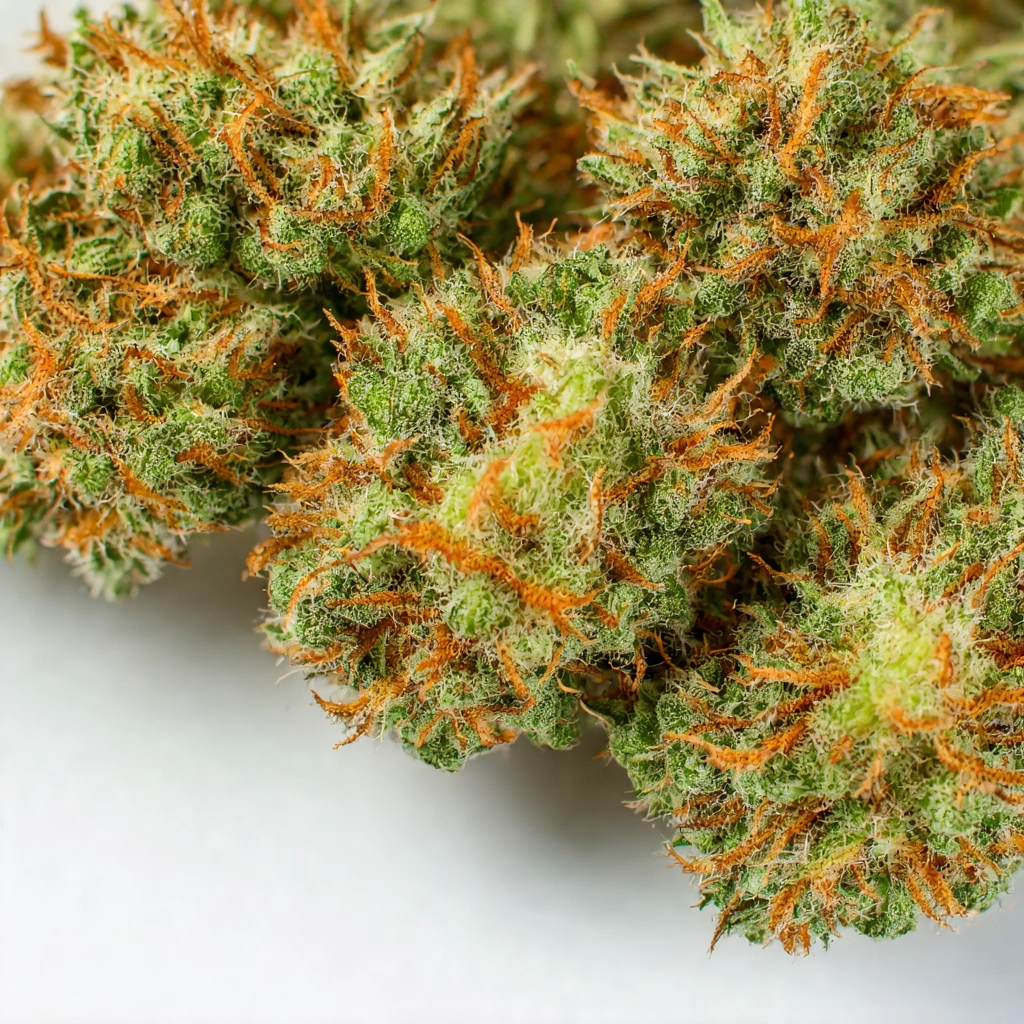
Sour Cherry is a hybrid cannabis strain created by crossing Cherry Pie and Sour Diesel, though multiple versions exist from different breeders including Breeders Boutique and TreeTown Seeds. The strain typically has an average THC content around 20%, though some phenotypes can reach up to 27-28% THC. Despite its name suggesting sweet fruity aromas, Sour Cherry is actually a pungent, diesel-smelling strain with sour notes rather than the sweet cherry aroma one might expect. Visually, Sour Cherry exhibits striking characteristics that set it apart from other strains, with dense, moderately sized buds often covered in a thick layer of resin that sparkles under light. The strain's genetics are approximately 60-80% sativa-dominant with 20-40% indica traits, designed to deliver both energizing cerebral effects and physically soothing experiences. The various phenotypes have established themselves among cannabis connoisseurs for their unique sensory profiles and balanced effects, making them versatile choices for both recreational and medicinal users.
What are the effects of Sour Cherry?
What are the medical benefits of Sour Cherry?
- Users often choose Sour Cherry when dealing with symptoms associated with chronic pain, depression, insomnia
- May help with alleviating pain due to terpene profile
- Users report it excels at cutting anxiety and improving mood
This is not medical advice. Consult a healthcare professional.
What are the side effects of Sour Cherry?
- 💧 Dry Mouth
- 👁️ Dry Eyes
- Dry mouth
- Dry eyes
- Possible paranoia and dizziness in some users
How do you grow Sour Cherry?
Flowering time is typically 8-9 weeks (56-70 days). Indoor heights reach 5-8 feet with yields of 17-21 oz/m² indoors and around 500 grams (17.6 oz) per plant outdoors. Some phenotypes can yield up to 600g/m² following roughly 63-68 days of flowering. The strain is moderately challenging to grow but highly rewarding when best practices are followed, requiring temperatures between 68-78°F (20-26°C) and relative humidity between 40-50% during flowering. The sativa-dominant genetics benefit from generous ventilation and space due to potential for tall growth, with techniques like low-stress training (LST) helping manage height and promote even light exposure.
How should you use Sour Cherry?
Sour Cherry is a hybrid strain with 28.0% THC, which is considered high potency. As a hybrid, it offers versatility for both daytime and evening use.
Beginners
Start with 1-2 small inhalations or 2.5-5mg if using edibles. Wait 15 minutes before taking more. This strain is potent — start very low.
Regular Users
A standard session of 3-5 inhalations or 5-15mg edible dose. Effects typically onset within 5-15 minutes when inhaled, 30-90 minutes for edibles.
Experienced Users
Adjust to personal tolerance. At 28.0% THC, even experienced users should respect this strain's potency.
Start low and go slow. This is not medical advice — consult a healthcare professional before using cannabis.
What is the genetic lineage of Sour Cherry?
What are Sour Cherry's parent strains?
Frequently Asked Questions
How does Sour Cherry make you feel?
Sour Cherry is a hybrid strain that primarily produces relaxed effects, followed by happy. Users report the dominant effect at 85% intensity. With 28.0% THC, this strain is considered potent and best suited for experienced users.
Is Sour Cherry good for medical use?
Sour Cherry has been reported by users for users often choose sour cherry when dealing with symptoms associated with chronic pain, depression, insomnia, may help with alleviating pain due to terpene profile, users report it excels at cutting anxiety and improving mood. As a hybrid, it offers a balanced profile that may work throughout the day.
This is not medical advice. Consult a healthcare professional.
Are there side effects with Sour Cherry?
Some users have reported dry mouth, dry eyes, dry mouth, dry eyes, possible paranoia and dizziness in some users when using Sour Cherry. Starting with a low dose and staying hydrated can help minimize these effects.
What does Sour Cherry taste and smell like?
Sour Cherry features a flavor profile of berry, cherry, diesel, lemon, lime, mint, sour. The dominant terpenes are Limonene and Myrcene, which contribute to its distinctive aroma.
What do users say about Sour Cherry?
Log in to write a review.
No reviews yet. Be the first to review Sour Cherry!
What does the research say about Sour Cherry?
Sour Cherry is a hybrid cannabis strain containing up to 28.0% THC, with a terpene profile dominated by Limonene and Myrcene. Below are authoritative resources for understanding the compounds in this strain.
Cannabinoid Information
Cannabis Regulations & Safety
What strains are similar to Sour Cherry?
#1 Stunna
HybridTHC: 20.0% - 30.0%
#41 Zi
HybridTHC: Unknown
$.i.N.G
HybridTHC: 18.0% - 24.0%
'78 LA OG Affie
HybridTHC: 22.0% - 23.0%
'78 Skunk 'D' x Gorilla Grape
HybridTHC: Unknown
'78 Skunk 'M' x Gorilla Grape
HybridTHC: Unknown
'87 Firebird
HybridTHC: 18.0% - 23.0%
'98 Aloha White Widow
HybridTHC: 20.0% - 25.0%